In the high-stakes world of premium smartphones, three brands have consistently vied for the crown: Apple’s iPhone, Samsung’s Galaxy S series, and Google’s Pixel lineup. Each brings its own unique design language, hardware innovations, software ecosystems, and camera prowess. Whether you’re a loyal follower of iOS, an Android purist, or somewhere in between, it can be tough to determine which flagship stands out as the best overall package. In this in-depth comparison, we’ll pit the latest marquee models—the iPhone 15 Pro Max, Samsung Galaxy S24 Ultra, and Google Pixel 8 Pro—against each other across every critical category. By the end, you’ll have a clear picture of which phone best aligns with your needs and preferences.
Design & Build Quality
iPhone 15 Pro Max
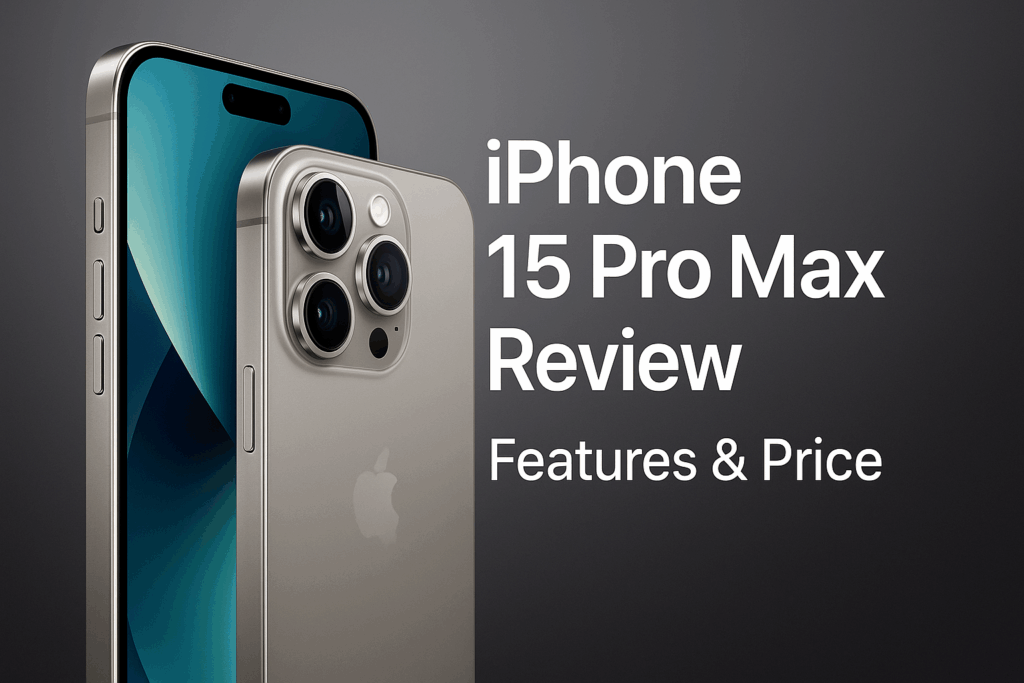
Apple refines its signature flat-edged design year after year. The iPhone 15 Pro Max features a surgical-grade titanium frame that’s both lighter and more scratch-resistant than previous stainless-steel models. Its matte glass back offers a premium, grippy feel, while the “Dynamic Island” notch houses Face ID sensors. With IP68 water and dust resistance, it can survive depths up to six meters for 30 minutes.
Galaxy S24 Ultra
Samsung leans into a sleek blend of titanium and “Gorilla Armor” on the S24 Ultra—its toughest display protection yet. The front and back are both flat, enhancing durability and simplifying repairs. The S-Pen slot returns for productivity fans. Weighing slightly under 232 g, it feels substantial yet balanced, with flush camera housing that prevents wobble on flat surfaces.
Pixel 8 Pro
Google’s Pixel 8 Pro presents a subtle departure from its predecessors: a polished aluminum frame capped with Gorilla Glass Victus 2 on both sides. Its matte-finish back features a continuous camera bar—an unmistakable Pixel signature. At 213 g and only 8.9 mm thick, it’s the slimmest and lightest of the three, making one-handed use more comfortable.
Display Technology
iPhone 15 Pro Max
- Size & Resolution: 6.7 in Super Retina XDR OLED, 2796 × 1290 px (460 ppi)
- Refresh Rate: ProMotion (10–120 Hz adaptive)
- Peak Brightness: 2,000 nits HDR, 1,000 nits typical
- Features: Always-On display, wide DCI-P3 color gamut, Ceramic Shield front
Apple’s display remains a benchmark for color accuracy and brightness. The adaptive 10–120 Hz refresh dynamically adjusts to content, conserving battery while ensuring silky-smooth scrolling.
Galaxy S24 Ultra
- Size & Resolution: 6.8 in Dynamic AMOLED 2X Quad HD+ (3120 × 1440 px, ~505 ppi)
- Refresh Rate: 1–120 Hz LTPO
- Peak Brightness: 3,000 nits peak (in outdoor mode)
- Features: HDR10+, Corning Gorilla Armor, Dynamic Tone Mapping
Samsung pushes peak brightness higher than anyone, ensuring outdoor legibility even under harsh sunlight. The quad HD+ resolution and advanced tone mapping deliver punchy contrast and deep blacks.
Pixel 8 Pro
- Size & Resolution: 6.7 in Super Actua LTPO OLED (2992 × 1344 px, 489 ppi)
- Refresh Rate: 1–120 Hz adaptive
- Peak Brightness: 2,400 nits peak (HDR)
- Features: Always-On, HDR10+, Gorilla Glass Victus 2
Google’s “Super Actua” panel is the brightest of the lot in HDR scenarios, and its high contrast ratio provides excellent detail in both highlights and shadows. Color tuning tends toward a more natural, less saturated look than Samsung.
Performance & Hardware
iPhone 15 Pro Max
Powered by Apple’s A17 Pro chip built on a 3 nm process, this SoC delivers class-leading single-core CPU performance and GPU throughput optimized for mobile gaming and professional workflows. With 8 GB of LPDDR5X RAM and NVMe-style storage up to 1 TB, nothing feels sluggish.
Galaxy S24 Ultra
Equipped with the Snapdragon 8 Gen 3 for Galaxy (4 nm), paired with up to 12 GB of LPDDR5X RAM, the S24 Ultra is a powerhouse for multitasking, AI-driven features, and 3D gaming. Samsung’s One UI optimizes performance modes for sustained frame rates in graphically demanding titles.
Pixel 8 Pro
Google’s Tensor G3 chip focuses heavily on AI and image processing, with a tri-cluster CPU and Mali-G715 GPU. Benchmarks show it slightly trailing Snapdragon flagships in raw GPU power, but Pixel shines in on-device AI tasks—real-time translation, voice transcription, and intelligent photo editing run exceptionally well. It ships with up to 12 GB RAM and UFS 3.1 storage.
Camera Systems
iPhone 15 Pro Max
- Main: 48 MP (f/1.78, 24 mm, OIS, 2× photo/e-zoom)
- Ultra-wide: 12 MP (f/2.2, 13 mm)
- Telephoto: 12 MP (f/2.8, 77 mm, 3× optical)
- Front: 12 MP TrueDepth (f/1.9)
- Video: ProRes up to 4K/30 fps, Cinematic mode (4K HDR), Action mode (stabilized)
Apple’s computational photography maintains its lead in color fidelity, skin tones, and video features. Cinematic and ProRes workflows are unmatched for creators.
Galaxy S24 Ultra
- Main: 200 MP (f/1.7, OIS)
- Ultra-wide: 12 MP (f/2.2)
- Telephoto #1: 50 MP periscope (f/3.4, 5× optical, OIS)
- Telephoto #2: 10 MP (f/2.4, 3× optical)
- Front: 12 MP (f/2.2)
- Video: 8K/24 fps, 4K/60 fps HDR10+, Director’s View, Magic Erasure
Samsung’s zoom versatility is the star—combining periscope and standard tele lenses covers 3× to 100× digital zoom gracefully. The 200 MP sensor resolves incredible detail in bright light, though images can look oversharpened if left in default modes.
Pixel 8 Pro
- Main: 50 MP Octa PD (f/1.68, OIS)
- Ultra-wide: 48 MP Quad PD (f/1.95)
- Telephoto: 48 MP Quad PD (f/2.8, 5× optical)
- Front: 10.5 MP (f/2.2)
- Video: 4K/60 fps, Auto Focus & Exposure, Audio Magic Eraser
Google’s AI-driven photography—Real Tone, Night Sight, and Best Take—produces consistently natural colors and excellent low-light results. The telephoto zoom is notably sharp, and software tools like Magic Eraser and Photo Unblur add creative flexibility.
Battery Life & Charging
iPhone 15 Pro Max
With a roughly 4,400 mAh battery (Apple doesn’t publish exact mAh), the iPhone achieves 12–13 hours of mixed-use runtime. Fast charging tops out at 20 W (50% in ~30 min), plus MagSafe wireless at 15 W and Qi charging at 7.5 W.
Galaxy S24 Ultra
The 5,000 mAh cell easily delivers 13–14 hours of real-world use. Samsung supports 45 W wired charging (0→65% in ~30 min), 15 W wireless, and 4.5 W reverse wireless for accessories.
Pixel 8 Pro
Google’s 5,050 mAh battery, aided by tight display and SoC optimization, runs 11–12 hours under mixed workloads. It charges at up to 30 W wired (0→50% in ~30 min), 23 W wireless, and supports reverse wireless charging.
Software & Long-Term Updates
iPhone 15 Pro Max
– OS: iOS 17 (upgradable to iOS 21+)
– Updates: 6–7 years major OS and security updates
– Ecosystem: Seamless integration with Mac, iPad, Apple Watch, AirPods, HomePod
Apple’s cohesive ecosystem and guaranteed multi-year support make it ideal for users invested in Apple hardware and services.
Galaxy S24 Ultra
– OS: One UI 6 (Android 14)
– Updates: 4 major Android OS + 5 years security updates
– Ecosystem: Works with Windows Link to Windows, Galaxy Watch, Galaxy Buds, SmartThings
Samsung now pledges long-term support that nearly matches Apple, plus unique features like S-Pen productivity and deep Windows interoperability.
Pixel 8 Pro
– OS: Stock Android 14 (upgradable to Android 21)
– Updates: 5 years OS + 7 years security updates
– Ecosystem: Google Home, Nest, Wear OS, Chromebook, Pixel Tablet
Pure Android and timely updates are Pixel’s hallmark. Google’s AI-driven features are first to arrive here, with prioritized security patches.
Unique Ecosystem Features
- Apple: Face ID biometric security, CarPlay, iMessage/FaceTime exclusivity, Spatial Audio, Health & Fitness integration.
- Samsung: S-Pen stylus functionality, Samsung DeX desktop mode, AI enhancements in Gallery/Keyboard, T-Satellite emergency messaging.
- Google: Generative AI in Gboard and Assistant, Live Translate across apps, Recorder with real-time transcription, Pixel Pass subscription bundle.
Pricing & Value
| Model | Base Storage | Launch Price (USD) | Today’s Street Price* |
|---|---|---|---|
| iPhone 15 Pro Max | 256 GB | $1,199 | $1,099 |
| Galaxy S24 Ultra | 256 GB | $1,199 | $1,049 |
| Pixel 8 Pro | 128 GB | $999 | $849 |
*Approximate market prices as of mid-2025, subject to carrier promotions and seasonal deals.
While all three command flagship pricing, Google’s Pixel 8 Pro undercuts by roughly $150, making it the most budget-friendly of the trio. Samsung and Apple often bundle trade-in credits, which can narrow differences further.
Conclusion: Which Should You Choose?
- Choose the iPhone 15 Pro Max if you prioritize absolute performance, ecosystem cohesion with Apple devices, and top-tier video capabilities.
- Choose the Galaxy S24 Ultra if you want the most versatile camera hardware (especially zoom), the brightest display in daylight, and S-Pen productivity.
- Choose the Pixel 8 Pro if you value on-device AI features, the cleanest Android experience with prolonged updates, and top-notch computational photography at the best price.
Ultimately, there’s no wrong choice—each flagship excels in its domain. Consider which combination of design, camera capabilities, software experience, and ecosystem aligns best with your lifestyle, and you’ll end up with a device that truly reigns supreme for you.