Whether you’re planning an upgrade or simply love keeping up with mobile tech, this comprehensive 2,000-word roundup breaks down what the top 2025 flagships do right—and where they still miss the mark. We’ll examine each major model in detail, comparing real advantages, overlooked issues, and who each device is best suited for.
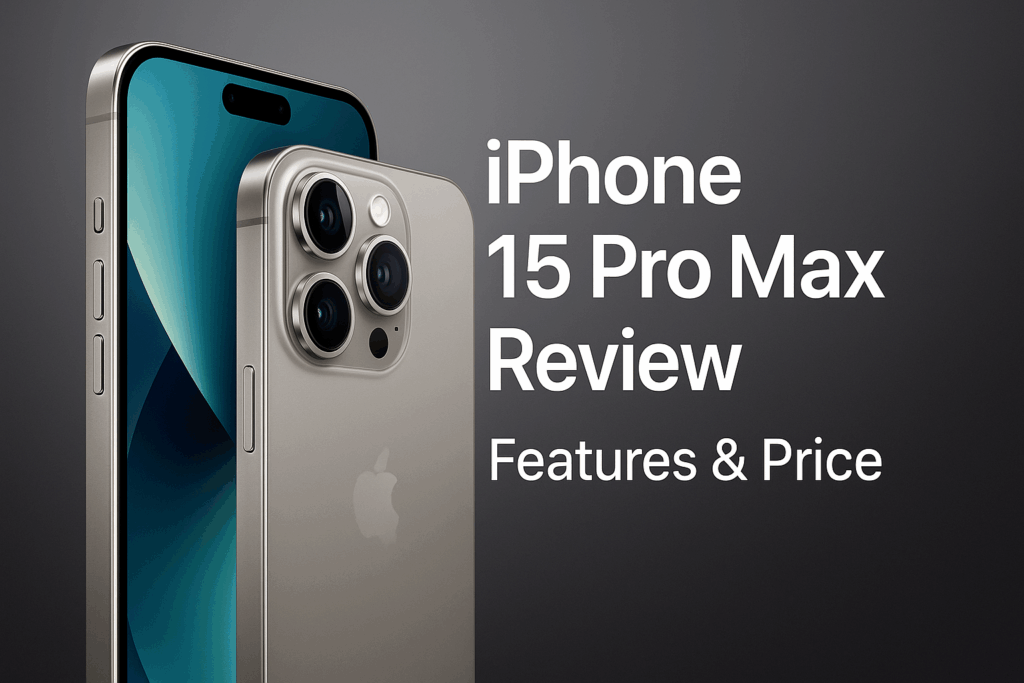
iPhone 16 Pro Max
The iPhone 16 Pro Max is Apple’s most advanced smartphone yet, blending cutting-edge performance with thoughtful software integration.
What It Gets Right
- A18 Pro chipset power delivers unmatched efficiency and thermal stability.
- Exceptional camera system with improved low-light performance and computational photography.
- World-class haptics thanks to the Taptic Engine.
- Top-tier build quality with a titanium frame and premium durability.
- iOS ecosystem synergy provides consistent updates and seamless device integration.
Where It Falls Short
- Charging speed remains slow compared to Android competitors.
- Limited customization for users who want more control.
- High cost makes it inaccessible to many users.
Best for: users in the Apple ecosystem who want the most polished smartphone experience possible.
Samsung Galaxy S25 Ultra
Samsung’s 2025 flagship continues its tradition of combining power, versatility, and innovation—especially in its display and camera systems.
What It Gets Right
- Dynamic AMOLED 2X display that remains unmatched in brightness and color accuracy.
- Next-gen camera system with high-resolution sensors and impressive zoom capabilities.
- S Pen support for productivity lovers.
- Improved battery efficiency with optimized Exynos/Snapdragon variants.
- Premium build with a strong aluminum frame.
Where It Falls Short
- Bulky and heavy compared to other flagships.
- One UI remains feature-rich but sometimes cluttered.
- High price point puts it firmly in the premium category.
Best for: power users, mobile photographers, and productivity-focused users who enjoy stylus functionality.
Google Pixel 9 Pro Fold
The Pixel 9 Pro Fold represents Google’s most polished foldable yet, combining AI innovation with lightweight foldable hardware.
What It Gets Right
- Best-in-class AI features powered by Tensor G4.
- Clean, intuitive Android experience.
- Excellent primary camera performance with advanced computational photography.
- Improved foldable durability with stronger hinge materials.
- Lightweight foldable design compared to competitors.
Where It Falls Short
- Battery life is average for a foldable.
- Tensor chips still lag behind Snapdragon in raw performance.
- Not ideal for heavy gaming.
Best for: users who love AI features, clean software, and foldable convenience.
OnePlus 13 Pro
OnePlus continues challenging the flagship leaders by offering impressive hardware paired with OxygenOS’s smooth performance.
What It Gets Right
- Outstanding haptics with a strong X-axis motor.
- Extremely fast charging outperforms most competitors.
- Responsive AMOLED display with high touch sampling rate.
- Clean and fast software experience with minimal bloatware.
- Lightweight design that’s comfortable for all-day use.
Where It Falls Short
- Camera still trails the top players like Samsung and Apple.
- Average video stabilization compared to competitors.
- Software updates are not as long-term as Apple or Samsung.
Best for: users who want speed, smoothness, and fast charging at a premium but competitive price.
ASUS ROG Phone 9
The ROG Phone 9 is 2025’s undisputed gaming champion. With unmatched performance and cooling, it delivers a top-tier gaming experience.
What It Gets Right
- Industry-leading cooling system with a vapor chamber and an optional external fan.
- 165Hz display with insane touch responsiveness.
- Massive battery life tailored for gaming sessions.
- Customizable AirTrigger shoulder controls.
- Loud dual front-facing speakers offering immersive audio.
Where It Falls Short
- Very bulky due to cooling hardware.
- Not ideal for photography or casual use due to gaming-oriented design.
- Limited water resistance compared to mainstream flagships.
Best for: mobile gamers and performance-focused users.
Xiaomi 15 Ultra
Xiaomi’s Ultra series is known for its camera dominance, and the 15 Ultra continues that legacy with professional-grade features.
What It Gets Right
- Top-tier Leica camera system with unmatched low-light performance.
- High-quality build with a ceramic back and a metal frame.
- Huge battery with both fast wired and wireless charging.
- Large vapor chamber cooling reduces thermal throttling.
- Excellent display with high brightness and color accuracy.
Where It Falls Short
- MIUI can feel bloated despite improvements.
- Availability is limited in some regions.
- The device is heavy due to the materials and the large battery.
Best for: mobile photographers and power users who want maximum hardware value.
Vivo X100 Pro+
Vivo’s flagship continues to impress with strong camera performance, especially in portrait and night photography.
What It Gets Right
- Exceptional Zeiss-enhanced camera with brilliant color science.
- Fantastic display suitable for media consumption.
- Strong performance with efficient cooling.
- Great fast charging for its size.
- Refined vibration motor for excellent haptics.
Where It Falls Short
- Software remains heavily skinned and takes time to adjust to.
- Not widely available globally.
- Battery life is only average for a device at this level.
Best for: photography lovers who want premium portrait and night mode performance.
Huawei P80 Pro
Despite limitations in some markets, Huawei continues to produce cutting-edge camera hardware and innovative technology.
What It Gets Right
- Incredible camera quality across photos and videos.
- Long battery life thanks to power-efficient chipsets.
- Premium industrial design that feels luxurious.
- Fast charging that competes with the best.
Where It Falls Short
- Lack of Google services limits features for international users.
- App compatibility issues in some regions.
- High pricing for many markets.
Best for: users in supported regions who prioritize camera performance and premium design.
Oppo Find X7 Pro
Oppo continues blending craftsmanship with cutting-edge features, positioning the Find X7 Pro as one of the most well-rounded flagships.
What It Gets Right
- Strong Hasselblad camera collaboration offering beautiful color processing.
- Excellent charging speeds, both wired and wireless.
- Refined design and build quality.
- Great performance with stabilized thermals.
- Beautiful curved display with high brightness.
Where It Falls Short
- ColorOS may feel heavy to users who prefer stock Android.
- Curved screens are prone to accidental touches.
- The camera is excellent, but not as consistent as the top-tier competitors.
Best for: users who want a stylish design, fast charging, and strong camera versatility.
Conclusion: Which Flagship Got It Right in 2025?
Every 2025 flagship shines in its own unique way. There’s no universal “best” smartphone—only the best for your needs. Apple leads in refinement and ecosystem value. Samsung dominates displays and versatility. Google pushes AI innovation. Xiaomi and Vivo continue delivering unbeatable hardware value. ASUS caters to gamers. Oppo and Huawei focus on advanced imaging and elegance.
The right choice depends on what you value most: performance, photography, battery life, gaming, ecosystem, or software experience. What’s clear is that 2025 has delivered some of the most impressive, well-rounded smartphones ever released—and no matter which one you choose, you’re getting cutting-edge mobile technology.
In the end, the perfect flagship isn’t the one with the most features—it’s the one that gets the details right for your lifestyle. And with so many strong contenders this year, finding the best phone for you is easier than ever.