For frequent travelers, digital nomads, and power users, juggling multiple numbers on one device is essential. Dual SIM smartphones allow you to use two phone numbers simultaneously—ideal for combining personal and work lines, switching between carriers for better coverage, or using local data plans while abroad. In 2025, manufacturers have perfected dual SIM implementations, offering hybrid and true dual SIM slots, eSIM support, and seamless network management.
In this comprehensive guide, we’ll explore the benefits of dual SIM phones, outline key criteria for choosing the best devices, and review the top contenders for travelers and power users. Whether you need blazing-fast data on one line and reliable voice on another, or simply want to keep business and personal communications separate, this article will help you find the perfect dual SIM phone.
Why Dual SIM Matters
Dual SIM capability goes beyond convenience. It unlocks practical advantages that cater to diverse usage scenarios:
- Cost Savings: Avoid roaming fees by using a local SIM card for data and calls, while retaining your home number for essential communications.
- Network Redundancy: Maintain connectivity by switching between carriers if one network is congested or has poor coverage.
- Work-Life Balance: Consolidate work and personal numbers on a single device, eliminating the need to carry multiple phones.
- Travel Flexibility: Preload local SIMs for different regions, enabling instant access to regional data plans without swapping physical cards.
- Enhanced Privacy: Use a secondary SIM for anonymous or temporary communications, protecting your primary number from spam.
These advantages make dual SIM phones a must-have for globetrotters, business professionals, and anyone who demands uninterrupted mobile connectivity.
Key Criteria for Selecting a Dual SIM Phone
Not all dual SIM implementations are created equal. When evaluating the best phones for travelers and power users, consider the following:
- SIM Slot Configuration: True dual SIM (two physical nano-SIM slots) vs. hybrid slot (one nano-SIM + one microSD or second nano-SIM) vs. eSIM support. True dual SIM and eSIM offer maximum flexibility without sacrificing storage.
- Carrier Compatibility: Global LTE and 5G band support ensures seamless connectivity in different regions. Check bands for major carriers in your travel destinations.
- Network Switching: Ease of toggling between SIMs for calls, messages, and data. Look for dedicated quick-switch options in settings or quick-toggle shortcuts.
- Data Management: Ability to assign mobile data to a specific SIM and set data limits or warnings for each line to avoid unexpected charges.
- Battery Life: Dual SIM usage can increase power draw. Large battery capacity and efficient power management are essential for all-day use.
- Performance & Features: Flagship-class processors, ample RAM, fast storage, and advanced features (e.g., high-refresh displays, multi-camera systems) ensure the phone meets all other user needs.
- Software Experience: Intuitive UI for dual SIM management, timely OS updates, and minimal bloatware enhance the overall experience.
- Durability & Build Quality: IP rating, robust materials, and ergonomic design are key for travelers dealing with varied environments.
Top Dual SIM Phones of 2025
Based on the criteria above, we identified the following standout dual SIM devices across Android and iOS platforms:
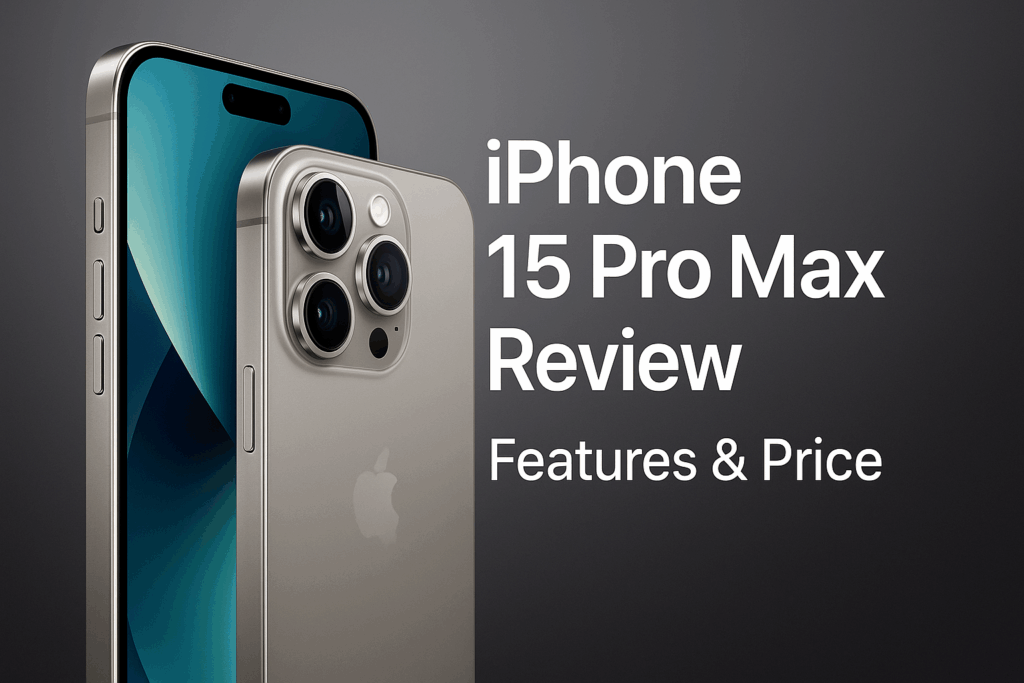
- Apple iPhone 15 Pro Max
- Samsung Galaxy S23 Ultra
- Google Pixel 8 Pro
- OnePlus 11 Pro
- Oppo Find X6 Pro
- Fairphone 5
1. Apple iPhone 15 Pro Max
SIM Configuration: Dual eSIM support (no physical SIM slots)
Key Specs:
- Display: 6.7″ Super Retina XDR OLED, 120 Hz
- Chipset: A17 Pro
- RAM: 8 GB
- Storage: 256 GB / 512 GB / 1 TB
- Battery: 4,400 mAh, 30W wired, 15W MagSafe wireless
- Connectivity: 5G Sub-6 + mmWave, Wi-Fi 6E, Bluetooth 5.3
- OS: iOS 17 with five years of updates
Why it stands out:
Apple’s shift to eSIM-only in the iPhone 15 Pro Max unlocks true dual SIM flexibility without the need for a secondary physical slot. Travelers can install up to eight eSIM profiles and switch instantly between networks. The A17 Pro’s power efficiency and iOS’s robust dual SIM management—allowing separate labels, ringtone assignments, and data priority—make this the premier choice for power users invested in the Apple ecosystem.
2. Samsung Galaxy S23 Ultra
SIM Configuration: Dual nano-SIM slots + eSIM support
Key Specs:
- Display: 6.8″ Dynamic AMOLED 2X, 120 Hz
- Chipset: Snapdragon 8 Gen 2 for Galaxy
- RAM: 12 GB / 16 GB
- Storage: 256 GB / 512 GB / 1 TB
- Battery: 5,000 mAh, 45W wired, 15W wireless
- Connectivity: 5G Sub-6 + mmWave, Wi-Fi 6E, Bluetooth 5.3
- OS: One UI 5 (Android 13) with four years OS + five years security updates
Why it stands out:
The S23 Ultra combines true dual SIM with eSIM for ultimate network flexibility. Samsung’s comprehensive global band support and advanced network switching make it ideal for frequent travelers. One UI’s dual SIM interface allows per-SIM call and SMS settings, as well as per-SIM data assignments. Its massive battery and flagship performance ensure uninterrupted use on the go.
3. Google Pixel 8 Pro
SIM Configuration: One nano-SIM + eSIM
Key Specs:
- Display: 6.7″ LTPO OLED, 120 Hz
- Chipset: Google Tensor G3
- RAM: 12 GB
- Storage: 128 GB / 256 GB / 512 GB
- Battery: 5,050 mAh, 27W wired, 23W wireless
- Connectivity: 5G Sub-6 + limited mmWave, Wi-Fi 7, Bluetooth 5.3
- OS: Android 14 with five years OS & security updates
Why it stands out:
Google Pixel 8 Pro’s hybrid approach marries the convenience of an eSIM with a physical slot for an international SIM. Pixel’s clean Android experience and built-in network management tools let users label SIMs, choose default lines for calls/data, and switch seamlessly. Tensor G3’s machine learning enhances network handovers and optimizes battery life during dual SIM operation.
4. OnePlus 11 Pro
SIM Configuration: Dual nano-SIM slots
Key Specs:
- Display: 6.7″ AMOLED, 120 Hz
- Chipset: Snapdragon 8 Gen 2
- RAM: 8 GB / 16 GB
- Storage: 128 GB / 256 GB / 512 GB
- Battery: 5,000 mAh, 100W wired, 50W wireless
- Connectivity: 5G Sub-6, Wi-Fi 7, Bluetooth 5.3
- OS: OxygenOS 13 (Android 13) with two years OS + three years security updates
Why it stands out:
OnePlus 11 Pro’s true dual SIM capability, combined with OxygenOS’s intuitive UI, makes managing two lines straightforward. Users can assign SIM preferences per contact and per app, while the 100W SUPERVOOC charging refuels both SIM-driven data sessions and battery-hungry applications in minutes. Its competitive price and flagship feature set deliver excellent value for travelers on a budget.
5. Oppo Find X6 Pro
SIM Configuration: Dual nano-SIM slots + eSIM support
Key Specs:
- Display: 6.82″ AMOLED, 120 Hz
- Chipset: Snapdragon 8 Gen 2
- RAM: 12 GB / 16 GB
- Storage: 256 GB / 512 GB
- Battery: 5,000 mAh, 80W wired, 50W wireless
- Connectivity: 5G Sub-6, Wi-Fi 7, Bluetooth 5.3
- OS: ColorOS 13 (Android 13) with three years OS + four years security updates
Why it stands out:
Oppo Find X6 Pro’s triple SIM support (two physical + eSIM) caters to users needing three active lines. ColorOS’s customizable dual SIM settings let you label and prioritize each line for voice, SMS, and data. Its flagship specs, long-lasting battery, and fast charging make it a powerhouse for remote workers and digital nomads.
6. Fairphone 5
SIM Configuration: Dual nano-SIM slots + hybrid microSD slot
Key Specs:
- Display: 6.3″ IPS LCD, 90 Hz
- Chipset: Snapdragon 7 Gen 3
- RAM: 8 GB
- Storage: 256 GB + microSD support
- Battery: 4,200 mAh removable
- Connectivity: 5G Sub-6, Wi-Fi 6, Bluetooth 5.3
- OS: Android 13 with three years OS + five years security updates
Why it stands out:
Fairphone 5’s modular design and replaceable battery make it a sustainable and repairable dual SIM option. Power users can carry a spare battery and runway local data and voice SIMs side by side without losing storage expandability. Its ethical supply chain and commitment to long-term updates align with the values of conscious travelers.
Comparison Table
| Phone | SIM Slots | eSIM | 5G Bands | Battery | Charging | OS Updates |
|---|---|---|---|---|---|---|
| iPhone 15 Pro Max | Dual eSIM | Yes (up to 8 profiles) | Global Sub-6 + mmWave | 4,400 mAh | 30W wired, 15W wireless | 5 years iOS & security |
| Galaxy S23 Ultra | 2 nano-SIM | Yes | Global Sub-6 + mmWave | 5,000 mAh | 45W wired, 15W wireless | 4 years OS, 5 years security |
| Pixel 8 Pro | 1 nano-SIM | Yes | Sub-6 + limited mmWave | 5,050 mAh | 27W wired, 23W wireless | 5 years Android & security |
| OnePlus 11 Pro | 2 nano-SIM | No | Sub-6 | 5,000 mAh | 100W wired, 50W wireless | 2 years OS, 3 years security |
| Oppo Find X6 Pro | 2 nano-SIM | Yes | Sub-6 | 5,000 mAh | 80W wired, 50W wireless | 3 years OS, 4 years security |
| Fairphone 5 | 2 nano-SIM | No | Sub-6 | 4,200 mAh removable | Quick Charge 4+ | 3 years OS, 5 years security |
Tips for Managing Dual SIM Usage
- Label Your SIMs: Assign clear names (e.g., “Home,” “Work,” “Travel”) in settings to avoid confusion when making calls or sending messages.
- Set Data Priority: Choose which SIM handles mobile data by default, and enable per-app data assignments if available.
- Use eSIM for Local Plans: Preload eSIM profiles from local carriers before traveling to avoid physical SIM swaps upon arrival.
- Monitor Data Usage: Track each SIM’s data consumption separately to prevent overage charges.
- Enable Airplane Mode Toggle: Quickly disable both SIMs in sensitive environments or during flights, then re-enable only the desired SIM.
- Leverage Call Forwarding: Forward calls from one SIM to the other when you know you won’t have coverage on your primary line.
Conclusion
Dual SIM phones have evolved into powerful tools for global connectivity, offering cost savings, network redundancy, and streamlined communication. The iPhone 15 Pro Max redefines flexibility with dual eSIM profiles, while the Galaxy S23 Ultra and Pixel 8 Pro blend true dual SIM hardware with seamless network management. Value-oriented models like OnePlus 11 Pro and Fairphone 5 cater to budget and ethical considerations without sacrificing core functionality, and the Oppo Find X6 Pro’s triple-SIM setup pushes the boundaries of multi-line support.
By evaluating SIM configurations, network compatibility, battery endurance, and software features, you can select the dual SIM phone that best suits your travel itinerary and professional demands. Equipped with the right device, you’ll enjoy uninterrupted connectivity, lower roaming fees, and the ability to manage multiple numbers effortlessly—all on a single, powerful smartphone.
Which dual SIM phone fits your needs? Share your experiences and recommendations in the comments below!