In the vibrant tech landscape of Lagos, the allure of a new flagship smartphone is powerful. Gleaming devices from global giants promise unparalleled speed, professional-grade cameras, and a certain status that is hard to ignore. We are drawn to the pinnacle of performance. Yet, a growing consciousness is taking hold, a question that whispers beneath the hype: what is the true cost of this relentless upgrade cycle? From the complex minerals mined for their components to the growing mountains of e-waste on the outskirts of our cities, the environmental price of our digital lives is becoming clearer. This has given rise to a new and important category of device: the eco-friendly smartphone.
For years, the term “eco-friendly” in the tech world was often synonymous with “compromise.” It meant accepting a slower processor, a mediocre camera, and a clunky design in the name of sustainability. But in 2025, that narrative is changing. Brands dedicated to sustainability are producing powerful, beautiful devices, while mainstream flagships are increasingly adopting greener materials. This blurs the lines and presents a compelling question for the Nigerian consumer: Can an eco-friendly smartphone, built on principles of repairability and ethical sourcing, genuinely compete with a traditional, power-focused flagship? It’s a battle not just of specs, but of philosophies, and the answer may surprise you. 🌱
What Defines an “Eco-Friendly” Phone in 2025?
To have a meaningful discussion, we must first understand that “eco-friendly” is more than a marketing buzzword. It represents a fundamental commitment to sustainability that touches every stage of a phone’s life. A truly green smartphone is graded on a holistic scorecard.
1. The Materials: Recycled and Responsibly Sourced
A sustainable phone minimizes its impact from the very beginning. This means a heavy reliance on recycled materials—like 100% recycled aluminum for the frame, recycled plastics for internal components and back panels, and even recycled rare earth elements in components like speakers. Beyond recycling, it means ethical sourcing for virgin materials, ensuring that minerals like cobalt, tin, and tungsten come from “conflict-free” mines that provide fair wages and safe working conditions.
2. The Design: Built for Longevity and Repair
This is perhaps the most crucial differentiator. The traditional flagship model often involves sealing components together with glue, making repairs difficult and expensive. An eco-friendly phone is designed with the **Right to Repair** in mind. This means using screws instead of glue, making key components like the battery, screen, and charging port modular and easily replaceable by the user or a local technician. This philosophy directly combats planned obsolescence, aiming to keep the phone in use for five, six, or even more years.
3. The Software: A Promise of Long-Term Support
A phone’s hardware is useless if its software is outdated and insecure. A key pillar of sustainability is providing long-term software support. Eco-conscious brands often commit to providing Android OS upgrades and, more importantly, security patches for a much longer period than the industry average, ensuring the device remains safe and functional for many years, thus delaying the need for a replacement.
The Flagship Compromise: The Hidden Costs of Peak Performance
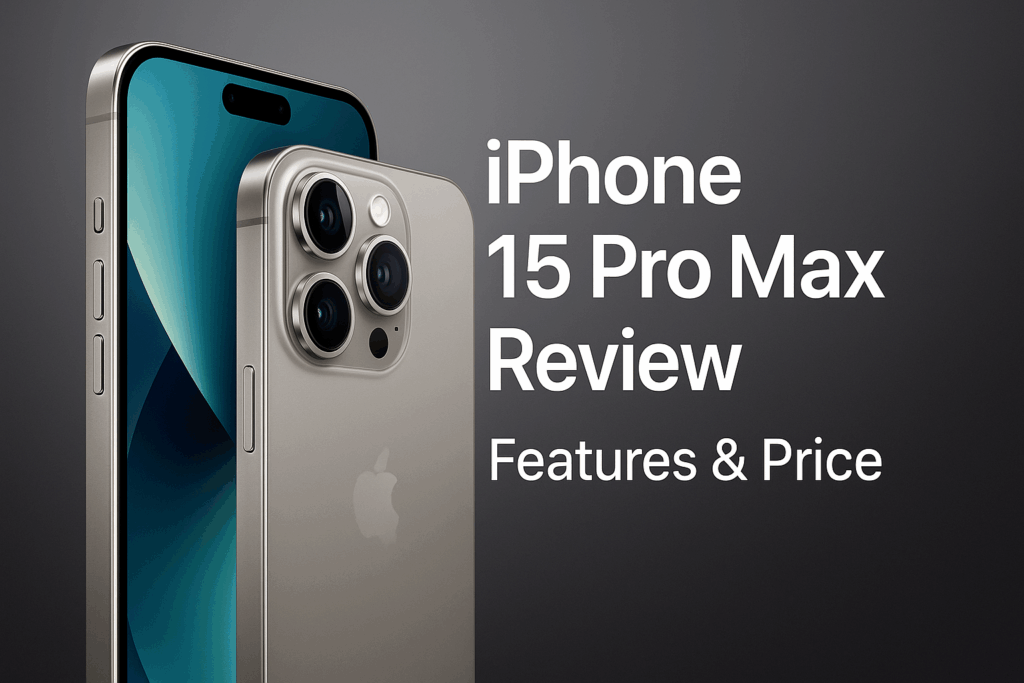
To understand where eco-phones can compete, we must be honest about the hidden costs of traditional flagships. While they offer the absolute peak of performance, this often comes with compromises in other areas. Their sealed, glass-sandwich designs, while beautiful, are notoriously difficult and expensive to repair. A simple cracked screen or a degraded battery can often lead to a repair bill that is a significant fraction of the phone’s original cost, especially in Nigeria where official parts and service can be costly. This high cost of repair actively discourages longevity and pushes consumers towards a faster upgrade cycle, contributing directly to the problem of e-waste. Their reliance on virgin materials and energy-intensive manufacturing processes also carries a heavy environmental toll.
The 2025 Eco-Contenders: A Closer Look
Let’s examine the brands leading the charge and their distinct philosophies.
Fairphone 6: The Champion of Repairability
Fairphone is the gold standard for ethical and repairable electronics. The Fairphone 6 continues this legacy with a fully modular design. Armed with a simple screwdriver, a user can replace the battery, display, USB-C port, and even the camera modules in a matter of minutes. For a user in Nigeria, this is a revolutionary concept. It democratizes repair, taking power away from expensive, centralized service centers and putting it in the hands of the user and the vast network of skilled local technicians in places like Computer Village. A broken screen is no longer a potential disaster; it’s an affordable and straightforward fix. While its processor is a capable mid-ranger rather than a top-tier flagship chip, Fairphone’s entire philosophy is built on the idea that a phone you can use for seven years is a better investment than a phone that is fractionally faster for just two.
Samsung’s Eco-Conscious Efforts: The Mainstream Compromise
Mainstream giants are feeling the pressure, and Samsung has been a leader in incorporating sustainable practices. Their 2025 flagships, like the Galaxy S25, and mid-rangers, like the A-series, now prominently feature components made from recycled ocean-bound plastics, recycled aluminum, and recycled glass. Their packaging is almost entirely plastic-free. Furthermore, their industry-leading promise of seven years of software updates for flagship devices is a massive step towards promoting longevity. While these devices are not user-repairable in the same way as a Fairphone, these efforts represent a significant and positive shift from a major market leader.
Head-to-Head: Where Do Eco-Phones Win and Lose?
So, can an eco-friendly phone truly compete with a traditional flagship? Let’s break it down.
Performance: In raw, benchmark-topping performance for tasks like high-end gaming, a dedicated flagship like a Samsung Galaxy S25 Ultra or an iPhone 17 Pro will almost always win. They use the most powerful, and often most power-hungry, chips available. However, a high-end eco-phone like the Fairphone 6 uses a premium mid-range processor that is more than capable of providing a smooth, lag-free experience for 95% of daily tasks.
Verdict: Flagships win on peak performance, but eco-phones offer excellent and efficient everyday speed.
Main Camera Quality: The gap is closing fast. With many eco-phones now using high-quality Sony sensors and benefiting from the powerful image processing of modern chips, the quality of photos from the main camera in good lighting is often indistinguishable from that of a top-tier flagship.
Verdict: A near tie for the main camera.
Camera Versatility: This is where flagships maintain a clear lead. The complex periscope telephoto lenses that allow for incredible 5x or 10x optical zoom are expensive components that are typically sacrificed in eco-friendly designs that prioritize repairability and cost-effectiveness.
Verdict: Flagships win on camera versatility, especially zoom.
Repairability: This is a landslide victory for the eco-phones. The ability to replace a battery for a small fraction of the phone’s cost, or to swap a cracked screen at home, is a feature that traditional flagships simply cannot offer. For a user in Nigeria, this can translate into hundreds of thousands of Naira saved over the phone’s lifespan.
Verdict: Eco-phones win, and it’s not even close. 🛠️
Long-Term Cost of Ownership: When you factor in the lower initial purchase price of many eco-phones and the drastically lower cost of potential repairs, the total cost of owning the device over five years can be significantly less than that of a traditional flagship.
Verdict: Eco-phones often win on long-term value.
Status and Prestige: Let’s be honest. In a style-conscious city like Lagos, pulling out the latest, sleekest flagship is a statement. Eco-friendly phones, with their often more functional designs, may not carry the same level of traditional prestige.
Verdict: Flagships win on conventional status, but owning an eco-phone is a different kind of statement about your values.
Conclusion: Redefining “Premium” for a New Generation
So, can eco-friendly smartphones compete with flagships in 2025? The answer is a resounding yes. They are not just competing; they are changing the very definition of what a “premium” smartphone should be. The conversation is shifting. Is a premium device one that is sealed shut and designed to be replaced in two years, or is it one that is built to last, to be repaired, and to respect both the user’s investment and the planet?
For the Nigerian consumer, an eco-friendly phone offers a surprisingly practical and powerful value proposition. It champions a culture of repair and resourcefulness that is already deeply ingrained in our society. It promises a lower total cost of ownership and freedom from the anxiety of expensive and difficult repairs. While you might sacrifice the absolute cutting edge of gaming performance or the longest telephoto zoom, you gain something far more valuable: a reliable, long-lasting, and responsible piece of technology. In 2025, choosing an eco-friendly smartphone is no longer a compromise; it’s one of the smartest investments you can make.