High-quality haptics make every interaction feel more tactile and satisfying. Meanwhile, an ultra-responsive touch panel can elevate everything—from gaming to typing to browsing—making your phone feel fast, fluid, and incredibly precise. The best smartphones combine these two factors with advanced vibration motors, high-refresh-rate displays, and optimized software algorithms to deliver a premium user experience.
In this detailed 2,000-word guide, we explore the top 10 phones with the best haptics and touch response. Whether you’re a gamer, a productivity-focused user, or someone who simply enjoys a more satisfying feel when interacting with your phone, this list will help you choose your next device with confidence.
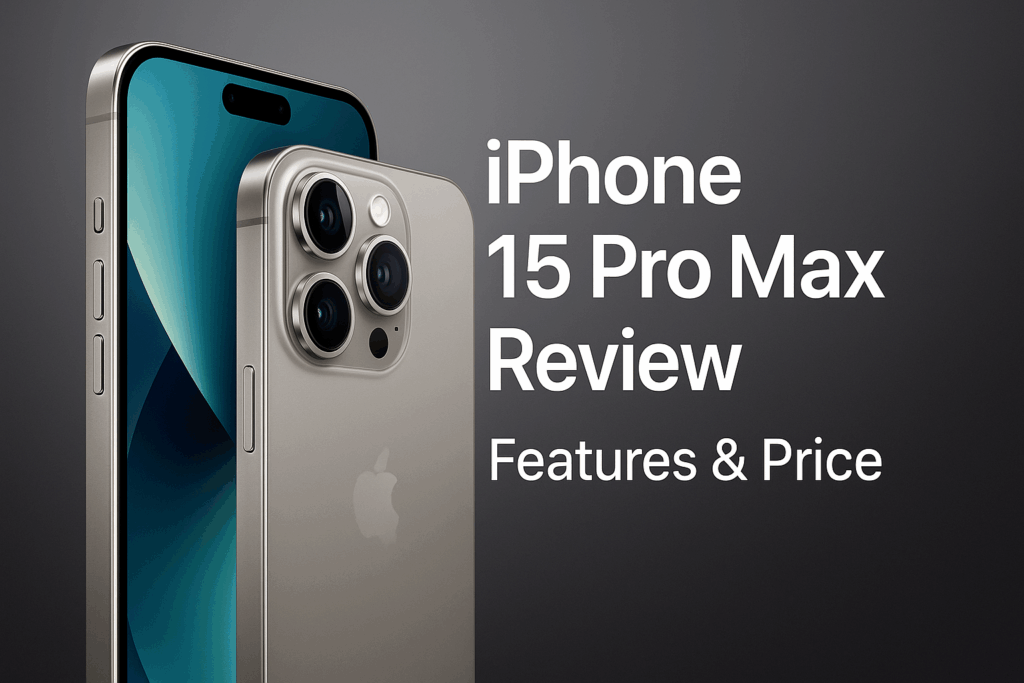
1. Apple iPhone 15 Pro and iPhone 15 Pro Max
The iPhone 15 Pro lineup continues Apple’s dominance in haptics, thanks to the industry-leading Taptic Engine. This motor delivers precise, sharp, and consistent feedback that no other brand has fully matched. Everything from typing on the virtual keyboard to interacting with system gestures feels polished and carefully tuned.
What sets the iPhone apart isn’t just hardware—it’s Apple’s deep integration of haptics into the operating system. iOS uses haptic cues to enhance navigation, notifications, Live Photos, and even subtle UI animations, making the entire interface feel more “alive.”
The touch response is equally impressive. With a 120Hz ProMotion display and adaptive touch algorithms, the screen reacts instantly to input, providing exceptional accuracy for gaming and productivity tasks.
2. Google Pixel 9 Pro
Google’s Pixel 9 Pro is one of the strongest performers in haptics, thanks to the upgraded linear motor specifically calibrated for Android’s Material You interface. The feedback is soft yet precise, allowing gestures and interactions to feel natural and responsive.
Touch response is another highlight. With the Tensor G4 optimizations and a highly responsive 120Hz LTPO display, the Pixel 9 Pro delivers exceptional accuracy in gaming and smooth scrolling throughout the UI.
Google has also integrated contextual haptics into notifications, system animations, and app interactions, adding depth to the overall experience.
3. Samsung Galaxy S24 Ultra
The Galaxy S24 Ultra features one of Samsung’s best haptic motors to date—a significant improvement over older Galaxy devices, which were criticized for weak vibrations. The new linear actuator produces crisp and consistent vibration feedback that feels premium and well-defined.
Touch response on the S24 Ultra is also top-tier. Samsung’s high refresh rate display (120Hz) combined with its AI-enhanced responsiveness ensures minimal input delay. Gamers will appreciate the ultra-low latency, while everyday users enjoy fluid, buttery smooth navigation.
Samsung has also improved haptic integration at the system level, adding subtle vibrations to gestures, menus, and interactions in One UI.
4. OnePlus 12
OnePlus has long prioritized haptics, and the OnePlus 12 features one of the strongest and clearest X-axis linear motors on the market. The vibration feedback is powerful yet controlled, offering an extremely satisfying typing experience.
The company’s OxygenOS software complements this hardware with detailed haptic tuning across animations, notifications, and gestures. The touch response is insanely fast thanks to the 120Hz display and advanced touch sampling rates designed for gamers.
For Android users who value strong haptics, OnePlus continues to set the bar high.
5. Xiaomi 14 Ultra
Xiaomi’s flagship devices have consistently impressed with their haptics, and the Xiaomi 14 Ultra is no exception. Featuring a next-generation haptic motor, the device gives crisp, accurate feedback that enhances gaming, typing, and general UI interactions.
Touch responsiveness is also exceptional. The display features an ultra-high touch sampling rate, making it ideal for competitive mobile gaming where reaction time is critical.
Xiaomi’s MIUI software uses haptics in subtle but thoughtful ways, creating an immersive tactile experience across notifications and menus.
6. Sony Xperia 1 VI
Sony’s Xperia series continues to serve a niche audience, but its dedication to strong haptics and touch precision deserves recognition. The Xperia 1 VI features an extremely refined vibration motor, producing a soft but detailed tactile response that feels precise rather than aggressive.
Touch response is enhanced by Sony’s high-refresh-rate OLED panel and excellent calibration. The screen’s tall aspect ratio and multitasking optimizations benefit greatly from responsive input accuracy.
Sony also integrates haptics into its multimedia features, especially gaming and video playback, for a more immersive experience.
7. ASUS ROG Phone 8 Pro
For gamers, the ASUS ROG Phone 8 Pro is one of the best devices you can buy for haptics and touch response. The phone uses an advanced X-axis linear motor specifically tuned for gaming vibrations, allowing precise tactile feedback in competitive titles.
Touch response is where the device truly shines. With industry-leading touch sampling rates and a 165Hz display, the ROG Phone 8 Pro offers some of the fastest input recognition available. Whether you’re tapping, swiping, or performing complex gestures, the device keeps up flawlessly.
ASUS further enhances the gaming experience with AirTrigger controls and advanced vibration intensity customization.
8. iPhone 14 Pro Max
Although not the latest model, the iPhone 14 Pro Max remains one of the best phones for haptics and touch response. The Taptic Engine in this device delivers the same class-leading precision and consistency found in newer models.
Touch response on the Super Retina XDR display feels incredibly fluid thanks to Apple’s ProMotion technology and tight integration between hardware and software.
Even years after its release, the iPhone 14 Pro Max still outperforms many current Android flagships in system-level haptic tuning.
9. Google Pixel 8 Pro
The Pixel 8 Pro delivers excellent haptics that feel natural and intelligently tuned to Android’s interface. While not as powerful as OnePlus or Samsung’s newest motors, the Pixel’s haptics offer precision and subtlety that some users prefer.
The 120Hz LTPO display ensures smooth touch response, and Google’s adaptive touch software helps maintain accuracy across different temperatures and environments.
For those who value clean software combined with polished haptics, the Pixel 8 Pro remains a great choice.
10. Vivo X100 Pro
Vivo has made tremendous progress over the years, and the X100 Pro showcases one of the company’s best vibration motors yet. The haptics are tight, responsive, and surprisingly refined, rivaling many high-end competitors.
The touch response is equally impressive, thanks to Vivo’s ultra-fast touch sampling rate and smooth AMOLED display. The device feels incredibly responsive in gaming, multitasking, and everyday navigation.
Vivo’s software also uses haptic cues to enhance animations and gesture controls.
Why Haptics and Touch Response Matter More Than You Think
Most users evaluate smartphones based on performance, camera quality, battery life, or display features. But haptics and touch response are foundational to how a phone feels. A fast processor or beautiful display is meaningless if the device feels sluggish or unresponsive during interaction.
High-quality haptics deliver:
- More satisfying typing
- Better tactile confirmation during gestures
- Enhanced immersion in games
- More intuitive navigation
Meanwhile, superior touch response ensures:
- Lower latency in gaming
- Smoother scrolling and UI navigation
- Faster reaction times for gestures
- Greater accuracy when typing or editing
These subtle features collectively shape the user experience more than most people realize.
How Manufacturers Improve Haptics
Modern smartphones use advanced motors designed to deliver different styles of vibration. The most common types include:
- X-axis linear motors: Crisp, precise, widely used in flagships.
- Z-axis motors: More common in budget phones but less precise.
- Rotary vibration motors: Older, less accurate technology.
The best smartphones use large linear motors that produce strong, sharp vibrations, offering superior performance for typing, gaming, and UI feedback.
What Affects Touch Response?
Several factors influence how responsive a touchscreen feels:
- Touch sampling rate: How often the device registers touch input.
- Display refresh rate: Higher refresh rates reduce visual input lag.
- Software optimization: Faster touch-to-display pipeline.
- Processor performance: Reduces latency in processing input.
Devices with high touch sampling rates (240Hz to 1000Hz) and 120Hz or higher refresh rates typically deliver the smoothest experiences.
Conclusion: The Best Phones for Haptics and Touch in 2025
Haptics and touch response significantly impact how a smartphone feels, even though they’re often overlooked. The top performers—like the iPhone 15 Pro, Pixel 9 Pro, and Galaxy S24 Ultra—offer a premium tactile experience that enhances daily usability, gaming performance, and overall satisfaction.
If you’re upgrading this year and want the most responsive and satisfying interactions, choose any phone from this list based on your ecosystem preference and budget. These devices offer the most polished, immersive, and fluid user experiences available today, proving that haptics and touch response are just as important as speed, cameras, or battery life.
No matter which smartphone you choose, prioritizing haptics and touch response will ensure your device feels premium every time you pick it up.