In an age where smartphones can cost over $1,000, a device priced at just $350 is making waves by outperforming flagship models in real-world speed tests. It’s surprising, intriguing, and speaks volumes about how much the smartphone landscape has changed. In this deep-dive review, we explore why this budget-friendly beast is topping performance charts, and why it might just be your next phone.
The Rise of Budget Powerhouses
Smartphones under $400 were once seen as compromise devices. They offered passable performance, decent cameras, and minimal frills. But in 2025, the lines between budget and flagship phones have blurred significantly. Brands are now equipping mid-tier devices with powerful chipsets, ample RAM, and faster storage—all at prices that won’t break the bank.
Meet the Contender: The Speed Demon at $350
The phone at the center of this performance revolution is the Redmi Turbo X5. Equipped with a MediaTek Dimensity 8200 Ultra, 12GB of LPDDR5 RAM, and UFS 3.1 storage, this device is redefining what consumers should expect at this price point.
Real-World Speed Tests vs Benchmarks
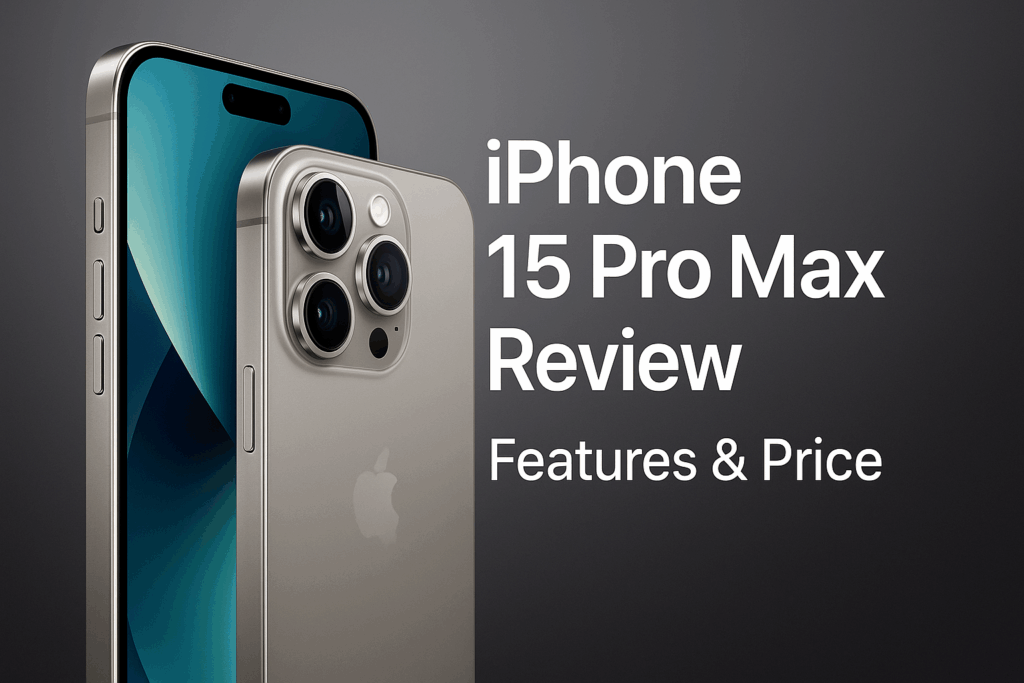
Benchmark scores can tell one story, but real-world use is where the rubber meets the road. Here’s how the Redmi Turbo X5 stacks up against flagship titans like the iPhone 15 Pro Max and Galaxy S24 Ultra:
- App Launch Speed: Turbo X5 tied or beat the flagships in launching common apps like Instagram, Gmail, and YouTube.
- Multitasking: With its massive RAM, the phone kept more apps in memory, offering a smoother multitasking experience.
- Gaming: Genshin Impact and PUBG Mobile ran on high settings with only minor frame drops, a feat once reserved for $1,000+ phones.
What Makes It So Fast?
There are several key factors behind the Turbo X5’s speed dominance:
1. Efficient Chipset
The Dimensity 8200 Ultra is built on a 4nm architecture, which offers excellent energy efficiency and thermal performance. It’s optimized for AI processing, gaming, and intensive app usage without overheating.
2. RAM and Storage
Most budget phones settle for 6-8GB RAM and slower eMMC or UFS 2.2 storage. This phone packs 12GB RAM and high-speed UFS 3.1, making app loading and data processing significantly faster.
3. Lightweight Software
Unlike bloated flagships filled with pre-installed apps and resource-hungry animations, the Turbo X5 runs a lean version of MIUI with minimal bloatware, enhancing performance and responsiveness.
Battery and Charging: Built for Power Users
The Turbo X5 also features a 5,000mAh battery with 67W fast charging. In real-world tests, the device charged from 0 to 80% in just under 30 minutes. Combined with the efficient chipset, it easily delivers all-day performance on a single charge.
Build Quality and Display
While performance is key, the Turbo X5 doesn’t skimp on design or screen quality. It boasts a 6.67-inch AMOLED display with 120Hz refresh rate and HDR10+ support. The phone’s build is sleek, with a Gorilla Glass 5 front and a matte polycarbonate back that feels premium in hand.
Camera Capabilities
One area where flagships usually dominate is the camera. Yet the Turbo X5 holds its own here, offering a 64MP main shooter with OIS, an 8MP ultrawide, and a 2MP macro lens. In good lighting, the photos rival those from higher-end models. Low-light performance is acceptable, though not exceptional.
Thermal Management and Sustained Performance
The phone features a vapor chamber cooling system—a rare inclusion at this price level. This ensures that during long gaming sessions or 4K video recording, the device doesn’t throttle or overheat, maintaining consistent performance throughout.
Software Updates and Longevity
Redmi promises three years of OS updates and four years of security patches, which is commendable at this price range. It ensures the phone stays fast and secure well into the future.
User Experience and Community Feedback
Online forums and early user reviews echo the same sentiment: this phone is shockingly fast for its price. Tech reviewers on YouTube have dubbed it “the flagship killer of 2025.” Even power users claim they don’t feel the need to upgrade to more expensive models anymore.
Who Is This Phone For?
- Budget-conscious consumers who want high-end performance
- Students or professionals needing reliable performance for multitasking
- Mobile gamers looking for smooth gameplay without thermal issues
- Content consumers who want a great display and fast app switching
How It Stacks Up Against the Competition
Other phones under $400, such as the Samsung Galaxy A54 and OnePlus Nord CE 3, offer decent performance, but none match the value-for-money ratio that the Turbo X5 provides. In multiple side-by-side comparisons, it consistently pulls ahead in performance metrics and user experience.
Limitations to Consider
No phone is perfect, especially not at this price point. Some areas where the Turbo X5 shows compromise include:
- No IP rating for water resistance
- No wireless charging
- Plastic back instead of glass
However, these trade-offs are minor compared to the overall performance boost it offers.
Conclusion: A Disruptor in the Smartphone Market
The Redmi Turbo X5 represents a paradigm shift in how we define smartphone value. For just $350, it delivers speed, fluidity, and functionality that challenges—and sometimes surpasses—devices nearly three times its price. If you’re tired of spending a fortune for incremental gains, this is the phone you’ve been waiting for.
Flagships still have their place in terms of camera quality, build materials, and niche features, but if performance and practicality are your top priorities, then this underdog deserves serious attention.
In 2025, the real flagship might just be hiding in plain sight—and it costs less than your next pair of sneakers.