The world of wireless technology is constantly evolving, with each new Wi-Fi standard promising faster speeds, lower latency, and greater efficiency. The latest iteration, Wi-Fi 7 (802.11be, also known as Extremely High Throughput or EHT), is now beginning to appear in cutting-edge devices – from flagship smartphones and laptops to new routers. It boasts theoretical speeds up to 46 Gbps, revolutionary multi-link operation (MLO), and enhanced spectral efficiency. But for the average Nigerian consumer or business, is Wi-Fi 7 a genuine game-changer, or is it merely expensive hype that won’t deliver tangible benefits in the current landscape?
The answer, as with most bleeding-edge technology in an emerging market, is nuanced. Nigeria’s internet infrastructure, while improving, still presents unique challenges. Issues like inconsistent power supply, varying ISP quality, and the cost of new technology all play a significant role in determining whether a new standard like Wi-Fi 7 will truly revolutionize connectivity or remain a niche luxury.
This article dives deep into the realities of Wi-Fi 7’s arrival in Nigeria. We’ll break down what Wi-Fi 7 offers, how it differs from Wi-Fi 6E, and critically, how these advanced features translate (or fail to translate) into real-world benefits given Nigeria’s current internet ecosystem. We’ll explore whether investing in Wi-Fi 7-compatible devices and routers now makes financial and practical sense, or if it’s wiser to wait for the infrastructure to catch up. Get ready to cut through the hype and understand if Wi-Fi 7 is indeed the future of Nigerian connectivity or just an expensive piece of tomorrow you can’t use today. 🚀📡
What is Wi-Fi 7 and What Does It Promise?
Wi-Fi 7 is the latest generation of Wi-Fi, building upon Wi-Fi 6 (802.11ax) and Wi-Fi 6E (which introduced the 6GHz band). Its primary goals are to deliver:
- Extremely High Throughput (EHT): Theoretical peak speeds of up to 46 Gbps, significantly faster than Wi-Fi 6E’s 9.6 Gbps.
- Multi-Link Operation (MLO): This is a key innovation. MLO allows devices to send and receive data simultaneously across multiple frequency bands (2.4 GHz, 5 GHz, and 6 GHz) and channels. Imagine it like a multi-lane highway where your data can switch lanes or use multiple lanes at once for faster, more reliable transmission.
- Wider Channels: Supports channel widths up to 320 MHz (double Wi-Fi 6E’s 160 MHz), allowing for more data to be transmitted at once.
- 4096-QAM (Quadrature Amplitude Modulation): A more efficient way to encode data, packing more information into each signal, leading to higher speeds.
- Improved OFDMA: Enhancements to Orthogonal Frequency Division Multiple Access for better efficiency in congested environments.
- Preamble Puncturing: Allows devices to “puncture” (avoid) narrow interference in a wide channel, utilizing the rest of the channel effectively rather than having to drop to a smaller, slower channel.
The Vision: Wi-Fi 7 is designed to handle the most demanding applications of the future: 8K video streaming, high-fidelity VR/AR, cloud gaming, real-time collaboration, and the explosion of smart home devices, all with ultra-low latency.
The Nigerian Reality Check: Infrastructure vs. Innovation
Now, let’s bring Wi-Fi 7’s promises back down to earth and see how they align with the current state of internet connectivity in Nigeria.
1. Internet Service Provider (ISP) Speeds:
- Wi-Fi 7 Promise: Up to 46 Gbps.
- Nigerian Reality: Most home and small business internet subscriptions in Nigeria offer speeds ranging from 10 Mbps to 500 Mbps. Even premium fiber optic plans rarely exceed 1 Gbps (1000 Mbps) for the average consumer.
- Impact: If your internet connection from your ISP is, for example, 100 Mbps, your Wi-Fi 7 router will still only deliver a maximum of 100 Mbps to your device, regardless of its theoretical multi-gigabit capability. The bottleneck is the internet coming into your home, not the wireless link within your home.
- Verdict: Massive bottleneck. The vast majority of Nigerian internet users will not experience Wi-Fi 7’s headline speeds externally.
2. Local Network Usage & Internal Bottlenecks:
- Wi-Fi 7 Promise: Faster local file transfers, smoother internal streaming between devices.
- Nigerian Reality: This is where Wi-Fi 7 could theoretically offer some benefit. If you regularly transfer large files between devices on your local network (e.g., from a powerful PC to a network-attached storage (NAS) device, or streaming high-bitrate media from a local server to an 8K TV), Wi-Fi 7’s MLO and wider channels could provide faster internal speeds.
- Impact: However, how many Nigerian homes or small businesses actually do this with enough frequency or data volume to justify the upgrade? Most local network traffic (e.g., sharing documents, streaming Netflix from a phone to a smart TV) can be handled perfectly well by Wi-Fi 5 or Wi-Fi 6.
- Verdict: Niche benefit. Only a very small percentage of users will genuinely push these internal bandwidth limits.
3. Cost of Wi-Fi 7 Hardware:
- Wi-Fi 7 Promise: Cutting-edge technology.
- Nigerian Reality: New Wi-Fi 7 routers are significantly more expensive than Wi-Fi 6/6E models. Flagship Wi-Fi 7 routers can cost upwards of ₦300,000 to ₦600,000+. Wi-Fi 7 compatible client devices (smartphones, laptops) are also typically premium models.
- Impact: This high entry cost is a major barrier for the average Nigerian consumer, especially when the tangible benefits are limited by ISP speeds. Investing such a large amount in a router that won’t be fully utilized is a poor financial decision for most.
- Verdict: Prohibitively expensive. The cost-benefit ratio is currently very low.
4. 6GHz Band Availability & Congestion:
- Wi-Fi 7 Promise: Utilizes the uncrowded 6GHz band (like Wi-Fi 6E) for clean, fast connections.
- Nigerian Reality: While the 6GHz band is indeed less congested than 2.4GHz and 5GHz, its short range and poor wall penetration are significant. In many Nigerian homes with concrete walls, the 6GHz signal might struggle to reach beyond a single room. Furthermore, regulatory approval for widespread 6GHz use can vary.
- Impact: You might not get the full benefits of the 6GHz band if your devices aren’t in the same room as the router, forcing them back to the more congested 5GHz or 2.4GHz bands.
- Verdict: Limited practical range. The clean spectrum is good, but physics dictates its reach.
5. Device Compatibility:
- Wi-Fi 7 Promise: Future-proofing.
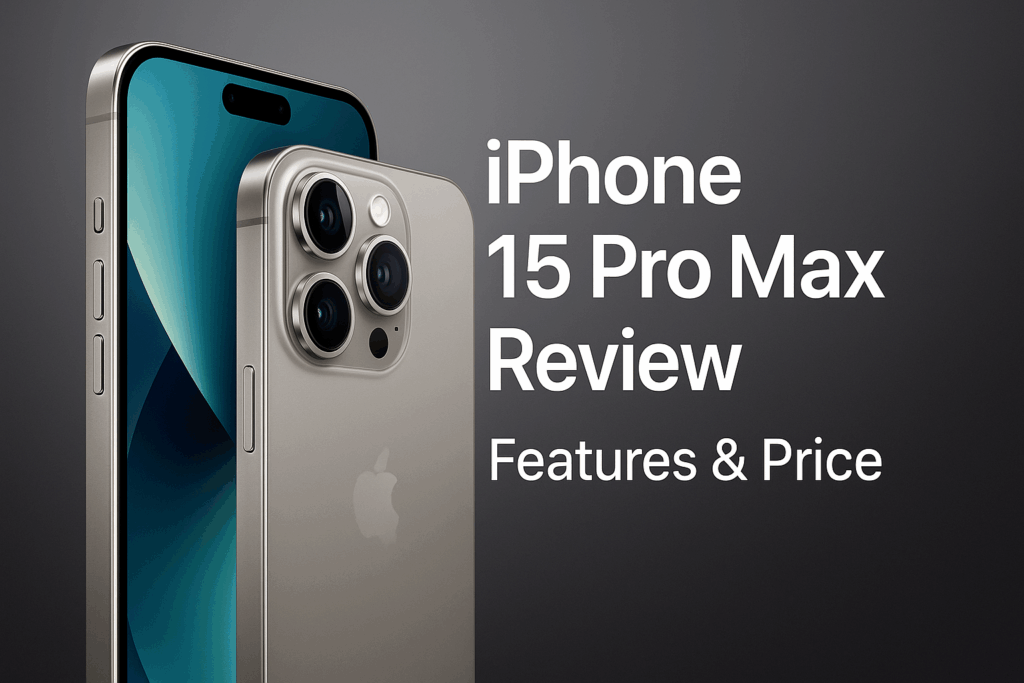
- Nigerian Reality: As of late 2025, only the absolute newest flagship smartphones (e.g., Galaxy S25 Ultra, iPhone 17 Pro Max, top Xiaomi/OnePlus models) and high-end laptops will support Wi-Fi 7. Most existing devices in Nigerian homes are still on Wi-Fi 5 or Wi-Fi 6.
- Impact: Even if you buy a Wi-Fi 7 router, your older devices won’t be able to utilize its advanced features. You’ll need to upgrade all your devices, which means even greater expense.
- Verdict: Low adoption rate. Most people don’t have enough Wi-Fi 7 devices to make a new router worthwhile.
6. Power Fluctuations & Reliability:
- Wi-Fi 7 Promise: More robust and reliable connections with MLO.
- Nigerian Reality: While MLO can make connections more resilient to interference, it cannot solve the fundamental issue of power outages (NEPA) or inconsistent power supply that affects the router itself. If the router loses power, no amount of Wi-Fi 7 magic will keep your devices online.
- Impact: The core problem of internet reliability in Nigeria often stems from power issues or ISP uptime, not the internal Wi-Fi standard.
- Verdict: Doesn’t solve core infrastructure issues.
Wi-Fi 7: Game-Changer or Expensive Hype? The Nigerian Perspective
Based on the current state of internet infrastructure, cost, and device penetration in Nigeria, Wi-Fi 7, as of late 2025, is largely expensive hype for the vast majority of consumers and small businesses.
Why it’s NOT a game-changer yet for most:
- ISP Bottleneck: The internet coming into your home simply isn’t fast enough to utilize Wi-Fi 7’s multi-gigabit speeds. You’ll pay for capability you can’t access.
- High Cost: The investment in Wi-Fi 7 routers and compatible devices is significant, making it a poor value proposition given the limited real-world benefits.
- Limited Ecosystem: Most of your existing devices won’t support it, meaning a piecemeal upgrade that offers little immediate return.
- Local Use Cases are Niche: Very few users have internal network demands (e.g., 8K wireless streaming from a local server) that genuinely require Wi-Fi 7.
Who might actually benefit (The Niche Cases):
- Cutting-Edge Tech Enthusiasts/Early Adopters: Those who want the absolute latest technology, regardless of practical benefit or cost.
- Businesses with Multi-Gigabit Fibre & High Internal Demands: Large enterprises or tech-heavy businesses in specific zones that have true multi-gigabit fibre internet connections and routinely transfer massive files locally.
- Developers/Testers: Individuals or companies working directly with Wi-Fi 7 technology development.
- High-End Cloud Gamers (with Multi-Gigabit Fibre): If you somehow have a consistent 2Gbps+ fibre connection and are playing latency-sensitive cloud games from a local server, MLO might offer a fractional improvement.
What Nigerian Consumers Should Do Instead:
Instead of chasing Wi-Fi 7, focus on these practical upgrades:
- Upgrade Your Internet Plan: If you’re on a 10 Mbps plan, upgrading to 50 Mbps or 100 Mbps will yield a far more noticeable improvement in your daily internet experience than upgrading your Wi-Fi standard.
- Invest in a Good Wi-Fi 6/6E Router: A high-quality Wi-Fi 6 or Wi-Fi 6E router offers excellent speeds (up to 9.6 Gbps), better efficiency in congested networks, and is significantly more affordable. It will provide more than enough bandwidth for virtually any home or small business in Nigeria.
- Optimize Your Existing Network: Ensure your router is centrally located, free from obstructions, and consider a mesh Wi-Fi system if you have a large home with dead zones.
- Power Backup: Invest in a reliable UPS (Uninterruptible Power Supply) for your router to ensure consistent internet during short power outages.
Conclusion: Wi-Fi 7’s Time Will Come, But Not Yet in Nigeria
Wi-Fi 7 is a remarkable technological achievement, representing the future of wireless connectivity. Its promises of unprecedented speeds and efficiency are genuinely exciting. However, in the context of Nigeria’s current internet infrastructure and economic realities, it is, for now, an expensive piece of hype that most users cannot fully utilize.
Investing in Wi-Fi 7 today would be akin to buying a Formula 1 car to drive on Lagos traffic. It has immense potential, but the road simply isn’t ready for it. For the average Nigerian, the smartest move is to focus on maximizing their current internet plan, investing in a robust Wi-Fi 6/6E setup, and waiting for both the national internet infrastructure and the cost of Wi-Fi 7 hardware to mature. Wi-Fi 7’s game-changing potential is real, but its game-changing impact in Nigeria is still a few years away. Save your Naira for upgrades that deliver tangible benefits today. ⏳💸