As Nigeria accelerates its telecommunications evolution, the promise of 5G connectivity has become a mainstream conversation. With major network operators like MTN, Airtel, and Mafab implementing 5G infrastructure in major cities such as Lagos, Abuja, and Port Harcourt, consumers are eager to experience faster speeds, lower latency, and improved performance across mobile applications.
However, not every smartphone marketed as “5G capable” will work effectively on the specific 5G bands deployed locally in Nigeria. This comprehensive guide explores which 5G phones actually support the local Nigerian 5G bands, how to choose the right device, and what features matter most in the context of Nigeria’s unique telecom landscape.
Understanding 5G and Local Frequency Bands in Nigeria
5G, the fifth generation of mobile network technology, delivers significant improvements over 4G LTE, including higher data speeds, lower latency, and better capacity. To access 5G networks, smartphones must include radio hardware and software that support the specific frequency bands used by carriers in a region.
In Nigeria, the major mobile network operators have rolled out 5G services that utilize specific spectrum bands. The most commonly reported 5G bands active in Nigeria include:
- n78 (3500 MHz): Widely deployed by major operators, offering a balance between coverage and capacity.
- n41 (2500 MHz): Used in certain areas for enhanced bandwidth.
- n1 and n3 (Low to mid bands): Less common but emerging in some aggregate offerings.
Understanding these bands is critical because a phone that supports 5G in Europe or the United States may not support the specific bands used in Nigeria. This mismatch is one major reason some devices fail to connect to local 5G networks despite being marketed as 5G compatible.
How to Check If a Phone Supports Nigerian 5G Bands
Before purchasing a 5G phone in Nigeria, consumers should verify the supported frequency bands. Here are practical steps:
- Check the Manufacturer’s Specifications: Visit official websites or product manuals and look for the 5G bands supported by the device. Ensure that n78 and/or n41 are listed.
- Use Online Databases: Resources such as GSMArena or official tech spec aggregators allow you to search by model to see supported bands.
- Confirm with Retailers: Ask authorized resellers to confirm compatibility for use on local 5G networks.
- Avoid Generic Listings: Some marketplace sellers advertise phones as 5G without specifying band support. If the band information is missing, be cautious.
Failure to verify supported bands can lead to disappointment: a phone that supports 5G in theory but lacks the correct bands will fall back to 4G LTE or even 3G where available.
Top 5G Phones Supporting Local Nigerian Bands
The following phones have confirmed support for local Nigerian 5G bands (particularly n78 and n41), offering strong performance and value for consumers across different price ranges.
1. Samsung Galaxy A54 5G
The Samsung Galaxy A54 5G is one of the most popular mid-range devices in Nigeria that supports the n78 band, ensuring compatibility with 5G networks deployed by local carriers. Its balanced specs make it ideal for users who want both performance and affordability.
- 5G Bands: Includes n78 support.
- Display: 6.4-inch Super AMOLED.
- Performance: Octa-core processor with up to 8GB RAM.
- Battery: 5000mAh with fast charging.
- Camera: Versatile multi-lens setup for photo and video.
Its software support and ecosystem integration with Samsung’s Android experience are additional reasons this device remains a strong choice for 5G adoption in Nigeria.
2. Xiaomi Redmi Note 12 5G
The Redmi Note series is widely known for bringing premium features to budget segments, and the Redmi Note 12 5G continues this trend. With n78 band support, it ensures you stay connected to local 5G networks without paying flagship prices.
- 5G Bands: Supports n78 and other mid-band frequencies.
- Display: 6.67-inch AMOLED with 120Hz refresh rate.
- Performance: Qualcomm Snapdragon 4-series chipset.
- Battery: 5000mAh with rapid charging.
- Camera: Competitive setup for its price category.
This device is a compelling option for users seeking an affordable entry point into 5G without compromising on essential features.
3. iPhone 13 Series and Above (5G Enabled Models)
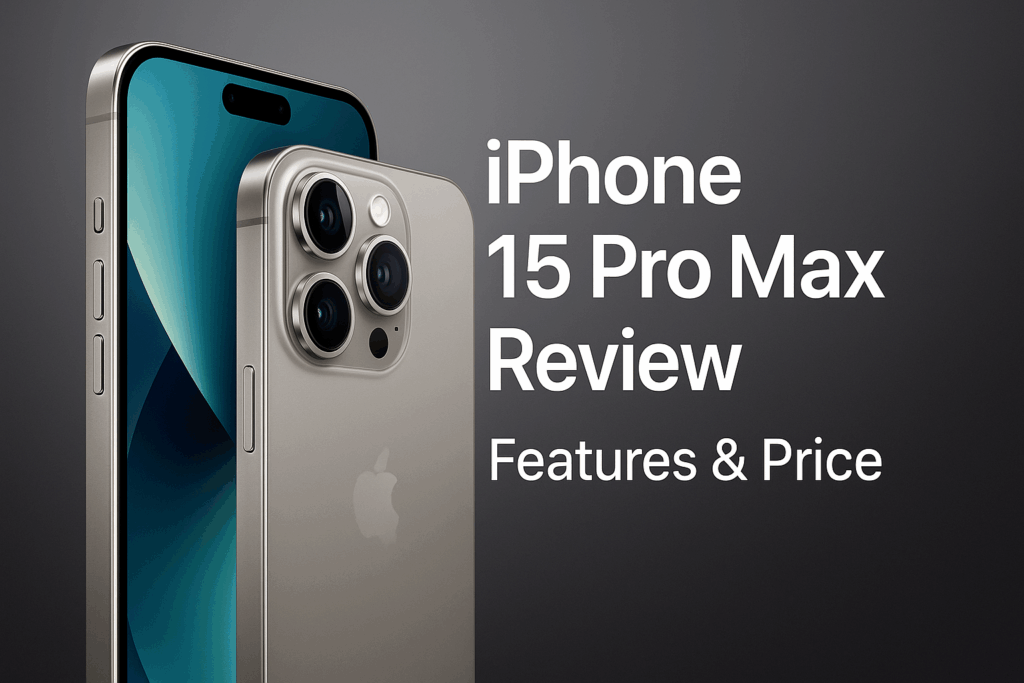
Apple’s adoption of 5G across all models from the iPhone 12 series onward means that many Nigerians can access 5G if they choose compatible models. The iPhone 13, 14, 15, and their Pro variants all include support for n78 band, making them suitable for local networks.
- 5G Bands: Includes n78 support.
- Operating System: iOS with long-term support.
- Performance: Apple Silicon chips deliver top-tier performance.
- Camera: Market-leading photo and video capabilities.
- Ecosystem: Seamless experience with Apple services and accessories.
The premium positioning of iPhones makes them expensive compared to mid-range Android alternatives, but their longevity, build quality, and resale value are significant advantages.
4. Oppo Reno8 5G
Oppo’s Reno8 5G series continues to gain traction in Nigeria’s smartphone market thanks to strong specifications and confirmed support for the n78 band. It strikes a balance between performance, design, and camera capabilities.
- 5G Bands: Supports n78 and select additional bands.
- Display: 6.43-inch AMOLED display.
- Performance: MediaTek Dimensity chipset.
- Battery: 4500mAh with fast charging.
- Camera: Impressive imaging setup for the segment.
This phone is a solid choice for users who desire 5G connectivity and a strong camera system without moving into flagship pricing.
5. Infinix Zero 5G
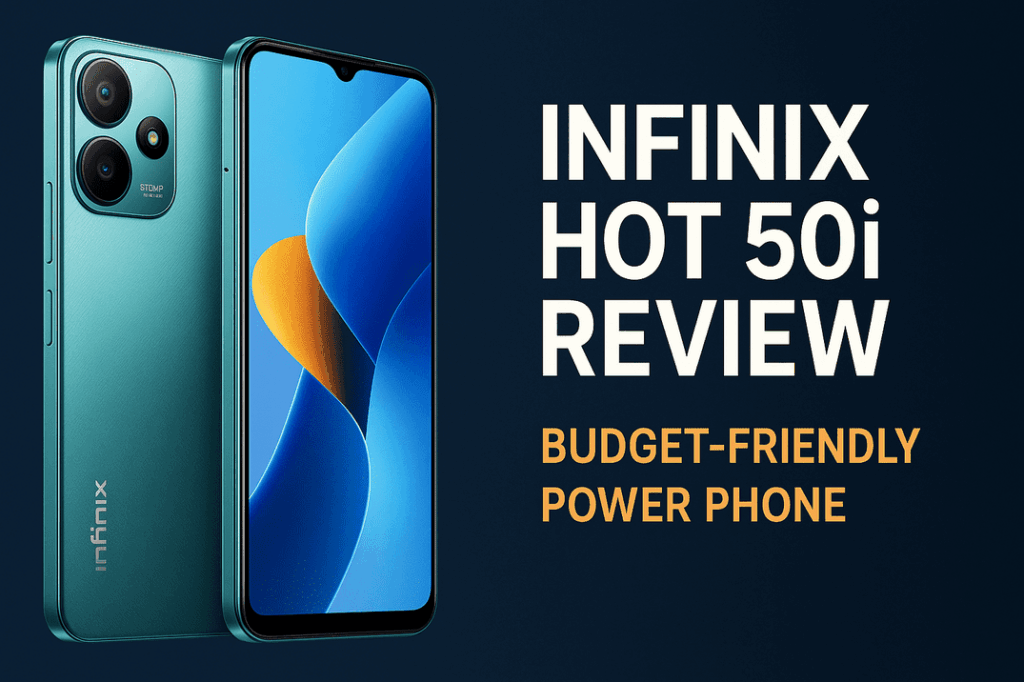
Infinix has emerged as a strong contender in the Nigerian market, with the Zero 5G offering confirmed support for n78 band. Its aggressive pricing and feature set make it one of the most attractive 5G options for budget-conscious buyers.
- 5G Bands: Supports n78.
- Display: 6.78-inch FHD+ with high refresh rate.
- Performance: Decent SoC for everyday use.
- Battery: Large capacity with fast charging.
- Camera: Competitive multi-lens setup.
For users who want to experience 5G without stretching their budget, the Infinix Zero 5G remains a compelling proposition.
Additional Phones with Nigerian 5G Support Worth Considering
Beyond the models listed above, several other devices support the Nigerian 5G bands and are worth considering, especially if you have specific needs such as flagship performance, photography, or unique design. These include:
- Sony Xperia 10 V 5G: Supports mid-band 5G and offers a unique compact form factor.
- OnePlus Nord Series: Select models like Nord 2 and Nord CE 3 include n78 support, combining strong performance with stylish design.
- Realme 9 5G: Offers a balanced set of specs and confirmed 5G band support.
- Vivo V25 Pro 5G: Premium mid-tier experience with good network compatibility.
Each of these devices brings its own strengths, whether in display technology, performance, or battery efficiency, but the primary criterion remains support for relevant Nigerian 5G bands.
5G Networks and Coverage in Nigeria
Understanding network coverage helps buyers assess where and how they will benefit from 5G. Nigeria’s 5G rollout started in major urban centers, with operators initially focusing on business districts, high-density residential areas, and regions with high data demand.
Coverage varies by operator and city. MTN Nigeria and Airtel Nigeria have been reported as primary carriers with active 5G deployments. These deployments are gradually expanding to include more neighborhoods and secondary cities, driven by demand and competitive pressure.
Importantly, 5G availability is not uniform nationwide. While Lagos, Abuja, and Port Harcourt may have broad 5G footprints in select areas, other cities may still be in early phases of rollout. Prospective buyers should check the latest coverage maps from their chosen carrier to ensure service availability where they live and work.
Considerations Before Buying a 5G Phone in Nigeria
Choosing the right 5G phone involves more than just confirming band support. Here are important considerations:
1. Budget and Total Cost
5G phones range from budget-friendly devices to premium flagship models. Establish a clear budget and balance it with features like battery life, camera performance, software updates, and brand support.
2. Software Updates
Devices with strong software update commitments (for example, Samsung and Apple) can remain relevant and secure for longer. This becomes especially important as Nigeria’s networks evolve.
3. Battery and Charging
5G connectivity can consume more power than 4G. Phones with larger batteries and efficient charging systems ensure you can take full advantage of 5G speeds throughout the day.
4. After-Sales Support
Consider warranty coverage and authorized service centers in Nigeria. Locally supported brands or models have a distinct advantage when it comes to repairs and parts availability.
5. Future-Proofing
5G is still rolling out in Nigeria. Investing in a phone that supports the primary local bands (n78, n41) ensures that your device remains compatible with evolving network enhancements. Avoid models that skip these bands, even if marketed aggressively as 5G devices.
Common Misconceptions About 5G Phones in Nigeria
There are several misunderstandings circulating about 5G phones and their capabilities in Nigeria. Clearing these up can help you make a more informed decision.
Misconception 1: All 5G Phones Work in Nigeria
This is not true. Only phones that support the local 5G bands (e.g., n78) will work on Nigerian 5G networks. Many global models support different bands tailored for Europe, the US, or Asia—but not necessarily Nigeria.
Misconception 2: Faster Internet Means Better Coverage Everywhere
5G may offer high peak speeds, but coverage still depends on network deployment. You might get excellent 5G in a city center and limited coverage in a suburb. Always review carrier coverage maps.
Misconception 3: 5G Drains Battery Instantly
Early experiences with first-generation 5G chipsets showed higher power consumption, but modern phones and optimized networks have improved efficiency. Battery life varies by model, usage patterns, and signal strength, not merely because of 5G.
How to Activate 5G on Your Phone in Nigeria
Once you have a compatible device, follow these steps to activate 5G:
- Ensure you have a 5G-enabled SIM card from your carrier.
- Insert the SIM and reboot your phone.
- Go to Settings > Network & Internet > Mobile Network.
- Select Preferred Network Type and choose 5G/Auto.
- Move to an area with confirmed 5G coverage.
- If 5G doesn’t appear, confirm with your carrier that your line is provisioned for 5G.
If the phone still does not connect to 5G, verify that the specific model supports the carrier’s 5G bands.
Conclusion
5G is transforming mobile internet connectivity in Nigeria, bringing faster speeds and greater capacity. However, the key to a successful 5G experience lies in choosing a phone that actually supports the local 5G bands—especially n78 and n41. Whether you opt for a flagship device like an iPhone 13 or a value-oriented model like the Redmi Note 12 5G, confirming band compatibility is essential.
As network coverage continues to expand, investing in a properly supported 5G phone today can future-proof your mobile experience and ensure strong performance for years to come. Use this guide to inform your next smartphone purchase and enjoy the full benefits of 5G in Nigeria.