For over a decade, the flagship smartphone has been presented to us as a sealed black box of technological magic. It’s a seamless slab of glass and metal, an object of immense power and beauty, but one that is fundamentally unapproachable. We’ve all felt the dread of that first major drop. The spiderweb crack that appears on a ₦2.5 million device is more than just a cosmetic issue; it’s a financial crisis in waiting, often leading to a repair bill that could buy a whole new mid-range phone. This is the “fragility tax” of modern flagships, a model that often encourages replacement over repair.
But what if there was a different path? In the bustling, resourceful markets of Nigeria, from Alaba to Computer Village, the culture of repair is a way of life. We don’t just discard things when they break; we fix them. Now, a new wave of eco-friendly smartphones is embracing this very philosophy, designing devices that are meant to be opened, maintained, and used for many years. This raises a critical question for the tech-savvy Nigerian consumer in 2025: in the quest for sustainability and repairability, do you have to sacrifice the one thing we all crave—power? Can a phone that you can take apart with a simple screwdriver truly compete with the raw performance of a sealed, top-of-the-line flagship? It’s a battle of philosophies, and the answer is redefining what “power” truly means. ♻️⚡
The Two Philosophies: Sealed Power vs. Open Longevity
To understand this battle, we must first understand the two fundamentally different design philosophies at play.
The Flagship Philosophy: The Perfect, Sealed Object
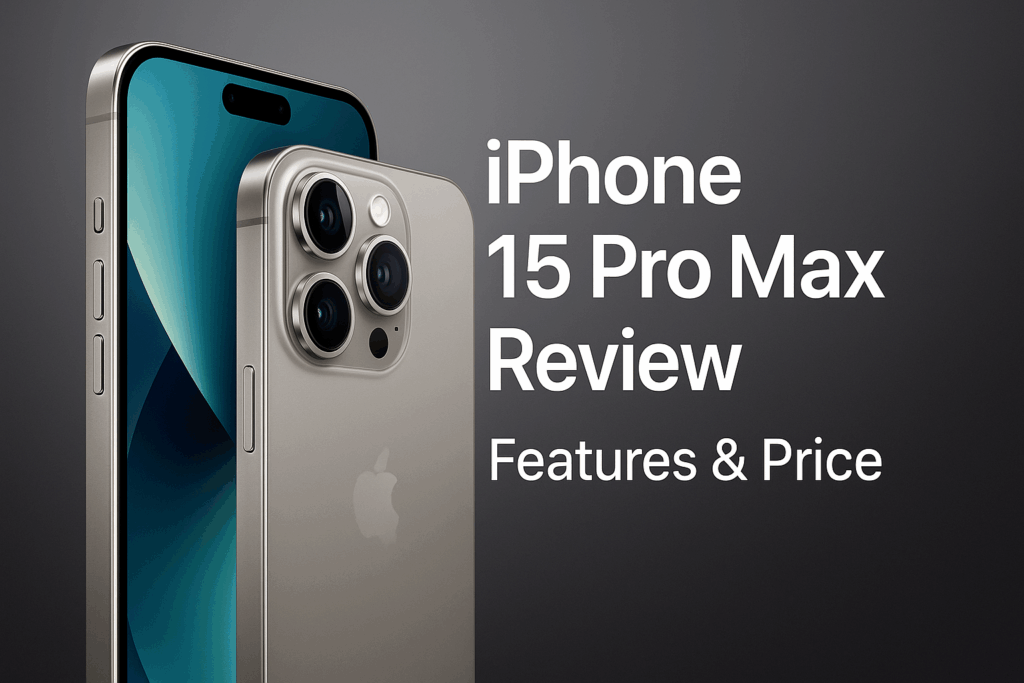
A modern flagship, like a Samsung Galaxy S25 Ultra or an iPhone 17 Pro, is an engineering marvel. It is sealed with incredibly strong adhesives to achieve a sleek, seamless design and, crucially, to attain a high IP68 water and dust resistance rating. Its internal components are layered in a complex, space-optimized puzzle that is not designed to be accessed by the user. The goal is to create a perfect, but ultimately disposable, object. Its power is immense but finite, and its lifespan is often dictated by the high cost of repairing its first major failure.
The Eco-Phone Philosophy: The Maintainable Tool
An eco-friendly smartphone, like the 2025 Fairphone 6, is designed from the opposite perspective. Its primary goal is longevity through repairability. It uses screws instead of glue. Its key components—the battery, screen, USB-C port, and camera modules—are designed to be easily replaceable modules. The goal is not to create a sealed object, but a long-lasting tool that the user can maintain and upgrade over many years. It champions the Right to Repair, a movement that is gaining global traction.
Round 1: The Power Test – The “Engine Room” Comparison
This is the central question: can the repairable phone compete on raw performance?
A 2025 flagship is powered by the absolute best-of-the-best processor, like the Snapdragon 8 Gen 4 or the Apple A19 Pro. These are chips designed for benchmark-topping, peak performance, capable of handling the most extreme gaming and video editing tasks. An eco-phone, like the Fairphone 6, makes a smart, strategic choice. It uses a premium, but not top-tier, processor, such as a powerful and highly efficient Snapdragon 7+ Gen series chip. This chip is chosen for its fantastic balance of excellent performance and superior power efficiency.
How does this play out in the real world in Lagos? For 95% of your daily tasks—scrolling through Instagram, chatting on WhatsApp, using your banking app, browsing the web, and multitasking between a dozen apps—the performance difference is completely imperceptible. Both phones are flawlessly fast and fluid. The power in modern premium-mid-range chips is more than enough for a fantastic, lag-free experience.
The difference only emerges in the most extreme 5% of use cases. If you are trying to export a 10-minute 4K video with multiple effects, the flagship will be faster. If you are a hardcore gamer trying to run Genshin Impact at the absolute maximum graphical settings for an hour, the flagship will maintain a higher, more stable frame rate. But for everyone else, the power offered by the eco-phone is more than sufficient.
The Verdict: The flagship wins on peak power for specialized, heavy tasks. But for the everyday power that truly matters, the eco-friendly phone absolutely competes, offering a wonderfully smooth and powerful experience.
Round 2: The Repairability Test – A Cracked Screen in Lagos
This is where the battle shifts dramatically, and where the eco-phone’s true power is revealed.
Imagine your beautiful, sealed flagship phone slips from your hand and the screen cracks. This is the beginning of a painful and expensive journey. You have to find an official, authorized service center. The repair will likely cost upwards of ₦200,000 or ₦300,000, as it involves replacing the entire front panel. The process could take days, leaving you without your primary device.
Now, imagine the same scenario with your Fairphone 6. The screen cracks. You go online to Fairphone’s website or a local parts distributor. You order a new screen module for around ₦50,000. It arrives with a small screwdriver. You watch a 5-minute tutorial on YouTube. You unscrew a few screws, pop out the old module, click the new one into place, and replace the screws. In under 15 minutes, your phone is as good as new. Alternatively, you could take it to any trusted technician in Computer Village, who can perform this simple, quick repair for a small fee.
The Verdict: This is a landslide, revolutionary victory for the eco-friendly phone. The power to easily and affordably repair your own device is a massive practical and financial advantage that flagships simply cannot offer. It is a philosophy that resonates deeply with the resourceful spirit of Nigeria.
Round 3: The Longevity & Long-Term Value Test
A phone’s value isn’t just its price on day one; it’s how useful it remains over time.
The battery is the first component to degrade in any smartphone. On a sealed flagship, after two or three years, the battery life will be noticeably shorter. Replacing it is another expensive and difficult official repair, which often pushes users to simply buy a new phone, contributing to e-waste.
On the eco-phone, when the battery starts to feel weak after a few years, you can simply buy a new one for around ₦20,000 and swap it yourself in two minutes. This single act can dramatically extend the usable lifespan of your device from three years to six or more. When you combine this with the promise of long-term software support from brands like Fairphone, you have a device that is designed to last. It is a far better long-term investment.
The Verdict: The eco-phone wins on long-term value and sustainability. It’s a device you maintain, not one you discard.
Conclusion: A New Definition of “Power”
So, can a phone you can repair compete on power? The answer is a resounding yes. It competes on the power that truly matters for the savvy, value-conscious user.
While the traditional flagship is technically more “powerful” in terms of its peak processing capabilities, this is a narrow definition of power. The eco-friendly smartphone offers a different, arguably more profound kind of power. It is the power of ownership, the power of repair, the power of longevity, and the power of financial predictability. It delivers a fantastic, fluid, and powerful daily experience while freeing you from the fear of costly repairs and the cycle of planned obsolescence.
For the user in Nigeria, the choice in 2025 is clearer than ever. Do you want the ultimate sprinter, a device that is the fastest for a short period but expensive to maintain? Or do you want a marathon runner, a powerful and reliable partner that is built to last the distance? While the flagship may win the short-term race, the eco-friendly phone is built to win the marathon. And in a market that values endurance and smart spending, the marathon runner is the true champion.