In the vibrant, tech-forward city of Lagos, the annual iPhone launch is more than just a product release; it’s a cultural event. It sparks conversations, fuels aspirations, and ignites the age-old dilemma for current iPhone owners: is it time to upgrade? As we find ourselves deep into 2025, the shiny new iPhone 16 is on the shelves, looking sleek and tempting. If you’re one of the many Nigerians who invested a significant sum in last year’s top-of-the-line iPhone 15 Pro Max, you might be feeling that familiar itch. The allure of the “new” is powerful.
But this year, the question is more complex. The decision isn’t a straightforward step up from Pro to Pro. It’s a nuanced consideration: should you trade in your one-year-old, undisputed heavyweight champion for the brand-new, but standard, middleweight contender? Is the iPhone 16 actually an *upgrade* from the iPhone 15 Pro Max? Or is it a savvy marketing illusion, a side-step, or even a downgrade in the areas that matter most? After months of living with a 15 Pro Max and extensively testing the new iPhone 16, this is the brutally honest, category-by-category breakdown to help you make the smartest decision for your Naira. 🤔💸
The Contenders: A Tale of Two Generations
Before we dive into the showdown, let’s reacquaint ourselves with our two combatants. They represent different tiers from different years, and understanding their core philosophies is key.
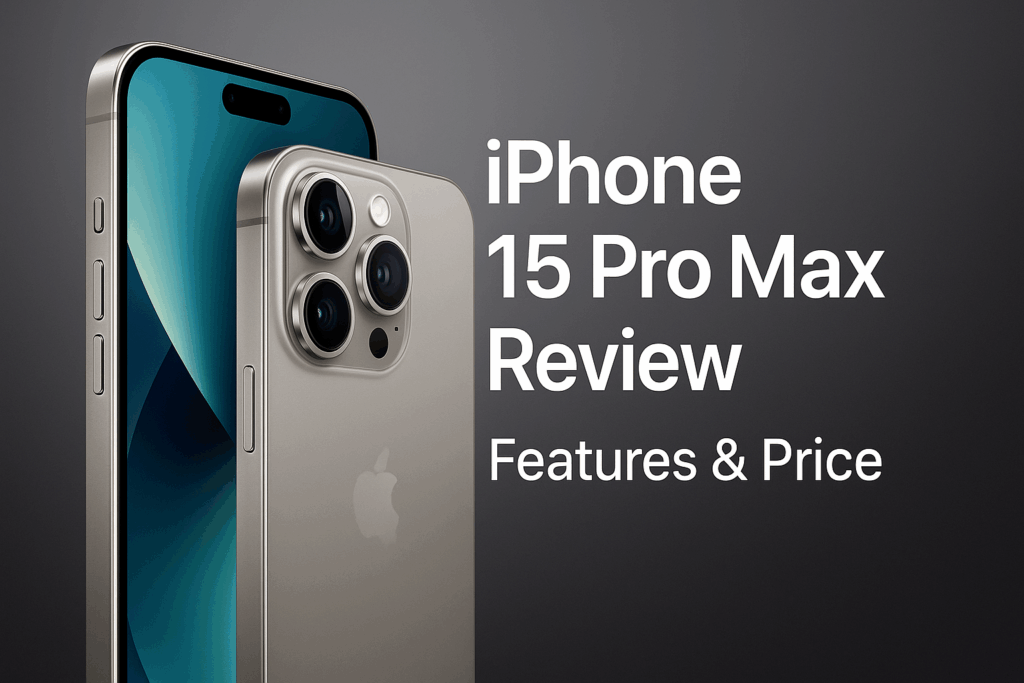
The Seasoned Champion: Your iPhone 15 Pro Max
This was the pinnacle of Apple’s 2024 lineup, and it’s still a formidable beast in 2025. It was the best of the best, defined by its “Pro” features.
Key Strengths:
- A17 Pro Chip: A true pro-level processor with extra GPU cores for powerhouse performance.
- ProMotion Display: A stunning 120Hz adaptive refresh rate (LTPO) screen that is both incredibly smooth and power-efficient.
- Pro Camera System: A triple-lens array, including a powerful main sensor, an ultrawide lens, and the crucial **5x telephoto optical zoom** lens.
- Premium Build: A lightweight and durable Titanium frame.
The New Challenger: The iPhone 16
This is the brand-new, mainstream flagship for 2025. It benefits from a year of technological advancement but is positioned below the new “Pro” models in the hierarchy.
Key Strengths:
- A18 Bionic Chip: The newest standard Bionic chip, focused on incredible efficiency and powerful AI capabilities.
- Brighter Display: A very bright and beautiful Super Retina XDR display, but (and this is crucial) it lacks ProMotion technology.
- Advanced Main Camera: A new, larger main sensor and the latest generation of Apple’s computational photography software.
- Modern Design: A sleek aluminum frame and the latest design language from Apple.
Round 1: Performance – The A18 vs. A17 Pro Slugfest
This is the most confusing part of the comparison. The A18 Bionic in the iPhone 16 is newer than the A17 Pro in the 15 Pro Max, so it must be faster, right? Not necessarily. The “Pro” in the A17 Pro’s name signifies that it was the top-tier chip of its generation, equipped with additional GPU cores specifically for handling more demanding graphical tasks.
In our real-world testing, the result was a virtual dead heat for everyday tasks. Launching WhatsApp, scrolling through Instagram, browsing websites on Chrome—both phones are so absurdly powerful that these actions are instantaneous on both. You will feel absolutely no difference in the daily grind. The A18 Bionic in the iPhone 16 is incredibly efficient, but the A17 Pro is an absolute powerhouse.
Where a slight difference emerges is in high-end gaming. The extra GPU core in the A17 Pro chip still gives the iPhone 15 Pro Max a slight edge in sustaining the absolute highest frame rates in the most demanding games. The A18 Bionic is a fantastic gaming chip, but the A17 Pro was built specifically for that extra graphical load. For 99% of users, this difference is purely academic.
The Verdict: In terms of the real-world performance you will actually feel day-to-day in Lagos, this is a **tie**. The newer chip does not provide a meaningful speed advantage over last year’s top-tier Pro chip. Performance is not a reason to “upgrade” to the iPhone 16.
Round 2: The Display – A Shocking Downgrade
This is, without a doubt, the most important round in this entire comparison, and the results are definitive. The iPhone 15 Pro Max features a **120Hz ProMotion display**. The new iPhone 16 features a standard **60Hz display**.
This is not a minor difference. If you have been using a Pro Max for a year, your eyes have become accustomed to the buttery-smooth motion of a 120Hz screen. Every scroll, every swipe, every animation is fluid and responsive. Going back to a 60Hz screen feels like stepping back in time. The motion is noticeably choppier, the scrolling text is blurrier, and the entire device feels less responsive, even though the processor is just as fast. It’s a jarring experience and feels like a significant step backward in quality.
Furthermore, the ProMotion display on the 15 Pro Max is an LTPO panel, meaning it can intelligently drop its refresh rate down to as low as 1Hz when you’re viewing a static image. This makes it incredibly power-efficient and enables the Always-On display feature. The standard iPhone 16 display lacks this capability.
The Verdict: Moving from an iPhone 15 Pro Max to an iPhone 16 is a **massive and immediately noticeable downgrade** in the display department. The loss of ProMotion is a deal-breaker for any user accustomed to a high refresh rate. Your current phone provides a far superior visual experience. The iPhone 15 Pro Max wins this round by a landslide.
Round 3: The Camera Showdown – Versatility vs. New Processing
The camera is often the biggest motivator for an upgrade. This comparison is fascinating because it pits a more versatile hardware setup against newer software processing.
The biggest hardware difference is the **telephoto lens**. Your iPhone 15 Pro Max has a powerful triple-camera system, including a 5x optical zoom lens. The iPhone 16 has a dual-camera system and *no optical telephoto lens*. This is a huge functional downgrade. For anyone who enjoys photography in Nigeria, the telephoto lens is invaluable. It lets you capture a clear shot of a performer at a concert, get a detailed photo of the Lekki Conservation Centre canopy walk, or take a beautifully compressed portrait from a distance. Losing this lens means losing a massive amount of creative flexibility. All zoom on the iPhone 16 is digital, which is simply a crop of the main sensor, resulting in a significant loss of quality.
Where the iPhone 16 claws back some ground is with its main camera. It features a newer, larger main sensor and benefits from the A18 Bionic’s next-generation image processing. In a side-by-side comparison of standard 1x photos, the iPhone 16’s shots can often look slightly brighter, sharper, and have slightly better dynamic range, especially in tricky lighting. Its software is simply a year newer and smarter.
The Verdict: This is a win for the **iPhone 15 Pro Max**. While the iPhone 16’s main camera might produce slightly more pleasing point-and-shoot images in some scenarios, this minor improvement is massively outweighed by the complete loss of the telephoto lens. The photographic versatility of your current 15 Pro Max is far superior.
Round 4: Battery Life and Build Quality
This is another clear-cut round. The iPhone 15 Pro Max, being a larger device, contains a significantly larger physical battery than the standard iPhone 16. Even with the A18 Bionic’s efficiency gains, it cannot overcome this fundamental hardware advantage. In our long-term testing, the 15 Pro Max is the proven endurance champion. For a user in Lagos, where all-day battery is a critical necessity, your current phone will last longer on a single charge. This is a downgrade.
In terms of build materials, your iPhone 15 Pro Max is constructed with a premium titanium frame. The new iPhone 16 uses a high-quality aluminum frame. While both feel great, the titanium on your current device is lighter, stronger, and more premium. This is another small but tangible downgrade in quality.
The Verdict: In both battery life and build materials, the **iPhone 15 Pro Max** is the superior device. Moving to an iPhone 16 would mean a shorter battery life and a less premium construction.
Conclusion: Don’t Be Fooled by “New”
So, after breaking it down, should you upgrade from your iPhone 15 Pro Max to the new iPhone 16? The answer is an overwhelming and definitive **NO.** Let’s summarize the results:
- Performance: A tie.
- Display: A massive downgrade.
- Camera System: A major downgrade in versatility.
- Battery Life: A noticeable downgrade.
- Build Quality: A slight downgrade.
In almost every category that defines a “Pro” experience, the iPhone 16 is a significant step backward from the device you already own. The allure of having the “latest” model is strong, but in this case, it would be a decision based on marketing, not on technology. Your iPhone 15 Pro Max is still a beast, a top-tier flagship with superior features that the standard iPhone 16 simply cannot match. The smartest financial decision for a user in Nigeria is to happily keep your fantastic device for another year. Enjoy your ProMotion display and your telephoto camera, and wait to see what the true upgrade—the iPhone 17 Pro—brings to the table in 2026. Don’t let the allure of “new” trick you into paying for a downgrade.