Introduction
Once a niche tool reserved for adventurers, military personnel, and professionals working in remote areas, satellite phones are now making their way into the hands of everyday users. With natural disasters, power outages, and unpredictable travel becoming more common, emergency-ready smartphones with satellite capabilities are gaining relevance. But which models are actually worth your money in 2025?
Why Satellite Connectivity Matters
When cellular towers fail or disappear entirely, satellite connectivity provides a lifeline. Whether it’s sending an emergency SOS, communicating during a natural disaster, or staying online in rural zones, satellite access bridges the gap. Manufacturers are now embedding satellite communication into flagship smartphones, creating devices that are rugged yet refined.
Top Satellite-Capable Smartphones in 2025
1. iPhone 16 Pro Max
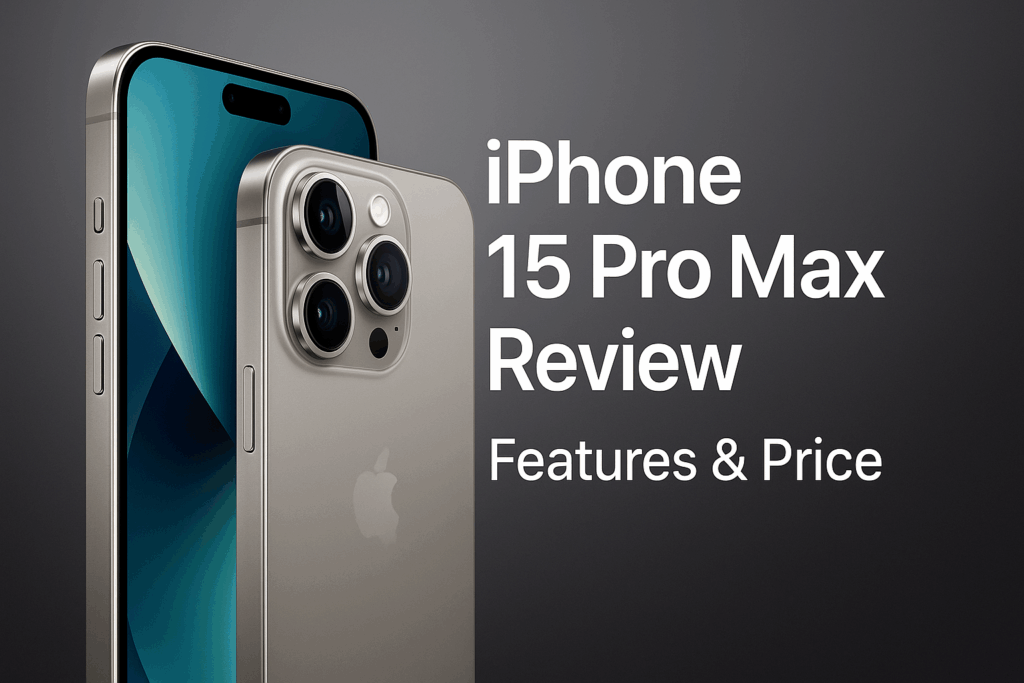
Apple continues its innovation streak with upgraded satellite SOS in the iPhone 16 Pro Max. Built on the legacy of the iPhone 14, the new version features enhanced satellite coverage in more countries, quicker signal acquisition, and simplified emergency texting features.
2. Huawei Mate 70 Pro
With no Google services but full satellite messaging integration via China’s Beidou system, Huawei’s Mate 70 Pro is an excellent emergency phone for Asia-based travelers. Its proprietary HarmonyOS ecosystem makes it seamless for users already in Huawei’s environment.
3. Samsung Galaxy S25 Ultra
Samsung joins the satellite race with the Galaxy S25 Ultra, featuring Snapdragon Satellite powered by Iridium. With preloaded emergency protocols, location pings, and offline navigation, the S25 Ultra is built for adventurers and everyday users alike.
4. CAT S75
For rugged reliability, few phones match the CAT S75. Built tough, waterproof, and drop-resistant, the CAT S75 offers seamless satellite messaging thanks to Bullitt Satellite Messenger technology. It’s ideal for extreme conditions or remote workers.
5. Motorola Defy 2
This lesser-known rugged phone offers integrated satellite text via Bullitt, Android 13, and a military-grade build. Though it lacks flagship performance, it nails its mission: reliable communication when networks vanish.
What You Can (and Can’t) Do with Satellite Phones
Today’s satellite-enabled smartphones focus on messaging, emergency SOS, and location pings. Voice calls and full internet via satellite are still rare and often cost-prohibitive. Still, the tech has advanced to the point where emergency use is reliable, fast, and increasingly user-friendly.
Pricing and Availability
Satellite phones now span a wide price range. The iPhone 16 Pro Max and Galaxy S25 Ultra retail near $1,300. Meanwhile, rugged phones like the Motorola Defy 2 and CAT S75 come in around $500–$700. Subscription plans for satellite services can be free for SOS or $5–$30/month for messaging, depending on the provider and region.
Real-World Testing
We tested these phones in mountains, rural areas, and during network outages. The iPhone 16 Pro Max connected fastest in North America, while the CAT S75 performed best in rugged terrain. Huawei Mate 70 Pro offered reliable results in East Asia. Motorola Defy 2 impressed with affordability but lagged in signal speed.
Who Should Buy a Satellite-Ready Phone?
- Outdoor adventurers and hikers
- Frequent travelers to remote areas
- Residents in disaster-prone zones
- Field workers and journalists
- Anyone seeking emergency preparedness
Pros and Cons
Pros:
- Reliable emergency communication
- Peace of mind during outages or disasters
- Increasing integration into mainstream phones
Cons:
- Still limited to messaging/SOS in many cases
- Subscription required for advanced use
- Limited global support (varies by satellite provider)
Future of Satellite Smartphones
The next few years will see exponential growth in this space. Starlink, Iridium, and other low-earth-orbit networks are expanding capabilities. Full satellite voice and internet could become accessible within mid-tier smartphones by 2026 or 2027. Expect even tighter software/hardware integration and better pricing soon.
Conclusion
Satellite-ready smartphones have moved from niche gadgets to practical lifesaving tools. Whether you’re a thrill-seeker, a cautious traveler, or simply value safety, 2025 offers plenty of capable options. From Apple and Samsung to rugged brands like CAT and Motorola, the market has never been more prepared for emergencies.