The smartphone camera arms race has reached a new pinnacle in 2025. Google’s Pixel series and Apple’s iPhone lineup both leverage advanced computational photography and on‑device AI to deliver stunning images and video. But when it comes to real‑world performance—day or night, stills or motion—one flagship must emerge victorious. In this in‑depth comparison, we’ll explore every angle: hardware specs, AI algorithms, shooting modes, image quality in diverse scenarios, video capabilities, user experience, and more. By the end, you’ll know which AI‑powered camera system truly stands above the rest.
Understanding Computational Photography
Traditional cameras relied on sensor size and optics; modern smartphone cameras pair those with powerful image‑processing pipelines. Computational photography uses multiple frames, machine learning, and algorithmic enhancements to overcome physical limitations:
- HDR Bracketing: Combining exposures to balance highlights and shadows.
- Multi‑Frame Noise Reduction: Stacking successive shots to reduce grain.
- Depth Mapping: Using stereo or AI models to isolate subjects and apply bokeh.
- AI Scene Detection: Identifying lighting or subject type to apply optimized post‑processing.
Both Pixel and iPhone excel in this domain, but their approaches diverge in emphasis—Google favors aggressive AI corrections, while Apple aims for natural color fidelity with subtle machine learning aids.
Overview of Pixel’s AI Camera Features
Google’s Pixel cameras have long been praised for their Night Sight and computational wizardry. In the Pixel 9 Pro, key AI‑driven features include:
- Night Sight 3.0: Real‑time low‑light capture using motion‑aware exposure stacking.
- Real Tone: ML‑trained skin‑tone rendering for accurate, inclusive portraits.
- Magic Editor: On‑device object removal, background adjustments, and relighting with a simple swipe.
- Motion Mode: AI‑generated long exposures—“Action Pan” and “Long Exposure”—without a tripod.
- Adaptive Denoise: Scene‑based noise reduction that preserves fine detail in textures.
Under the hood, the Pixel Tensor 3 chip processes images on‑device, ensuring privacy and low latency. Google’s commitment to AI research keeps pushing improvements via monthly Feature Drops.
Overview of iPhone’s AI Camera Features
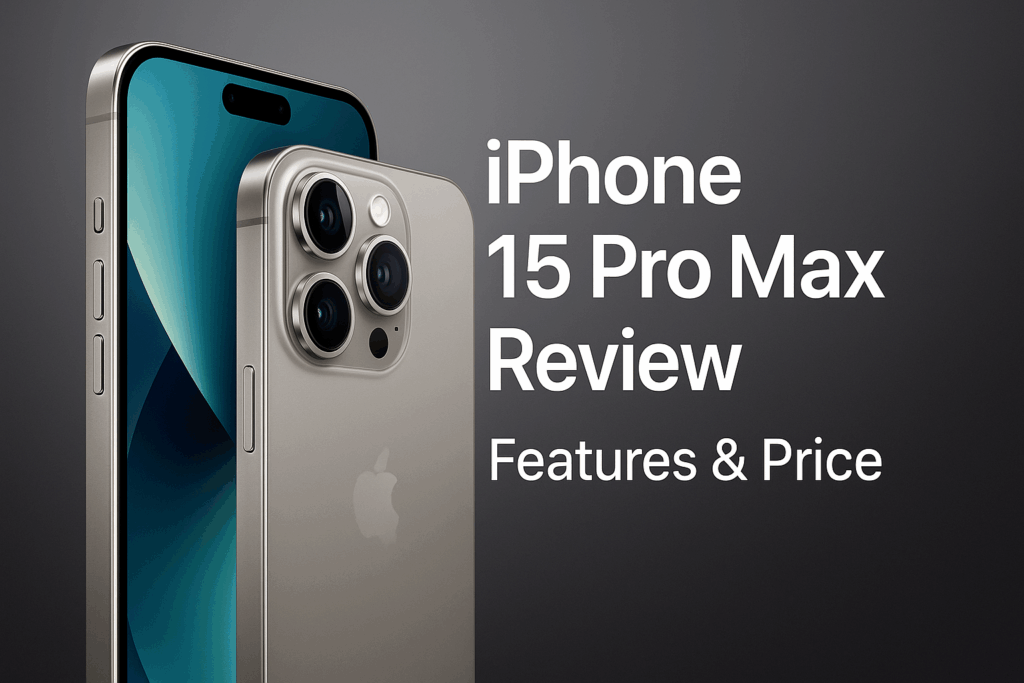
Apple balances hardware prowess with intelligent software optimizations. On the iPhone 16 Pro Max, AI advancements include:
- Photonic Engine: Deep Fusion extension across all cameras, improving mid‑ to low‑light detail.
- Cinematic Mode: Real‑time depth‑of‑field transitions in video, powered by Neural Engine segmentation.
- Smart HDR 5: Enhanced multi‑frame HDR with improved highlight recovery and natural tones.
- Action Mode: AI‑stabilized video capturing smooth footage without gimbals.
- ProRAW + ML Filters: On‑device computational filters applied to uncompressed sensor data for advanced editing.
Apple’s A18 Bionic chip and 16‑core Neural Engine deliver high throughput for on‑device inference, ensuring privacy and speed when applying AI effects in real time.
Hardware Comparison
While AI drives most enhancements, raw hardware determines the baseline quality:
- Sensor Size: Pixel 9 Pro uses a 1/1.31″ main sensor; iPhone 16 Pro Max employs a slightly larger 1/1.28″ sensor—both capture ample light.
- Lens Aperture: Pixel at f/1.55 vs. iPhone at f/1.6—nearly identical in light intake.
- Optical Zoom: Pixel offers 5× optical; iPhone delivers 3× optical plus 10× digital “Super Resolution.”
- Ultra‑Wide: Both feature 12 MP ultrawide with f/2.2 and ~120° FOV.
Hardware differences are marginal; the battle hinges on software and AI processing.
Software & AI Algorithms
Google’s open research approach incorporates TensorFlow models fine‑tuned on diverse datasets. Apple’s closed‑loop development trains on curated in‑house data, focusing on end‑user consistency. Key distinctions include:
- Pixel: Magic Editor uses diffusion‑based inpainting for object removal; Apple’s Photo Eraser relies on a combination of Neural Engine and GPU inference.
- iPhone: Cinematic Mode depth transitions are frame‑accurate in 4K 30 fps; Pixel’s Portrait Mode uses a static depth map limited to 1080p.
- Updates: Pixel receives monthly Feature Drops with AI improvements; iPhone gets annual major iOS updates with incremental camera refinements.
Both ecosystems are robust, but Pixel’s frequent feature cadence gives it an edge for early adopters of bleeding‑edge AI tools.
Image Quality in Different Scenarios
Daylight Photography
In bright sun, both phones excel with accurate exposure and dynamic range. Key observations:
- Pixel: Vivid colors, slight boost in saturation, excellent shadow recovery via HDR+.
- iPhone: Natural color accuracy, balanced skin tones, smoother highlight roll‑off.
- Edge Detail: Pixel retains micro‑textures; iPhone shows marginally less sharpening for a cleaner look.
Night & Low‑Light Photography
Low‑light is Pixel’s traditional stronghold. In comparative tests at 5 lux:
- Pixel Night Sight: 4‑second multi‑frame capture, exceptional noise reduction, clear detail in dark zones.
- iPhone Photonic Engine: 2‑second fusion capture, warmer tones, slightly more noise in shadows but faster capture.
- User Impact: Pixel requires a steadier hand; iPhone captures faster bursts with AI de‑ghosting.
Portraits & Depth Effect
Portrait Mode isolates subjects and creates natural bokeh:
- Pixel: Precise edge detection, even around hair, subtle skin‑tone smoothing.
- iPhone: Adjustable depth control even after capture, realistic bokeh simulation in Cinematic Mode video.
Apple’s post‑capture depth adjustment gives it a slight advantage for professional workflows.
Macro & Ultra‑Wide Shots
Ultra‑wide lens performance is comparable, but macro capabilities differ:
- Pixel Macro Focus: Automated switch to wide sensor crop, ~1 cm close‑focus distance, AI‑stabilized.
- iPhone Macro: Dedicated 0.5× lens with faster autofocus, richer detail at close range.
iPhone’s hardware macro lens yields sharper close‑ups; Pixel’s AI‑driven macro delivers more versatile framing.
Video Recording Capabilities
Stabilization & Autofocus
Both flagships offer top‑tier stabilization:
- Pixel: AI‑guided electronic stabilization combining gyro data and frame interpolation—smooth at 4K 60 fps.
- iPhone: Sensor‑shift OIS plus electronic OIS in Action Mode—rock‑steady even when running.
AI Video Enhancements
Next‑gen AI features set them apart:
- Pixel Magic Eraser Video: Beta feature for removing unwanted objects mid‑clip using ML masks.
- iPhone Cinematic Mode: Real‑time rack focus in 4K 30 fps with Dolby Vision HDR recording.
iPhone’s Cinematic Mode is more polished, while Pixel’s object removal shows promise for vlogging and social content.
User Experience & App Interface
Camera app usability influences real‑world shooting:
- Pixel Camera App: Simple UI, swipe to switch modes, context‑aware suggestions (e.g., Night Sight prompt).
- iPhone Camera App: Unified viewfinder with quick toggles for exposure, portrait, and cinematic modes; ProRes and ProRAW controls hidden in settings.
iPhone’s interface offers more manual controls for pros; Pixel’s streamlined UI excels for casual shooters.
Battery Life & Performance Impact
Continuous AI processing can tax the battery:
- Pixel: ~6 hours screen‑on time when shooting extensively with AI features; adaptive battery optimizes background tasks.
- iPhone: ~7 hours SOT under similar conditions; ProMotion display down‑clocks intelligently during shot framing.
iPhone holds a slight lead in endurance, but fast charging (30 W wired for Pixel, 27 W for iPhone) bridges the gap quickly.
Price & Value Proposition
At launch:
- Pixel 9 Pro: USD $999 for 128 GB; $1,099 for 256 GB.
- iPhone 16 Pro Max: USD $1,199 for 256 GB; $1,399 for 512 GB; $1,599 for 1 TB.
Pixel offers flagship AI at a more accessible price; iPhone commands a premium for hardware consistency and ecosystem integration.
Pros & Cons Summary
- Pixel 9 Pro Pros: Superior night mode, monthly AI updates, Magic Editor tools, competitive pricing.
- Pixel 9 Pro Cons: Slightly shorter battery life, fewer manual video controls.
- iPhone 16 Pro Max Pros: Cinematic Mode video, reliable hardware macro, longer battery life, robust ecosystem.
- iPhone 16 Pro Max Cons: Higher price, fewer frequent camera feature updates.
Conclusion
Both Google’s Pixel 9 Pro and Apple’s iPhone 16 Pro Max push the boundaries of AI‑powered photography. If low‑light excellence, frequent AI feature drops, and affordability top your list, the Pixel stands out. If you prioritize polished video modes, seamless ecosystem integration, and reliable hardware consistency, the iPhone prevails. Ultimately, your choice depends on how you capture—and share—your world. In either case, the era of AI‑enhanced smartphone cameras has truly arrived, and both flagships deliver images once thought impossible from such compact devices.
Frequently Asked Questions
1. Which phone takes better night photos?
The Pixel’s Night Sight generally delivers brighter, cleaner low‑light shots, though the iPhone’s Photonic Engine offers faster capture and more natural tones.
2. Can Pixel’s Magic Editor replace professional editing software?
For quick object removal and background tweaks, yes. For advanced compositing, desktop software remains superior.
3. How does Cinematic Mode compare to Motion Mode?
Cinematic Mode offers editable depth transitions in video, while Pixel’s Motion Mode creates simulated long exposures for stills.
4. Will ecosystem integration affect my camera choice?
If you rely on iCloud Photos, FaceTime, or Apple ProRes workflows, the iPhone’s integration may be decisive. Pixel integrates well with Google Photos and Android features.
5. Which is better for vloggers?
iPhone’s Action Mode and Cinematic video provide polished motion capture, but Pixel’s Magic Editor video feature is promising for on‑the‑fly content adjustments. Both Excel—choose based on your editing workflow.