Introduction
In the ever-evolving landscape of mobile technology, global travelers are constantly looking for the best connectivity options that offer both convenience and performance. The debate between eSIM and dual SIM setups continues to heat up in 2025, with each offering distinct advantages. This comprehensive guide explores the pros and cons of both configurations and helps you determine which is best suited for your travel needs.
Understanding SIM Technology
A SIM card (Subscriber Identity Module) is essential for connecting a mobile device to a cellular network. Traditional physical SIM cards have been the standard for decades, but the introduction of eSIM (embedded SIM) has disrupted the status quo. eSIM is a digital version of the traditional SIM that allows users to switch carriers and plans without physically replacing a card.
What Is a Dual SIM Setup?
Dual SIM smartphones are equipped with two SIM card slots—either two physical slots or one physical SIM and one eSIM. This allows users to operate two different numbers on a single device, making it ideal for those who travel frequently, manage separate work and personal lines, or want to access multiple data plans.
What Is an eSIM?
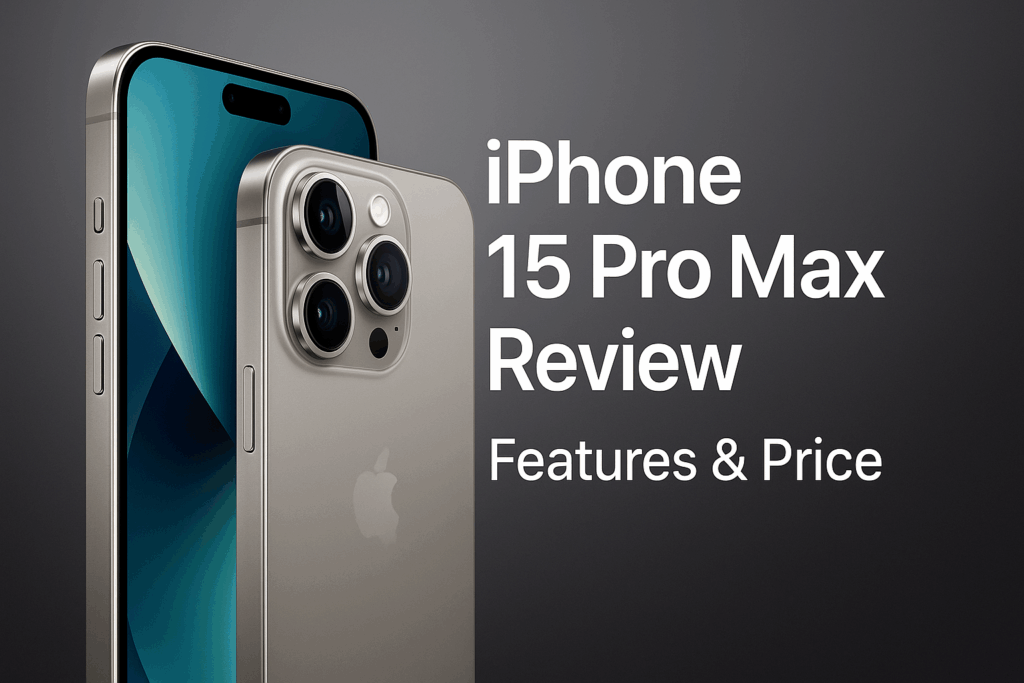
An eSIM is a built-in SIM chip within the phone that can be programmed remotely. It eliminates the need for a physical SIM card and supports seamless switching between carriers. Devices like the iPhone 14 series and Google Pixel 8 have adopted eSIM technology, and its use is becoming more widespread globally in 2025.
Advantages of Dual SIM
- Convenience: Easily switch between SIMs for local and international use.
- Cost-saving: Use local data plans when abroad to avoid roaming charges.
- Work-life balance: Separate personal and business numbers.
- Network flexibility: Choose the best network for different regions.
Advantages of eSIM
- Remote provisioning: Change carriers without visiting a store.
- Better durability: No physical slot means fewer moving parts.
- Security: Less prone to theft or loss.
- Space-saving: More internal space for other components.
Downsides of Dual SIM
- Limited support in some markets or networks.
- Bulkier hardware due to multiple slots.
- Manual SIM swapping still required in some cases.
Downsides of eSIM
- Not all carriers support eSIM yet.
- Setup can be more technical or require internet access.
- Travelers may struggle with providers that only issue physical SIMs.
Best Phones for eSIM and Dual SIM in 2025
Here are some of the top-rated smartphones in 2025 that offer flexible SIM options:
- iPhone 16 Series: Fully supports eSIM with dual eSIM capabilities.
- Samsung Galaxy S25 Ultra: Offers hybrid dual SIM slot with eSIM support.
- Google Pixel 9 Pro: eSIM-only variant for select markets.
- Xiaomi 14 Ultra: Dual SIM with global band support.
Which Setup Is Better for Travelers?
The choice depends on your travel style and destinations. If you often visit regions with strong eSIM adoption, going eSIM-only can simplify your experience. However, dual SIM phones offer unmatched flexibility in regions where physical SIM cards are still the norm.
eSIM Adoption in Different Regions
- North America: Rapid eSIM adoption with support from major carriers.
- Europe: Widespread support for eSIM and dual SIM devices.
- Asia: Mixed support; dual SIM remains popular.
- Africa: Dual SIM is more common due to carrier diversity and infrastructure.
Cost Considerations
Travelers looking to save money may prefer dual SIM setups that allow for use of local SIM cards with cheaper data plans. eSIMs may sometimes come with international roaming packages, but not all offer cost-efficient rates.
Security and Privacy
eSIMs offer better security in some cases as they are not physically removable. If your phone is lost or stolen, the eSIM remains intact and can be disabled remotely. However, dual SIM users can still benefit from two-factor authentication on different numbers.
Future Outlook
By the end of 2025, eSIM is expected to be the standard in many high-end phones. However, manufacturers are likely to retain dual SIM functionality in global models to cater to regions with less eSIM support.
Conclusion
eSIM and dual SIM technologies both offer great benefits for travelers in 2025. The choice comes down to carrier availability, personal preference, travel patterns, and cost. If flexibility and global compatibility are your priorities, a dual SIM phone might be best. But if you want a sleek, future-forward solution with remote management, eSIM is the way to go.
Which one do you use on your travels? Let us know in the comments below!