It’s that time of year again. The air crackles with digital excitement, YouTube feeds are saturated with slickly produced launch events, and tech blogs are ablaze with talk of “game-changing” features and “revolutionary” designs. The message, blasted from every corner of the internet, is clear: your current phone is now a relic. To stay relevant, to be at the cutting edge, you need the new flagship. You need the ₦1.5 million device with the AI-powered camera you don’t understand and the processor so fast it could probably calculate your taxes in a nanosecond. But what if this annual ritual of induced obsolescence is a trap? What if the smartest, most powerful move you can make in the smartphone market today is to ignore the hype completely?
I’m here to make a bold, almost heretical, statement in the world of tech: the best phone for most people in Nigeria right now is not the shiny new flagship of late 2025. It’s a humble, unassuming hero from last year. It’s a device that prioritizes practicality over prestige, and sufficiency over specifications. It’s last year’s undisputed budget champion, the Redmi 14C. And I’m here to tell you why, in the face of all the new competition, it isn’t just a good buy—it’s still the reigning king.
What Made the Redmi 14C a Legend? A Quick Recap
To understand why the 14C remains on the throne, we have to remember what made it a people’s champion in the first place. When it launched in 2024, it wasn’t designed to compete with the iPhones and Samsung Ultras of the world. It was designed to solve real-world problems for real-world people, and it did so with ruthless efficiency.
Its claim to fame, the feature that became legendary in group chats and online forums, was its colossal 6000mAh battery. This wasn’t just a big battery; it was a statement. It was a direct answer to the daily anxieties of life with an unpredictable power grid. It was, and still is, a legitimate two-day phone under normal use, a feature that provides more genuine peace of mind than any AI-powered widget ever could.
Then there was the camera. The 50MP main sensor was hailed as the king of its price bracket. No, it doesn’t have the fancy telephoto lenses or the arcane “photonic engine” of a new flagship. What it has is the ability to take crisp, vibrant, and instantly shareable photos in any decent lighting condition. For your Instagram posts, your family portraits, and your daily memories, it is more than good enough. It delivers where it counts.
Under the hood, its reliable MediaTek Helio G88 processor and ample RAM ensured that the daily experience was smooth. Navigating menus, switching between WhatsApp, your banking app, and YouTube—the core functions of a modern smartphone—all happen without a fuss. It was a perfectly balanced package that delivered 90% of the essential smartphone experience for about 20% of the flagship price. And today, with a year of depreciation, its price has dropped even further, making its value proposition almost unbeatable.
The Law of Diminishing Returns: What Are You Really Paying For in a 2025 Flagship?
The core of this argument rests on a simple economic principle: the law of diminishing returns. To understand why the 14C is still king, we have to honestly dissect what the extra ₦1.2 million for a new flagship actually gets you in 2025.
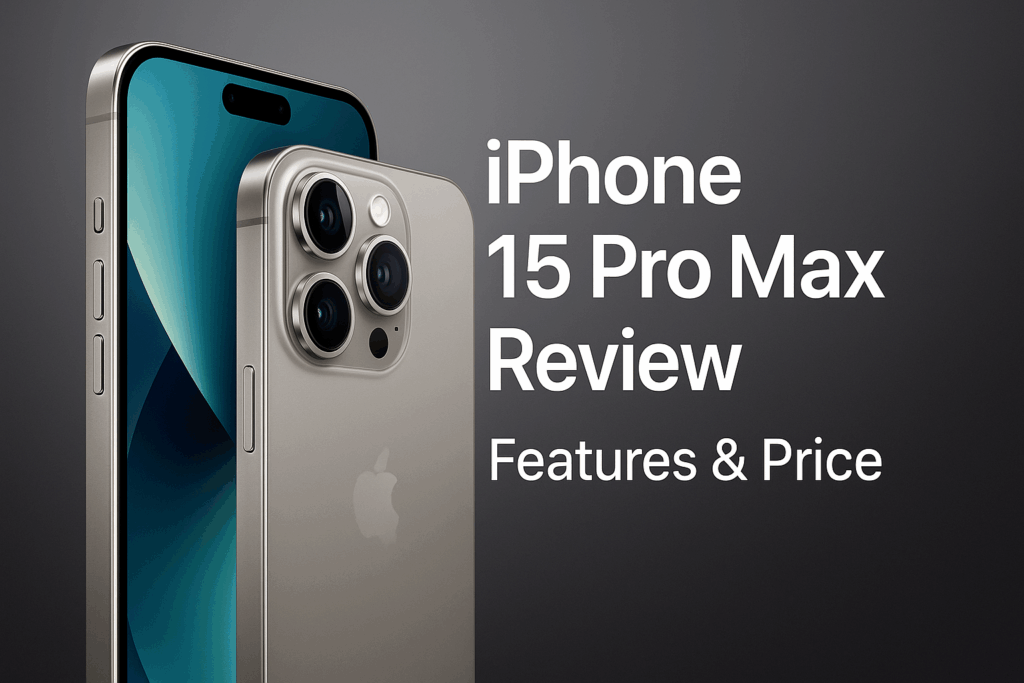
Performance: The new iPhone 17 Pro has an A19 Bionic chip. It is, without question, a technological marvel. It can render 8K video and play games with graphics that rival a PlayStation 5. But let’s be brutally honest: what are you doing with your phone? The most demanding task for a majority of users is probably applying a TikTok filter or having multiple browser tabs open. For these tasks, the performance gap between the Redmi 14C and a new flagship is functionally zero. You are paying a six-figure premium for horsepower you will never, ever use.
The Camera System: This is arguably the biggest differentiator. A new flagship will have a superior camera. Its low-light photos will be cleaner, and its 10x periscope zoom lens is genuinely impressive technology. It is a better camera. But the crucial question is, is it a million Naira better? Are you a professional photographer who needs that level of fidelity? Is the ability to take a slightly sharper photo in a dimly lit restaurant worth the price of a new laptop and a generator? For 99 out of 100 people, the answer is a resounding no. The 14C’s camera is excellent for well-lit conditions, which is where most of life happens.
The Display and “AI”: A new flagship will have a brighter, smoother 120Hz LTPO display. It is lovely to look at. It will also be packed with “new AI features,” like real-time translation or generative photo editing. These are cool party tricks. But they are luxury features, not essential tools. The 14C’s display is perfectly sharp and functional, and you can live a full and happy life without having your phone generate a poem about your breakfast. The incremental benefits you get from these flagship features are minuscule compared to their astronomical cost.
The “Lagos-Proof” Argument: Why the 14C Excels in the Real World
A phone’s true worth isn’t measured in a sterile lab; it’s measured on the bustling streets of Lagos, in the reality of our daily lives. And in this real-world test, the Redmi 14C isn’t just a competitor; it’s in a league of its own.
First and foremost is the battery. In a city where “NEPA has taken light” is a daily mantra, a phone’s ability to endure is its single most important feature. The 14C’s two-day battery life isn’t a convenience; it’s a lifeline. It means you can leave home with 60% charge and have no anxiety. It means you can navigate traffic for hours using Google Maps without frantically searching for a power bank. A flagship that boasts about its performance but dies by 7 PM is a sports car with an empty fuel tank—useless when you need it most.
Then there’s the profound peace of mind that comes with affordability. Carrying a ₦1.5M flagship in Lagos is a source of constant, low-grade stress. Every bump in a crowded market, every walk down a busy street, carries with it the fear of a costly accident or, worse, theft. A cracked flagship screen can cost upwards of ₦400,000 to repair—a catastrophic expense. The Redmi 14C, which can now be found for under ₦200,000, removes this fear. It is a dependable tool, not a piece of fragile crown jewelry. You can use it, live with it, and work with it without the crippling anxiety that you’re carrying a year’s worth of rent in your pocket.
Its sturdy plastic build is more forgiving than the stylish but shatter-prone glass backs of flagships, and its steadfast inclusion of true dual SIM slots and even a headphone jack in some models speaks to a design philosophy rooted in practicality, not just minimalist aesthetics.
The Opportunity Cost: What Else Could You Do With the Savings?
This is perhaps the most powerful argument for the 14C’s continued reign. The decision to buy a phone is not made in a vacuum. Every Naira spent on one thing is a Naira not spent on something else. This is called opportunity cost, and the opportunity cost of buying a new flagship in 2025 is staggering.
The price difference between a discounted Redmi 14C (approx. ₦180,000) and a new flagship (approx. ₦1,500,000) is a life-altering ₦1.32 million. Let’s pause and consider what that sum of money represents in Nigeria today:
- It could cover the rent for a decent apartment in many parts of Lagos for a full year.
- It’s more than enough to buy a reliable laptop for work, a small generator for your home, and the fuel to run it for months.
- It’s seed capital to start a small business or a significant investment into an existing side hustle.
- It could pay for a professional certification or course that could dramatically increase your earning potential.
- It represents a significant safety net, a buffer against unexpected emergencies for you and your family.
When you frame the choice this way, it becomes almost absurd. Is a slightly smoother scroll and a better zoom camera worth sacrificing a year of financial security or the capital to build your future? The new flagship might improve your photos, but the money saved by buying the Redmi 14C can improve your entire life.
But What About the Downsides? An Honest Look at the Trade-offs
To be clear, the Redmi 14C is not a perfect phone. Championing its value requires being honest about its compromises. It is an older device, and its software support will end sooner than a brand-new phone’s. This is a legitimate security consideration for those who plan to keep their device for many years. It is not the right phone for a hardcore gamer who wants to play Genshin Impact at 60fps with all the graphics maxed out. And its camera will absolutely struggle to produce a clean, bright photo in a poorly lit restaurant at night.
And yes, there is the status factor. In a society where perception matters, showing up with last year’s budget phone doesn’t carry the same weight as pulling out the latest, most expensive iPhone. If that social signaling is a top priority for you, then the 14C is not your king.
But for the vast majority of users, these trade-offs are incredibly minor when weighed against the monumental benefits of financial savings and real-world practicality. The software is secure enough for the next couple of years, the performance is fine for 99% of apps, and a little bit of light is all the camera needs to work its magic.
Conclusion: The King is Dead, Long Live the King
The new 2025 flagships are impressive. They are monuments to what is technologically possible. But in their relentless push for more—more power, more features, more megapixels—they have lost sight of what most people actually need. They have become luxury goods, priced into the stratosphere and disconnected from the practical realities of everyday life.
The true king of the smartphone world isn’t the device with the most impressive spec sheet, but the one that offers the most empowering value proposition. The Redmi 14C’s reign is built on a different kind of power: the power of sufficiency. It is a declaration that “good enough” is not a compromise; it’s a smart, deliberate choice. It provides a fantastic core experience and frees you from the financial and psychological burden that comes with owning an ultra-expensive gadget.
Before you get swept up in the marketing wave for the next big thing, ask yourself what you truly need your phone to do, and what you truly need your money to do. For most of us, the answer will lead us not to the glitzy launch event, but to the proven, reliable, and undisputed king of value. In the world that matters, the Redmi 14C still wears the crown.