In the hyper-competitive arena of flagship smartphones, the battle for supremacy is waged on many fronts. We obsess over processor speeds, camera megapixels, and battery life. But for all the internal power, the primary ways we interact with these pocket-sized supercomputers are through touch and sight. The feeling of the device in your hand and the quality of the image that greets your eyes define the user experience. This is the realm of design and display – the art and science of crafting a device that is both a joy to hold and a marvel to behold. As we move through 2025, this duel has reached a new zenith, with manufacturers pushing the boundaries of material science and screen technology to deliver ever more immersive and stunning visual experiences, centered around the magic of 4K.
But what does “4K-capable” truly mean in your pocket? It’s a term that has become as ubiquitous as it is misunderstood. This isn’t just a numbers game of cramming more pixels onto a small screen; it’s a holistic experience encompassing resolution, color fidelity, breathtaking brightness, and fluid motion, all wrapped in a design that feels both futuristic and fundamentally right. Today, we’re staging the ultimate design and display duel. We’ll dissect the philosophies behind the industry’s titans – the anticipated Samsung Galaxy S25 Ultra, the ever-elegant Apple iPhone 17 Pro Max, and the niche champion of resolution, the Sony Xperia 1 VII. We will explore their design ethos, scrutinize every pixel, and declare which device rightfully earns the crown for the best 4K-capable screen in 2025.
Defining the Arena: What Makes a 4K-Capable Screen in 2025?
Before our champions enter the ring, we must first define the rules of engagement. The term “4K” can be misleading. While your living room TV may have a native 4K resolution (3840 x 2160 pixels), very few phones actually boast this. The only manufacturer consistently pursuing this is Sony. For most others, “4K-capable” refers to something different but equally important.
It’s the ability of a smartphone’s screen, typically a Quad HD+ (QHD+) display with a resolution around 3200 x 1440 pixels, to process and correctly display 4K HDR content. The phone’s powerful chipset downscales the 4K video to fit its native resolution, but crucially, it retains the High Dynamic Range (HDR) information. This means you get the expanded color gamut, contrast, and brightness information that makes 4K content look so spectacular. A great 4K-capable screen in 2025 is a symphony of cutting-edge technologies:
- Resolution & Pixel Density: While native 4K is the unicorn, a high QHD+ resolution (upwards of 500 pixels per inch) is essential for razor-sharp text and images where individual pixels are invisible to the naked eye.
- Brightness (Nits): Peak brightness is the new battleground. A screen’s ability to get incredibly bright, measured in nits, is crucial for two things: viewing HDR content as the director intended, with dazzling highlights, and maintaining perfect legibility outdoors under direct sunlight. In 2025, flagship screens are pushing beyond 3,000 nits.
- Refresh Rate (LTPO 3.0+): A high refresh rate (120Hz or more) makes scrolling and animations feel buttery smooth. The latest LTPO (Low-Temperature Polycrystalline Oxide) technology is a game-changer, allowing the screen to dynamically adjust its refresh rate from as low as 1Hz (for static images, saving battery) to its peak, offering fluidity without compromise.
- Color Accuracy & Gamut (DCI-P3, BT.2020): A great screen must reproduce colors faithfully. Flagship displays now cover 100% of the DCI-P3 color gamut used in cinema and are pushing towards the even wider BT.2020 standard. This means deeper reds, more vibrant greens, and richer blues.
- Durability & Design Integration: A screen is only as good as its protection. The latest generation of Corning’s Gorilla Glass (or Apple’s Ceramic Shield) offers unprecedented scratch and drop resistance. Furthermore, how the display is integrated into the phone’s design—with minimal bezels, elegant curves, or a functional flat profile—is paramount.
The Champions: A Clash of Design and Display Philosophies
Samsung Galaxy S25 Ultra: The Master of Vibrant Immersion
The Design: Samsung’s “Ultra” philosophy is one of unapologetic excellence and refinement. The S25 Ultra is expected to continue this trend, likely featuring a chassis crafted from a next-generation titanium alloy, offering superior strength while maintaining a manageable weight. The design is stark and monolithic, with sharp, clean lines and a flat back that emphasizes its camera prowess. The key design element is its massive, nearly bezel-less display that subtly curves at the edges. This curve is less pronounced than in years past, a deliberate choice to maximize the flat, usable area for the S Pen stylus while still providing an immersive, edge-to-edge viewing experience. The focus is on minimizing distractions and letting the display be the hero.
The Display: Samsung Display is the industry leader, and the S25 Ultra is its showcase. It will feature a massive Dynamic AMOLED 2X display, likely around 6.8 inches. While it sticks to a QHD+ resolution (approx. 3120 x 1440), it excels everywhere else. It is expected to be the brightest screen on the market, with a peak HDR brightness potentially touching an astonishing 3,500 nits. The LTPO 3.0+ panel will offer a seamless 1-120Hz variable refresh rate. Where Samsung truly shines is in its color science. The “Vivid” mode offers those signature punchy, saturated colors that make content pop, while its “Natural” mode is calibrated for professional-grade color accuracy within the DCI-P3 space. A new anti-reflective coating is also expected, designed to dramatically reduce glare and make it the undisputed king of outdoor visibility.
Apple iPhone 17 Pro Max: The Artisan of Balanced Elegance
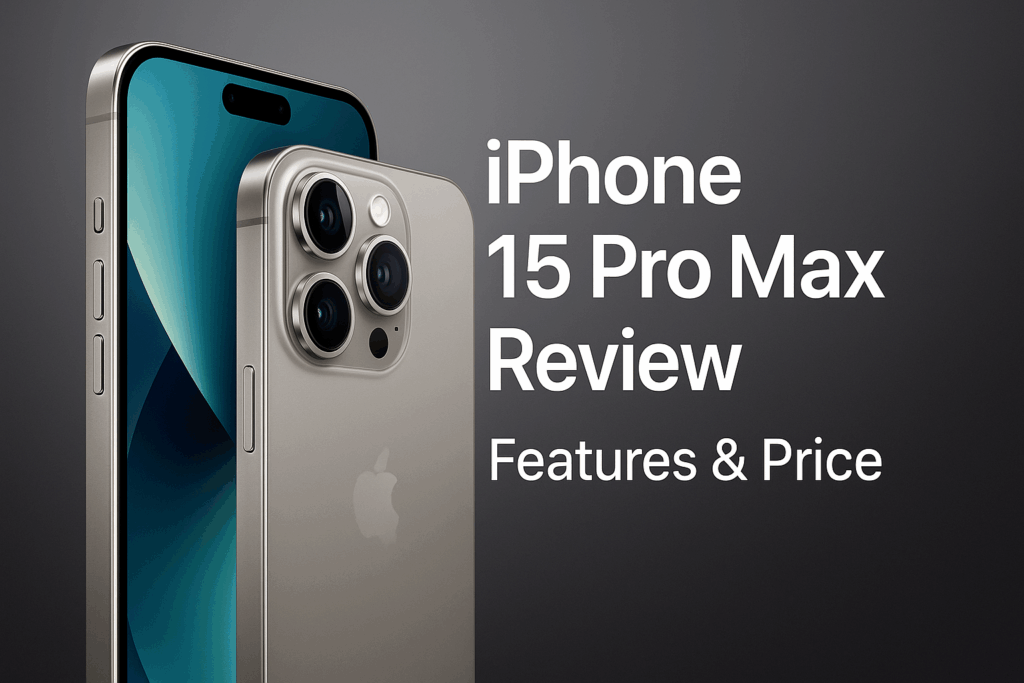
The Design: Apple’s design is an exercise in meticulous iteration. The iPhone 17 Pro Max will likely build upon the refined titanium frame of its predecessors, perhaps with even more sophisticated finishes and colors. Apple’s focus is on ergonomic comfort and a feeling of dense, premium quality. The flat edges provide a secure grip, while the subtly contoured rails ensure it doesn’t feel sharp in the hand. The biggest design story for the 17 Pro series is the anticipated move to a smaller, less obtrusive “hole-punch” style cutout for the front camera, finally moving on from the Dynamic Island’s larger footprint. This change will mark a significant step towards Apple’s ultimate goal of an all-screen iPhone, making the front face more seamless and immersive than ever before.
The Display: Apple calls its screen a “Super Retina XDR display,” and it is a masterpiece of calibration. While Apple sources its panels from Samsung and LG, it applies its own stringent standards. The 6.9-inch display will feature a resolution slightly below QHD+, but Apple’s pixel rendering and anti-aliasing are so superb that sharpness is never in question. The focus here is on realism and color fidelity. Apple’s color management is system-wide, ensuring that colors are displayed accurately across all apps. The screen offers a peak HDR brightness that is expected to rival Samsung’s, likely in the 3,000-nit range. Its ProMotion technology (Apple’s name for LTPO) delivers a fluid 1-120Hz experience. Protected by the industry-leading Ceramic Shield, the iPhone’s display is a testament to the idea that a screen’s quality is about more than just the highest numbers; it’s about a perfectly balanced and true-to-life experience.
Sony Xperia 1 VII: The Purist’s Choice for Unrivaled Resolution
The Design: Sony marches to the beat of its own drum, and the Xperia 1 VII is a beautiful testament to this. The design is tall, narrow, and uncompromisingly utilitarian, inspired by its Alpha camera division. It retains the signature 21:9 aspect ratio, making it feel more like a cinema screen in your hand. The design is professional and purposeful, with flat sides, a dedicated two-stage shutter button for the camera, and, in a move celebrated by audiophiles, the retention of the 3.5mm headphone jack. It doesn’t chase the trend of curved edges or minimal bezels to the same degree as its rivals. Instead, it offers a perfectly flat screen with slight top and bottom bezels to house front-firing stereo speakers, prioritizing a distortion-free viewing experience and superior audio.
The Display: This is Sony’s ace. The Xperia 1 VII will be the only phone on this list—and likely on the market—to feature a true, native 4K HDR OLED display (3840 x 1644 pixels). On a 6.5-inch screen, this results in an insane pixel density of over 640 PPI. For viewing native 4K content, there is simply no equal; the level of detail is breathtaking. Sony leverages its Bravia TV expertise, offering a “Creator Mode” powered by CineAlta that aims to reproduce colors exactly as filmmakers intended, supporting the BT.2020 color gamut. While its peak brightness might not reach the dazzling heights of Samsung or Apple, expected to be around 2,000 nits, its focus is on fidelity. The 120Hz refresh rate is smooth, but it may lack the full 1Hz-120Hz variability of its LTPO rivals. The Xperia 1 VII screen isn’t trying to be the brightest or the flashiest; it is singularly focused on being the most technically accurate and detailed cinematic display ever put in a smartphone.
Head-to-Head: The Ultimate Display Duel
| Feature | Samsung Galaxy S25 Ultra | Apple iPhone 17 Pro Max | Sony Xperia 1 VII |
|---|---|---|---|
| Resolution | QHD+ (~3120 x 1440) | Super Retina XDR (~2796 x 1290) | 4K Native (3840 x 1644) |
| Pixel Density | ~505 PPI | ~460 PPI | ~643 PPI |
| Peak Brightness | ~3,500 nits (Expected) | ~3,000 nits (Expected) | ~2,000 nits (Expected) |
| Refresh Rate | 1-120Hz LTPO 3.0+ | 1-120Hz LTPO (ProMotion) | 120Hz (Limited Variability) |
| Key Feature | Unmatched Brightness & Colors | Perfect Color Calibration & Ecosystem | True Native 4K Resolution |
Round 1: The Cinematic Video Experience
For settling in to watch a Hollywood blockbuster on Netflix or a stunning 4K HDR documentary on YouTube, the choice is tough. The Sony Xperia 1 VII takes an early lead for purists. Watching native 4K content on its 4K screen is a revelatory experience. The detail is unparalleled. However, the Samsung Galaxy S25 Ultra counters with its sheer spectacle. Its vastly superior brightness means HDR highlights—like explosions, sunsets, and reflections—pop with an intensity that the Sony simply cannot match. The vibrant colors and deep blacks of its Dynamic AMOLED panel create a breathtakingly immersive picture. While the iPhone 17 Pro Max offers a beautifully balanced picture, it’s the duel between Sony’s detail and Samsung’s dazzling HDR performance that defines this category.
Round 2: The Content Creator’s Canvas
For professionals editing photos or color-grading videos on the go, accuracy is everything. Here, the race is between Apple and Sony. The Apple iPhone 17 Pro Max, with its system-wide color management and true-to-life calibration, is the industry standard for a reason. What you see on the iPhone’s screen is incredibly close to how it will look on other calibrated displays. The Sony Xperia 1 VII’s Creator Mode is equally impressive, offering granular control and reference-level accuracy, especially for video workflows aligned with Sony’s camera ecosystem. The Samsung, while having a ‘Natural’ mode, can sometimes feel a step behind in absolute fidelity compared to the obsessive calibration of its rivals. For creators who need to trust the colors on their screen, Apple and Sony are in a class of their own.
Round 3: The Ultimate Gaming Screen
Gaming demands a combination of brightness, responsiveness, and smoothness. In this arena, the Samsung Galaxy S25 Ultra pulls ahead. Its world-beating brightness ensures that even dark scenes in games are clear and visible. The vibrant colors make gaming worlds feel more alive, and the ultra-responsive touch sampling rate gives it a competitive edge. The iPhone 17 Pro Max is an exceptional gaming device, with a massive library of optimized titles on the App Store. However, the sheer visual punch and outdoor playability of the Samsung screen give it the win. The Sony’s 21:9 aspect ratio offers a wider field of view in many games, which is a neat advantage, but its lower brightness holds it back from being the top contender for all-around gaming.
The Verdict: Crowning the 2025 Display Champion
After a grueling duel, it’s clear that there is no single “best” screen. The champion depends entirely on your priorities. Each of these devices represents the pinnacle of a different display philosophy.
The Cinephile’s Choice: Sony Xperia 1 VII
If your primary use case is consuming high-bitrate, native 4K video content, and you value absolute detail and filmmaker intent above all else, the Sony Xperia 1 VII is your undisputed champion. Its 4K display is a technical marvel that no other phone can match. It’s a niche choice, but for that niche, it is perfect.
The Creator’s Tool: Apple iPhone 17 Pro Max
For photographers, videographers, and digital artists who demand unimpeachable color accuracy and a screen that serves as a reliable reference monitor, the iPhone 17 Pro Max is the ultimate tool. Its combination of elegant design, a beautifully calibrated display, and a powerful creative ecosystem makes it the professional’s choice.
The All-Around Heavyweight Champion: Samsung Galaxy S25 Ultra
For the user who wants the best of all worlds—a screen that dazzles in every scenario—the Samsung Galaxy S25 Ultra takes the crown. It is the brightest, most vibrant, and most visually impressive display for everyday use. From watching HDR movies to playing the latest games and scrolling through social media, its combination of peak brightness, vivid color, and immersive design is simply unmatched. It delivers the most spectacular visual punch and is, for the majority of people, the most impressive 4K-capable screen you can get in 2025.