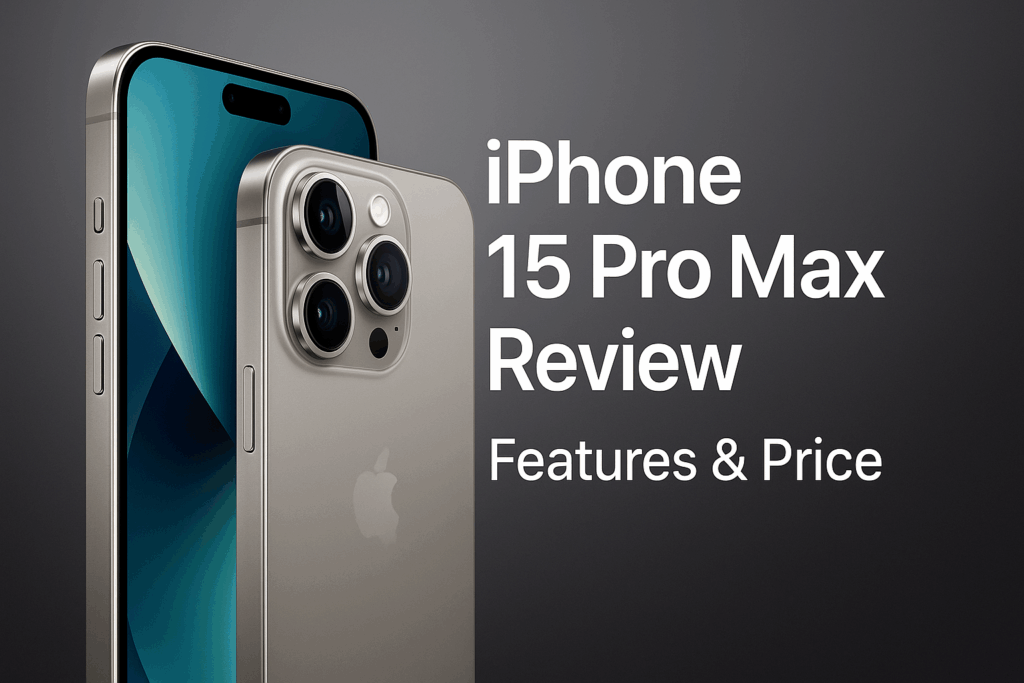
In the dynamic tech landscape of 2025, Android flagships have made significant strides. They boast stunning high-refresh-rate displays, versatile camera systems with incredible zoom capabilities, and blazing-fast charging speeds. Yet, when the conversation turns to raw processing power and seamless, optimized performance, one name consistently rises to the top: Apple. With the launch of the iPhone 16 Pro, the question isn’t just whether it’s a good phone, but whether its silicon superiority continues to hold its crown against the ever-improving Android elite. In a market saturated with powerful devices, why does Apple’s in-house chip design still give it a distinct and often undeniable edge?
For years, the narrative around Android performance revolved around the specifications race – more cores, higher clock speeds, and larger amounts of RAM. While these contribute to the overall experience, Apple has quietly pursued a different strategy: tight vertical integration. By designing their own A-series chips in tandem with their iOS operating system, they’ve created a level of optimization that Android manufacturers, relying on third-party chipmakers like Qualcomm and MediaTek, often struggle to match. This deep synergy translates to real-world performance benefits that extend far beyond benchmark numbers. In Lagos, where demanding apps, multimedia consumption, and efficient multitasking are crucial for both work and leisure, this difference in optimization can have a tangible impact on the daily user experience.
The Apple Silicon Advantage: A Deep Dive
Apple’s A-series chips, like the rumored A19 Bionic powering the iPhone 16 Pro, are Systems on a Chip (SoCs) that integrate the CPU, GPU, Neural Engine (for AI and machine learning), and various other components onto a single die. This unified design allows for faster communication between different parts of the system and more efficient power management.
Custom CPU Architecture
While Android flagships often boast more CPU cores, Apple’s focus is on the performance of each individual core. Their custom-designed CPU architectures consistently outperform ARM’s reference designs used by Qualcomm and MediaTek in single-core and often multi-core tasks. This translates to snappier app launches, smoother multitasking, and faster responsiveness in everyday use. Even when an Android phone has more cores, the sheer power and efficiency of Apple’s cores often give the iPhone a noticeable advantage in demanding scenarios.
Integrated GPU Power
The GPU integrated into Apple’s A-series chips is another area of significant strength. Apple designs its own GPU architecture optimized for the Metal graphics API used in iOS. This tight integration leads to exceptional graphics performance in games and visually intensive applications. While Android GPUs have improved significantly, Apple often maintains a lead in raw graphical horsepower and efficiency, delivering smoother frame rates and better visual fidelity, crucial for the growing mobile gaming community in Nigeria.
The Neural Engine: AI and Machine Learning Mastery
The dedicated Neural Engine in Apple’s chips is a key differentiator in the age of AI-powered features. It accelerates machine learning tasks like image recognition, natural language processing, and on-device AI functionalities. This enables features like advanced computational photography, intelligent Siri capabilities, and real-time language translation to perform faster and more efficiently on the iPhone 16 Pro compared to some Android counterparts that may rely more heavily on the main CPU or a less optimized NPU.
Memory and Storage Optimization
Apple tightly controls the integration of RAM and storage in their devices. While Android flagships often boast higher amounts of RAM, iOS is designed to manage memory very efficiently. The combination of fast LPDDR5X RAM and tightly optimized software means the iPhone 16 Pro can often deliver a similarly smooth multitasking experience with less RAM compared to some Android competitors. Furthermore, Apple’s control over storage architecture contributes to fast read and write speeds, further enhancing overall responsiveness.
iOS Optimization: The Secret Sauce
The power of Apple’s chips is amplified by the fact that they are designed specifically to run iOS. This allows for an unparalleled level of software optimization that Android manufacturers, who need to support a wide range of hardware configurations, simply cannot achieve.
Tailored Software for Custom Hardware
Apple’s developers have intimate knowledge of the underlying hardware, allowing them to fine-tune iOS to take full advantage of the A19 Bionic’s capabilities. This results in smoother animations, more efficient resource management, and better overall system stability. In contrast, Android manufacturers often need to adapt Google’s operating system to their specific hardware, which can sometimes lead to fragmentation and less-than-optimal performance on certain devices.
Efficient Resource Management
iOS is known for its efficient handling of background processes and memory management. This contributes to better battery life and ensures that the phone remains responsive even when multiple apps are running in the background. This efficiency is particularly valuable in regions like Nigeria where consistent access to power can be a concern.
Seamless Ecosystem Integration
The tight integration between Apple’s hardware and software extends beyond just performance. It enables seamless integration with other Apple devices and services, creating a cohesive ecosystem that many users find incredibly convenient. Features like Handoff, AirDrop, and Universal Clipboard work flawlessly because Apple controls both ends of the equation.
The Android Elite: Closing the Gap?
While Apple maintains a performance lead, the Android elite, powered by the latest Snapdragon and MediaTek Dimensity chips, are undoubtedly powerful. In many everyday tasks, the speed difference between a top-tier Android flagship and the latest iPhone might be negligible. Android manufacturers have also made significant strides in software optimization, with cleaner and more efficient custom ROMs.
Where Android Excels
Android’s open nature allows for greater customization and flexibility. Features like expandable storage, more open file systems, and a wider variety of hardware designs cater to diverse user preferences. In areas like fast charging and display technology, some Android flagships often lead the way.
The Ongoing Battle for Supremacy
The competition between Apple and the Android elite drives innovation in the entire mobile industry. Qualcomm and MediaTek continuously push the boundaries of their chip designs, and Android manufacturers are increasingly focusing on tighter software integration. The performance gap has narrowed over the years, and in certain specific tasks, some Android phones might even outperform the iPhone.
Real-World Impact in the Nigerian Context
For users in Nigeria, the performance differences between the iPhone 16 Pro and the Android elite translate into tangible benefits and drawbacks:
iPhone 16 Pro Advantages:
- Smooth Multitasking: Efficient memory management ensures a fluid experience when switching between various apps, crucial for busy professionals in Lagos.
- Demanding Applications: The powerful A19 Bionic excels in running resource-intensive apps for video editing, graphic design, and complex games, catering to the growing creative community.
- Longevity and Software Updates: Apple’s consistent and long-term software update policy, coupled with its optimized hardware, often results in iPhones feeling faster and more responsive for a longer period compared to some Android devices.
Android Elite Advantages:
- Openness and Customization: Android’s flexibility allows users to tailor their devices to their specific needs and preferences, popular among tech-savvy Nigerians.
- Versatile Hardware: A wider range of designs and features, like expandable storage and different camera configurations, provides more choice to consumers.
- Competitive Pricing (in some segments): While top-tier Android flagships can be expensive, the Android ecosystem offers a wider range of powerful devices at various price points.
Conclusion: The Optimization Edge Continues
In 2025, the Android elite have undoubtedly produced incredibly powerful smartphones. They excel in many areas and offer compelling alternatives to the iPhone. However, Apple’s unwavering commitment to vertical integration, designing its own silicon and tightly optimizing it for the iOS operating system, continues to provide a distinct advantage in terms of raw processing power and seamless performance. The iPhone 16 Pro, powered by the rumored A19 Bionic, is poised to maintain this dominance, offering a level of speed and efficiency that the Android competition, while formidable, still strives to consistently match. For users who prioritize smooth, reliable performance in demanding tasks and appreciate the long-term optimization benefits of the Apple ecosystem, the iPhone 16 Pro remains the king of the hill in the silicon showdown.