When it comes to Android smartphones, one of the most overlooked but critical features is the longevity of software updates. As mobile technology continues to advance, the conversation has shifted beyond specs and camera performance to software longevity. In this blog post, we dive deep into the Android update landscape and identify which phone truly leads the 5-year update challenge.
Why Software Updates Matter
Software updates are not just about new features—they’re critical for security, performance, compatibility, and user experience. Frequent updates can extend the lifespan of a smartphone and provide users with peace of mind. Inconsistent update policies among manufacturers often leave users vulnerable to security threats or outdated features.
The Importance of the 5-Year Benchmark
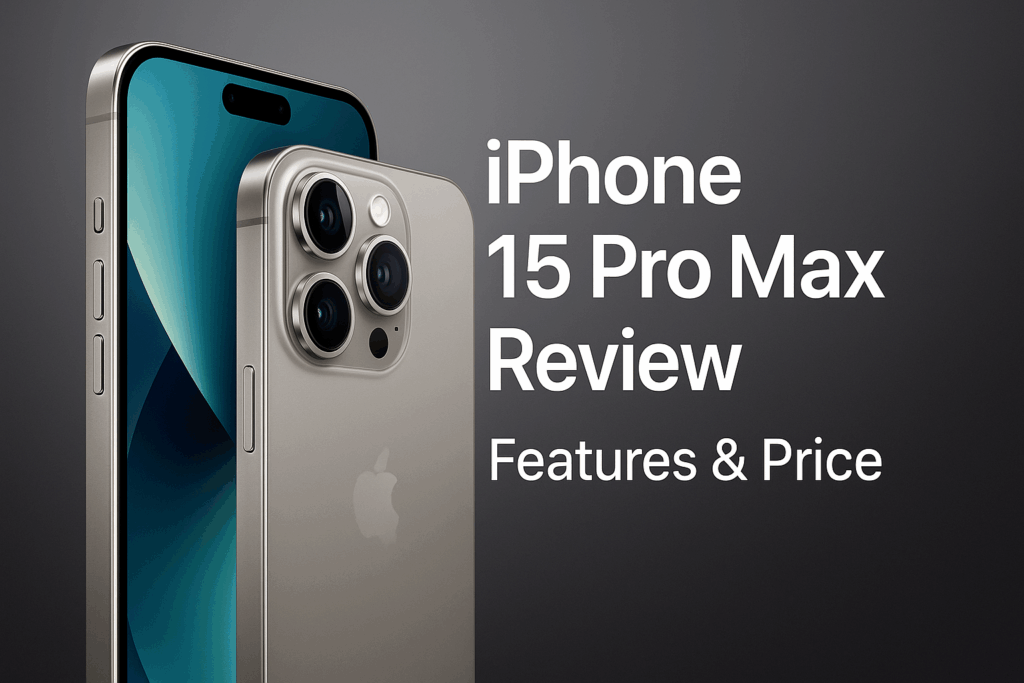
Five years is a meaningful benchmark in the smartphone world. It’s long enough to significantly reduce electronic waste and ensure that users receive a return on their investment. Apple has long dominated this aspect with its iPhones, but Android manufacturers are beginning to catch up.
Top Contenders for the 5-Year Update Crown
1. Google Pixel Series
Google’s Pixel line is the gold standard in Android updates. With the release of the Pixel 8 and Pixel 8 Pro, Google promised 7 years of OS and security updates—a milestone for Android. These phones receive day-one Android releases and monthly security patches.
2. Samsung Galaxy S and Fold Series
Samsung has made significant strides in software updates. Its flagship models, like the Galaxy S24 Ultra and Z Fold5, now receive up to 4 years of Android OS updates and 5 years of security patches. Samsung’s One UI is regularly updated to bring new features to older devices.
3. OnePlus Flagships
OnePlus, now under the same umbrella as Oppo, has started extending its update commitments. The OnePlus 12 promises 4 years of major Android updates and 5 years of security updates—on par with Samsung but behind Google.
4. Fairphone 5
The Fairphone 5 deserves mention not only for its ethical production but also for its software support. Fairphone promises 8 years of software updates, with a goal of 10 years. While not the fastest performer, its longevity is unmatched in the Android space.
5. ASUS and Sony
Brands like ASUS (ROG Phone series) and Sony (Xperia line) offer powerful hardware but fall short in long-term software support. Typically offering only 2–3 years of updates, they lag behind their competitors.
How Manufacturers Compare on the 5-Year Scale
Looking at the broader Android ecosystem, very few brands match the consistency and reliability offered by Google and Samsung. Mid-range and budget phones tend to suffer even more, often seeing just 1 or 2 updates before being forgotten.
What About Security Patches?
Security patches are equally important, and most manufacturers treat them separately from OS updates. A phone that doesn’t receive OS upgrades might still get monthly or quarterly security patches, but the effectiveness depends on the timeliness and duration of these patches.
Factors That Influence Update Longevity
- Chipset support by Qualcomm or MediaTek
- Carrier restrictions in certain countries
- Region-specific firmware versions
- Custom vs. stock Android skin
What Consumers Can Do
Before buying a phone, research the manufacturer’s update policy. Choose brands with a proven track record and published commitments. Tools like Android Enterprise Recommended (AER) can help identify models with strong support.
Conclusion: The 2025 Champion
In 2025, the clear winner of the 5-Year Update Challenge is the Google Pixel 8 series. With 7 years of OS and security support, it not only sets a new standard but also pressures other brands to follow suit. Samsung is a close second, followed by Fairphone for users who prioritize sustainability.
As more consumers become aware of software longevity, we hope to see longer commitments become the norm rather than the exception in Android phones.
Stay tuned to Gistbaz.com.ng for more in-depth phone reviews, update policies, and tech tips that matter to you.