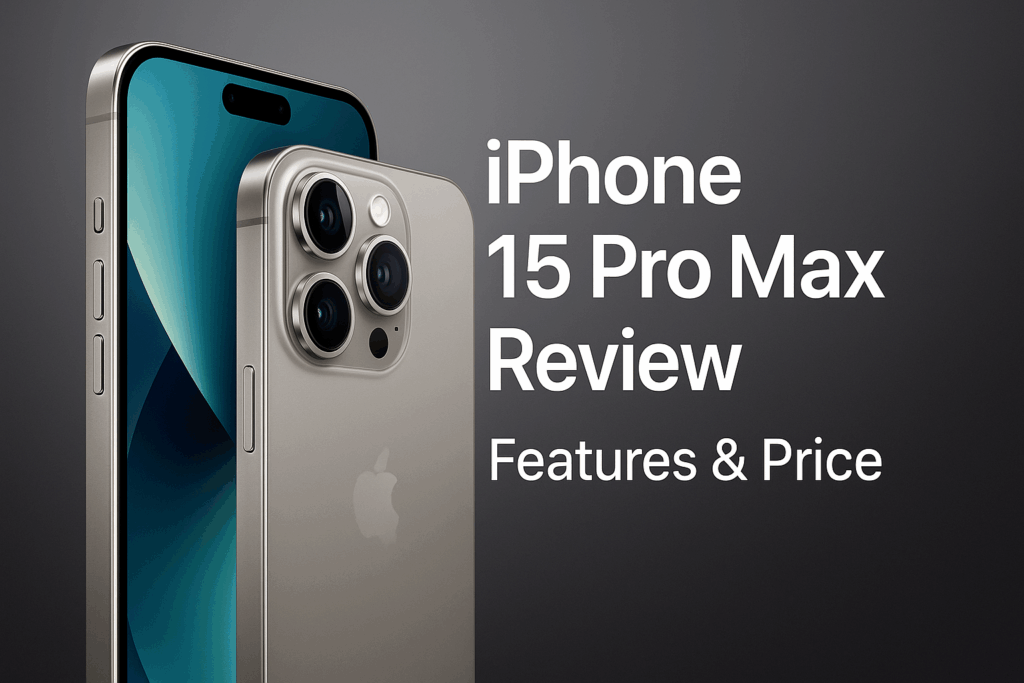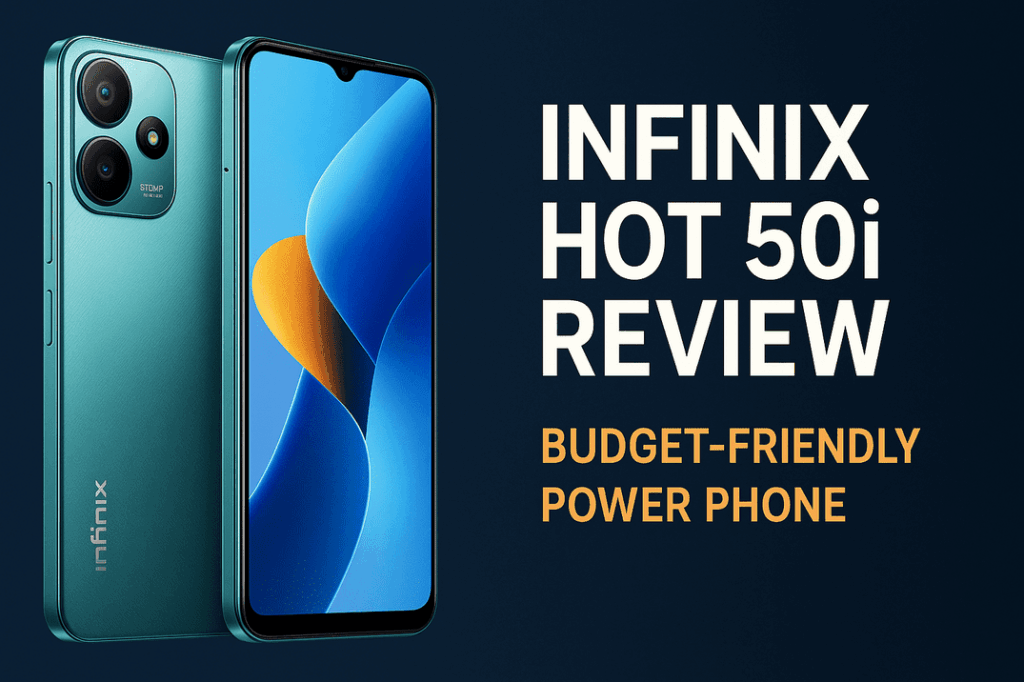
The rivalry is legendary, a clash of titans that has shaped the very landscape of the mobile world. In the bustling tech hubs of Lagos, from the vibrant markets of Computer Village to the sleek showrooms in upscale malls, the debate rages on: Apple or Samsung? Which of these two tech behemoths will emerge as the dominant force in the Nigerian smartphone market, and indeed globally, in the year 2025?
This isn’t just a battle of brands; it’s a contest of ecosystems, innovation strategies, and marketing muscle. Both Apple and Samsung have cultivated fiercely loyal customer bases in Nigeria, each with its own set of compelling arguments. Apple, with its premium image, seamless iOS experience, and powerful ecosystem, commands a significant presence among affluent consumers. Samsung, with its wider range of devices catering to diverse budgets, its cutting-edge display technology, and its deep penetration across various market segments, holds a strong grip on the overall market share.
As we look ahead to 2025, the dynamics of this ongoing competition are poised to evolve further. New technologies, shifting consumer preferences, and strategic moves from both companies will play a crucial role in determining who will ultimately claim the crown. Join us as we delve into the key factors that will influence the Apple vs Samsung showdown in 2025, analyzing their strengths, weaknesses, and the potential game-changers that could tip the scales in this high-stakes battle for smartphone supremacy. 📱🥊
The Power of the Ecosystem: Apple’s Walled Garden
Apple’s strength lies in its tightly integrated ecosystem. The seamless interoperability between iPhones, iPads, Macs, Apple Watches, and AirPods creates a stickiness that is hard for users to break free from.
- iOS and Software Updates: The consistent and timely software updates across all eligible Apple devices are a major advantage. This ensures users always have the latest features and security patches, contributing to a smoother and more secure experience. In Nigeria, where software fragmentation can be an issue with some Android brands, this consistency is highly valued.
- App Store and Developer Ecosystem: The App Store remains a powerhouse, attracting top-tier developers who often prioritize iOS for their latest and most innovative apps. This gives iPhone users access to a vast library of high-quality applications.
- Brand Loyalty and Premium Image: Apple has cultivated a strong brand image associated with quality, design, and exclusivity. This resonates with a segment of the Nigerian population that values premium products and status symbols.
- Focus on Privacy and Security: Apple’s increasing emphasis on user privacy and security is a key differentiator that appeals to privacy-conscious consumers.
Challenges for Apple in Nigeria:
- Price Point: iPhones typically come with a higher price tag compared to many Android devices, making them less accessible to a larger segment of the Nigerian market, where affordability is a major factor.
- Limited Customization: The closed nature of iOS offers less customization compared to Android, which might be a drawback for users who like to personalize their devices extensively.
- Repair Costs: Repairs for iPhones can often be more expensive than for some Android counterparts, which can be a concern in a market where cost-effectiveness is important.
Samsung’s Broad Appeal: Catering to Every Segment
Samsung’s strategy revolves around offering a wide range of smartphones across various price points, from entry-level models to ultra-premium flagships, ensuring they cater to a broader spectrum of consumers in Nigeria.
- Diverse Product Portfolio: Samsung’s extensive lineup means they have a phone for almost every budget and need. This allows them to capture significant market share across different economic segments in Nigeria.
- Cutting-Edge Display Technology: Samsung is a world leader in display technology, and their vibrant and high-quality AMOLED screens are a major draw for consumers.
- Feature-Rich Android Experience: Samsung’s One UI offers a feature-rich Android experience with a strong emphasis on customization and multitasking capabilities.
- Strong Retail Presence and Marketing: Samsung has a robust retail network and invests heavily in marketing campaigns across Nigeria, ensuring high visibility for their products.
- Ecosystem Expansion: Samsung is also building its own ecosystem of connected devices, including smartwatches, earbuds, and tablets, aiming to create a more integrated user experience.
Challenges for Samsung:
- Software Update Consistency (Historically): While Samsung has made significant improvements, historically, their software update rollout across their vast range of devices hasn’t always been as consistent as Apple’s. However, their recent commitment to longer update cycles is a positive step.
- Competition in the Mid-Range: Samsung faces intense competition in the mid-range segment from other Android manufacturers like Xiaomi, Tecno, and Infinix, who often offer comparable specifications at more aggressive prices.
- Brand Perception (Varies by Segment): While their flagship devices are highly regarded, their budget and mid-range offerings sometimes face perception challenges compared to competitors known for value.
Key Battlegrounds in 2025:
The battle for smartphone dominance in 2025 will be fought on several key fronts:
- The Premium Segment: Both Apple and Samsung will fiercely compete for the high-end of the market with their flagship devices, showcasing their latest innovations in camera technology, performance, and design. Features like foldable displays (for Samsung) and the allure of the latest iOS (for Apple) will be key differentiators.
- The Mid-Range Market: This is a crucial battleground in Nigeria, where affordability is paramount for a large segment of consumers. Samsung will need to fend off strong competition from other Android players who offer compelling value propositions.
- 5G Adoption: As 5G infrastructure continues to expand in Nigeria, both companies will be looking to capitalize on this trend with a wide range of 5G-enabled devices across different price points. The speed and low latency of 5G could drive demand for new applications and services.
- Foldable Phones: Samsung has been a pioneer in the foldable market. In 2025, the maturity and potential price reductions of foldable devices could make them more appealing to a wider audience, giving Samsung an edge if Apple doesn’t enter this space.
- Ecosystem Integration: The strength and seamlessness of each company’s ecosystem will play an increasingly important role in consumer choice. Users deeply invested in one ecosystem are often reluctant to switch.
- Software and Services: Beyond the operating system itself, the quality of pre-installed apps, cloud services, and subscription offerings will be another area of competition.
Potential Game-Changers in 2025:
Several factors could potentially disrupt the existing balance and influence the market share in 2025:
- Significant Technological Breakthroughs: A radical innovation from either company, such as a major leap in battery technology, camera capabilities, or display technology, could sway consumer preference.
- Shifting Consumer Preferences: Evolving user needs and priorities, such as a greater focus on sustainability, privacy, or specific features, could favor one brand over the other.
- Geopolitical Factors and Trade Policies: Global events and trade regulations can impact supply chains, manufacturing costs, and ultimately, the pricing and availability of smartphones in Nigeria.
- The Rise of Other Competitors: While Apple and Samsung are the dominant players, the continued growth and innovation of other Android manufacturers could chip away at their market share. Brands like Google (with its focus on AI), Xiaomi, Oppo, and Vivo are constantly pushing the boundaries.
- Aggressive Pricing Strategies: Strategic price adjustments from either Apple or Samsung could significantly impact their competitiveness in different market segments.
Who Will Dominate in Nigeria?
Predicting the future is always challenging, but based on current trends and potential developments, here’s a nuanced outlook for the Nigerian smartphone market in 2025:
- Samsung is likely to maintain its overall market share lead in Nigeria. Their wider range of devices catering to various budgets gives them a significant advantage in a price-sensitive market. Their strong retail presence and marketing efforts will also continue to contribute to their dominance.
- Apple will likely continue to grow its market share in the premium segment. The allure of the iPhone brand and the strength of its ecosystem will continue to attract affluent consumers. However, their higher price point will likely limit their overall market share compared to Samsung.
- Other Android manufacturers will continue to be strong contenders, particularly in the mid-range and budget segments. Brands like Xiaomi, Tecno, and Infinix will likely continue to offer compelling value propositions, putting pressure on Samsung in these crucial market segments.
Global Dominance:
Globally, the picture is similar, although regional variations exist. Samsung is expected to remain the leading smartphone vendor in terms of overall shipments. Apple will continue to be a strong second, dominating the premium segment and driving significant revenue. The competition from Chinese manufacturers will remain intense in various markets.
Conclusion: A Continual Battle for Innovation and Consumers
The battle between Apple and Samsung is far from over. Both companies possess unique strengths and are constantly innovating to capture the hearts and wallets of consumers. In 2025, we can expect another year of intense competition, with both giants vying for dominance in the Nigerian and global smartphone markets. While Samsung’s broader portfolio and price range are likely to give it an edge in overall market share in Nigeria, Apple’s strong brand loyalty and premium appeal will ensure it remains a formidable force in the high-end segment. The ultimate winner is the consumer, who benefits from the continuous innovation and competitive pricing driven by this iconic rivalry. The tech landscape in 2025 promises to be as dynamic and exciting as ever.