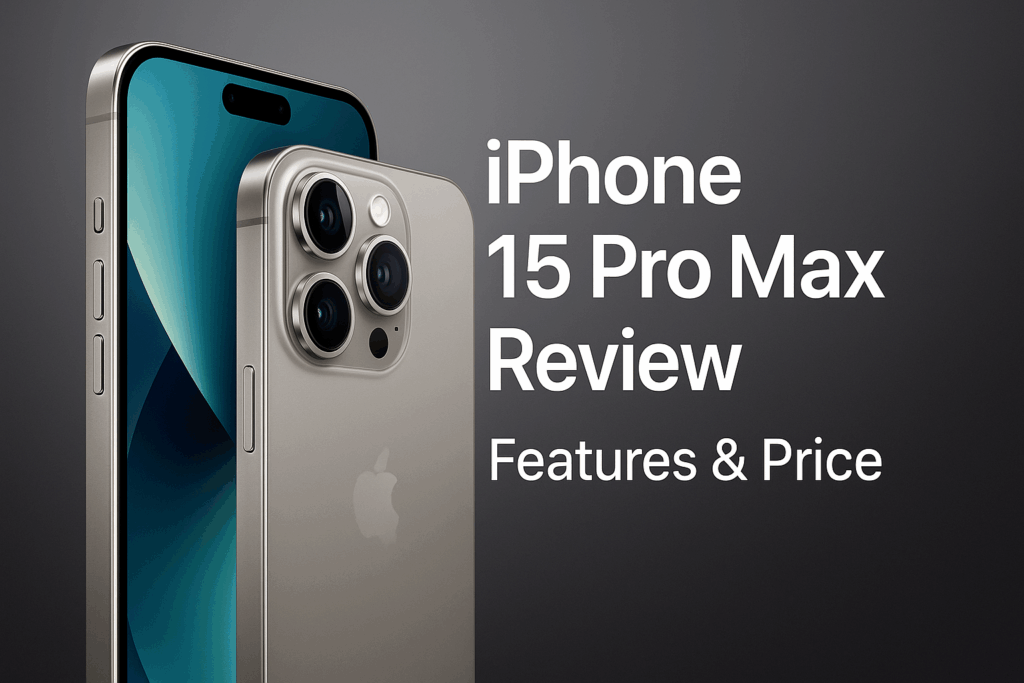
For decades, it has been the tiny, unassuming heart of our mobile connection, the small piece of plastic and silicon that holds our digital identity. The physical SIM card. We’ve all performed the ritual: finding a pin, carefully ejecting the tray, and delicately placing the card into a new device. It’s a piece of analog history in an increasingly digital world. Now, in September 2025, that history is rapidly coming to an end. A new wave of high-end smartphones, most notably the latest iPhones arriving in Nigeria via importation, are being sold as “eSIM-only,” completely removing the physical SIM tray for the first time.
This shift is heralded as the future—a cleaner, more secure, and more convenient way to manage our mobile lives. But while Silicon Valley races towards a seamless, all-digital future, a critical question hangs in the air for us here in Nigeria: is our telecommunications ecosystem actually ready for it? What are the real-world pros of this technology for a user in Lagos, and more importantly, what are the significant, practical cons that could turn this futuristic dream into a daily frustration? This is a deep dive into the practical reality of eSIM-only phones in Nigeria. 🇳🇬📲
What Exactly is an eSIM? Demystifying the Digital SIM
Before we can debate the merits of going “eSIM-only,” let’s quickly demystify the technology itself. The “e” in eSIM stands for “embedded.” An eSIM is a small, rewritable chip that is permanently soldered onto your phone’s motherboard during manufacturing. You can’t see it, and you can’t remove it.
Think of it this way: a physical SIM card is like a specific CD that holds your music (your mobile plan). To change your music, you have to physically swap the CD. An eSIM, on the other hand, is like a built-in MP3 player. Your mobile plan (your number, data package, etc.) is simply a digital file that you download and install onto the embedded chip. This is typically done by scanning a QR code provided by your network carrier or through their mobile app.
The key functionality of an eSIM is its flexibility. A single eSIM chip can store multiple carrier profiles (e.g., one from MTN, one from Glo, and one from a UK carrier). While you can usually only have one or two active at a time, you can switch between these stored profiles in your phone’s settings without needing to physically handle any cards. It’s this software-based approach to mobile identity that forms the foundation for both its biggest advantages and its most significant drawbacks.
The Pros: The Global Citizen’s Dream
The vision for an eSIM-only future is undeniably appealing, offering a level of convenience, security, and flexibility that physical SIM cards simply cannot match.
1. Unmatched Convenience for the World Traveler
This is the most celebrated benefit of eSIM technology. For the Nigerian who travels internationally for business or leisure, the process of staying connected abroad is transformed. Gone are the days of landing at Murtala Muhammed Airport or Heathrow, hunting for a local SIM card kiosk, fumbling with pins and tiny plastic cards, and losing your primary Nigerian SIM in the process. With an eSIM-only phone, you can purchase a data plan for your destination country from a global provider like Airalo or Holafly *before you even leave Lagos*. You install it with a simple QR code scan, and the moment you land, you can switch on your travel eSIM and have instant access to data for ordering a ride or navigating with Google Maps. It’s a seamless, stress-free experience that makes traditional roaming feel archaic.
2. A Major Security Upgrade
This is a huge and often overlooked advantage. One of the first things a sophisticated phone thief does is remove and discard the physical SIM card. This not only cuts the phone off from the network, making it harder to track via “Find My” services, but it also allows the thief to potentially use your SIM in another device to intercept sensitive One-Time Passwords (OTPs) for your banking apps or other services. An eSIM cannot be physically removed. It is tied to your device and protected by your phone’s passcode or biometrics. This makes it significantly harder for a thief to take over your number, providing a powerful layer of security for your digital and financial life.
3. Ultimate Flexibility for Multiple Lines
An eSIM-only phone is a power user’s dream for managing multiple numbers. You can easily have a business line and a personal line active on the same device. You can maintain your primary Nigerian number while adding a UK or US number for international contacts. In Nigeria, you could have an MTN profile for its reliable call network and a separate Glo profile for a bulk data plan, and switch between them with a simple tap in the settings depending on your needs and location. This digital organization is incredibly powerful for entrepreneurs and professionals.
The Cons: The Brutally Honest Nigerian Reality Check
While the pros paint a picture of a perfect future, the practical reality of using an eSIM-only phone in the Nigerian telecommunications ecosystem in September 2025 presents several significant challenges. These are the cons you must seriously consider.
1. The Clunky Activation Process
This is the single biggest hurdle. While the major Nigerian networks like MTN, Airtel, and Glo do offer eSIM services, the process is often far from the seamless, instant experience advertised. As of late 2025, activating a new eSIM frequently requires a **physical visit to a carrier’s service center.** You may have to deal with long queues, paperwork, and staff who are not always fully trained on the process. What should be a 2-minute digital activation can easily turn into a multi-hour ordeal. The simple, online, scan-a-QR-code-from-your-email process is still not the standard here, which completely undermines the “convenience” of the technology.
2. The Death of the “Quick Swap”: A Massive Practical Flaw
This is a huge disadvantage that goes against the grain of how many Nigerians rely on their phones. We depend on the flexibility of physical SIMs for countless everyday scenarios. With an eSIM-only phone, this flexibility is completely gone.
- Your phone’s battery dies in a go-slow. You can no longer just pop your SIM out and put it in your friend’s phone or a simple feature phone (“kpalasa”) to make an urgent call or receive an important bank alert. You are completely stranded.
- Your phone falls and the screen shatters. You can’t immediately put your SIM into a backup phone to stay connected while you figure out repairs. Your line is trapped in the broken device until you can go to a service center to perform a SIM swap.
- You want to test a network. You can’t just borrow a friend’s Glo SIM for an hour to see if the signal is better in your new apartment before committing.
3. The Device Switching Nightmare
When you buy a new phone, moving your physical SIM card takes about 30 seconds. Transferring an eSIM profile from your old phone to your new one can be a significant point of friction. While some carriers are slowly implementing digital transfer tools, many in Nigeria still require you to contact their customer service or visit a store to deactivate the eSIM on the old device and get a new QR code for the new one. This adds a layer of bureaucracy and delay to the simple act of upgrading your phone.
The Verdict: Should You Buy an eSIM-Only Phone in Nigeria Today?
The move to an eSIM-only future is inevitable. The technology offers too many long-term benefits in security and convenience to be ignored. However, the key question is one of timing. In September 2025, the Nigerian telecommunications ecosystem is still in a transitional phase. This leads to a nuanced verdict that depends heavily on your user profile.
Who It’s For:
An eSIM-only phone is a great choice for the **frequent international traveler and the dedicated tech early adopter.** If you travel outside of Nigeria multiple times a year, the convenience of travel eSIMs is a genuine game-changer. If you primarily stick to one major network, love being on the cutting edge of technology, and are willing to navigate the occasional friction of the onboarding process, an eSIM-only device can feel like living in the future.
Who Should Wait:
For the **average Nigerian power user, the pragmatist, and anyone who frequently swaps SIM cards,** an eSIM-only phone in 2025 is likely **a step too far.** The loss of the “quick swap” flexibility, the current friction in carrier onboarding and device switching, and the reliance on a still-maturing ecosystem introduce more practical problems than the technology solves. The day-to-day inconveniences currently outweigh the futuristic benefits for most users in our market.
Conclusion: The Smartest Choice is a Hybrid
eSIM technology is undoubtedly the future of mobile connectivity. However, the future is not quite here yet for everyone in Nigeria. The infrastructure and processes of our local carriers have not yet caught up to the hardware being pushed by global manufacturers. For now, the dream of a seamless digital SIM experience is hampered by the reality of a still very physical and manual system.
Therefore, the best, most practical, and smartest choice for a Nigerian consumer in 2025 remains a **hybrid phone**—one that offers both a physical nano-SIM slot and eSIM support. This setup provides the best of both worlds: the universal reliability and flexibility of a physical SIM for your primary local line, and the modern convenience of an eSIM for adding a second line or for seamless international travel. The all-eSIM future is on the horizon, but for now, a hybrid approach is the key to a stress-free mobile experience in Nigeria.