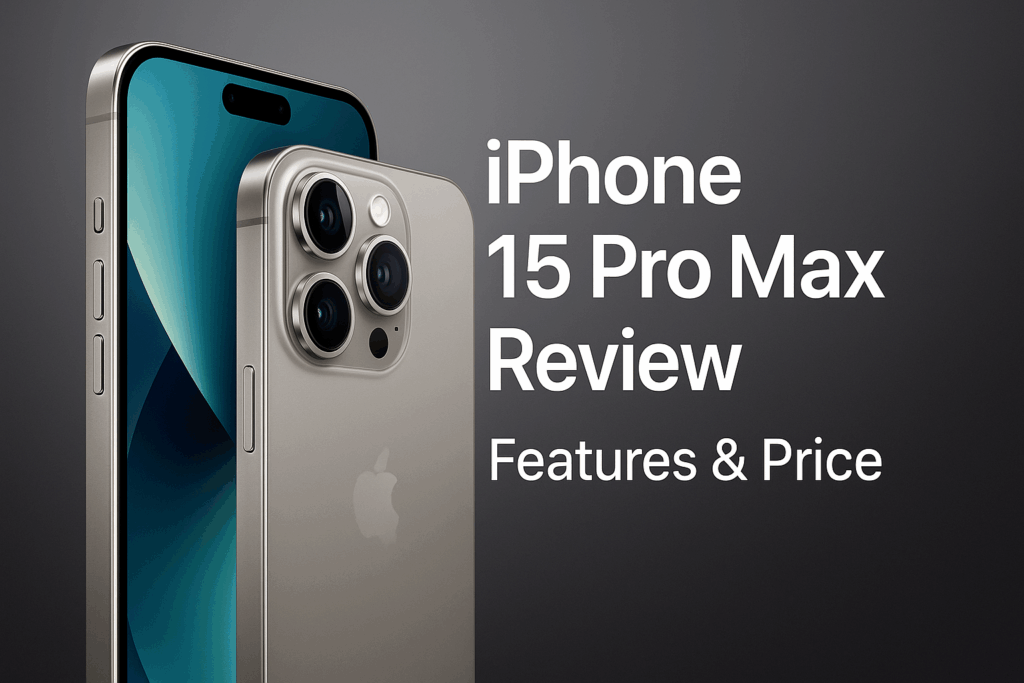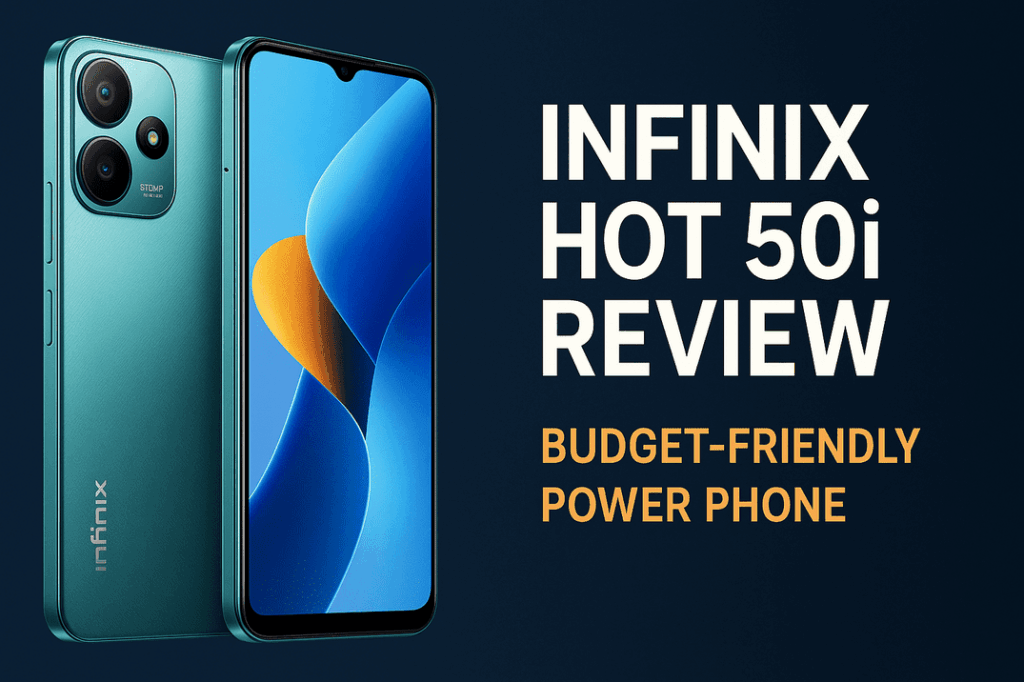
But here’s the exciting shift: you no longer need to spend $1,000 or more to experience outstanding camera performance. A new movement is sweeping the smartphone world—mid-range devices equipped with flagship-level camera systems. These phones deliver impressive photography and videography features at nearly half the price of traditional flagships.
This trend has taken off globally, and it’s easy to see why. Consumers want premium performance, but they don’t want premium price tags. Manufacturers have responded by bringing high-end imaging hardware and computational photography innovations into the mid-range segment. The result? A golden era where affordable phones capture stunning, professional-looking images.
In this in-depth 2,000-word article, we explore how we got here, which brands are leading the charge, what makes mid-range cameras so competitive, and why this trend is reshaping the smartphone market.
How Mid-Range Phones Became Camera Powerhouses
To understand why mid-range phones suddenly have flagship-level camera systems, it’s important to recognize how the smartphone industry has shifted in the past few years. Several key developments paved the way for this trend.
1. Camera Sensor Costs Have Dropped
Premium camera sensors that were once exclusive to expensive flagship devices are now much more affordable to produce. Manufacturers like Sony and Samsung have expanded production capacity and improved their sensor lines, allowing mid-range phones to adopt powerful hardware without skyrocketing costs.
2. Computational Photography Levels the Playing Field
One of the biggest reasons mid-range phones take such impressive photos is because of computational photography—software-driven image enhancements powered by AI and machine learning. Even with smaller or less advanced sensors, software can dramatically improve:
- Low-light performance
- Dynamic range
- Color accuracy
- Detail preservation
- Portrait mode effects
As a result, a mid-range device with great software can outperform a poorly optimized flagship camera.
3. Competition in the Mid-Range Segment Is Fierce
Brands like Xiaomi, Google, Samsung, Oppo, Vivo, and OnePlus have aggressively targeted mid-range consumers. This segment is enormous, especially in developing markets, so companies are forced to innovate quickly. If one brand adds a flagship camera to its mid-range phone, others must do the same or risk falling behind.
4. Flagships Have Plateaued
High-end smartphones are reaching a point of diminishing returns. It’s harder for manufacturers to justify nearly $1,200 prices each year when upgrades are incremental. Bringing flagship-level cameras to mid-range models helps brands create value and drive sales without reinventing the wheel.
5. Consumers Are More Informed Than Ever
Today’s buyers research extensively before purchasing a smartphone. They compare samples, watch reviews, and analyze camera performance. Manufacturers know they must deliver strong camera hardware to stay competitive—even at lower price points.
Top Brands Leading the Flagship-Camera Mid-Range Trend
Several companies stand out as pioneers in delivering flagship-level camera quality on mid-range smartphones.
Google Pixel Series
Google’s Pixel A-series is perhaps the most famous example. The Pixel 6a, 7a, and upcoming A-line models consistently deliver some of the best smartphone photos in the world.
Why they stand out:
- Google’s unmatched computational photography
- Excellent skin tone accuracy
- High-quality HDR processing
- Flagship-level camera algorithms
Even with older sensors, Pixels outperform many modern flagships solely on software quality.
Xiaomi and Redmi Devices
Xiaomi’s mid-range phones often include:
- Large 50MP or 108MP sensors
- OIS (Optical Image Stabilization)
- Premium lenses
- Faster image signal processors (ISP)
Models like the Redmi Note Pro series frequently offer exceptional value and flagship-inspired camera performance.
Samsung Galaxy A-Series
Samsung’s A-series phones continue to improve dramatically each year. Features once reserved for the Galaxy S lineup—like OIS, improved night mode, and even flagship-level sensors—are now included in mid-range A-series devices.
They benefit from Samsung’s world-class display technology and strong image processing software.
Oppo and Vivo Mid-Range Phones
Oppo and Vivo invest heavily in camera technology. Many of their mid-range devices include:
- Large Sony IMX sensors
- Excellent portrait modes
- AI enhancement tools
- Dedicated night photography algorithms
These brands often collaborate with imaging companies like Zeiss and Hasselblad in premium models, and the resulting innovations trickle down into their affordable devices.
OnePlus Nord Series
The OnePlus Nord lineup focuses on delivering balanced performance, clean software, and impressive camera systems for the price. Nord devices often inherit flagship sensors or flagship-style processing in a more budget-friendly package.
What Makes Mid-Range Cameras So Good Now?
It’s not just one factor—it’s the combination of hardware, software, and processing improvements that makes mid-range phones so competitive.
1. Advanced Sensors
Sensors like Sony’s IMX766 and Samsung’s GN1/GN5 have become favorites in mid-range devices. These sensors bring:
- Large pixel sizes
- Better low-light sensitivity
- Enhanced autofocus
- Smoother dynamic range
Just a few years ago, this level of sensor performance was found only in flagship phones.
2. Optical Image Stabilization (OIS)
OIS significantly improves photo clarity, night photography, and video stability. Mid-range phones rarely included OIS in the past, but now it has become a standard feature.
3. Powerful ISPs (Image Signal Processors)
Modern chipsets like Snapdragon 7 Gen 1, MediaTek Dimensity 8000-series, and Google’s Tensor chips pack impressive ISPs. These processors play a major role in:
- Noise reduction
- Color grading
- HDR processing
- AI enhancements
The result is photos that look refined, sharp, and professionally tuned.
4. Software Enhancements
Smartphone photography is now driven as much by software as by hardware. Mid-range phones benefit from:
- AI scene detection
- Computational raw processing
- Real-time image blending
- Enhanced bokeh and portrait effects
Advanced software allows mid-range devices to compete closely with flagships in real-world scenarios.
5. Better Lenses
Improved lens clarity means less distortion, reduced chromatic aberration, and cleaner photos. Manufacturers are using higher-quality lenses—even polycarbonate lenses are now better engineered.
Key Camera Features Now Common in Mid-Range Phones
Today’s mid-range smartphones include features that were flagship-exclusive just a few years ago. These include:
- Night mode with multi-frame exposure stacking
- Portrait mode with advanced subject detection
- Ultra-wide cameras with reduced distortion
- Super steady video modes
- Slow-motion and 4K recording
- High-resolution sensors (50MP–108MP)
- Macro and telephoto enhancements
This democratization of camera features is exactly why mid-range phones are now so appealing.
Why Consumers Love This Trend
This shift toward powerful cameras at lower prices is a win for consumers. Here’s why:
Affordability
Premium camera systems without premium prices allow more people to experience top-tier photography.
Value for Money
With strong competition, brands pack as much as possible into mid-range devices, offering exceptional long-term value.
Social Media Driven Demand
Platforms like Instagram, TikTok, and YouTube have increased demand for great cameras. Mid-range phones deliver all the tools influencers need without breaking the bank.
Perfect Balance
Mid-range phones offer balanced performance, avoiding unnecessary flagship luxuries while providing the camera capabilities people care about most.
Declining Need for Upgrades
Because mid-range cameras are so good, many users feel no need to pay extra for flagships.
Are Flagship Cameras Still Worth the Extra Money?
While mid-range sensors have improved dramatically, flagship cameras still maintain an edge in several areas:
- Superior zoom capabilities (periscope lenses)
- Better image processing pipelines
- More consistent video performance
- Larger sensors with better detail
- Enhanced lens quality and stabilization
However, the gap between mid-range and flagship photography has never been smaller, and for many people, mid-range cameras are more than enough.
The Future of Smartphone Cameras
The trend of flagship cameras moving into mid-range devices will continue. Here’s what we can expect:
- More advanced AI-driven photography
- Better sensor-shift stabilization
- Improved ultra-wide and macro lenses
- Faster ISPs in mid-range chipsets
- Better portrait and bokeh simulation
- Affordable phones with professional-grade video modes
The future is bright for budget-conscious camera lovers.
Conclusion: The New Era of Photography for Everyone
The smartphone world is undergoing a major shift, and the trend of flagship-level cameras at mid-range prices is one of the most exciting developments. Thanks to powerful sensors, AI-driven photography, improved image processing, and aggressive competition, mid-range smartphones now deliver incredible photo and video quality once reserved only for premium models.
This trend makes high-quality photography accessible to more people, reshapes the smartphone market, and raises expectations for what a “budget-friendly” device can offer. Whether you’re a casual user, content creator, or mobile photographer, this new era enables you to capture stunning moments without incurring a significant expense.
Flagship cameras at mid-range prices aren’t just a trend—they’re the future everyone loves.