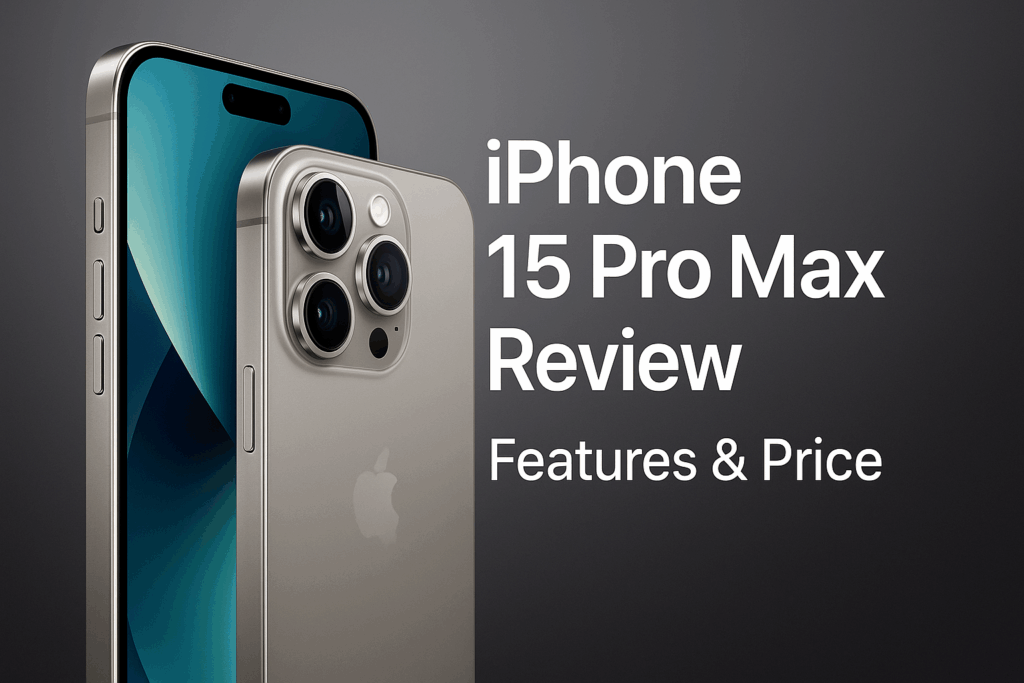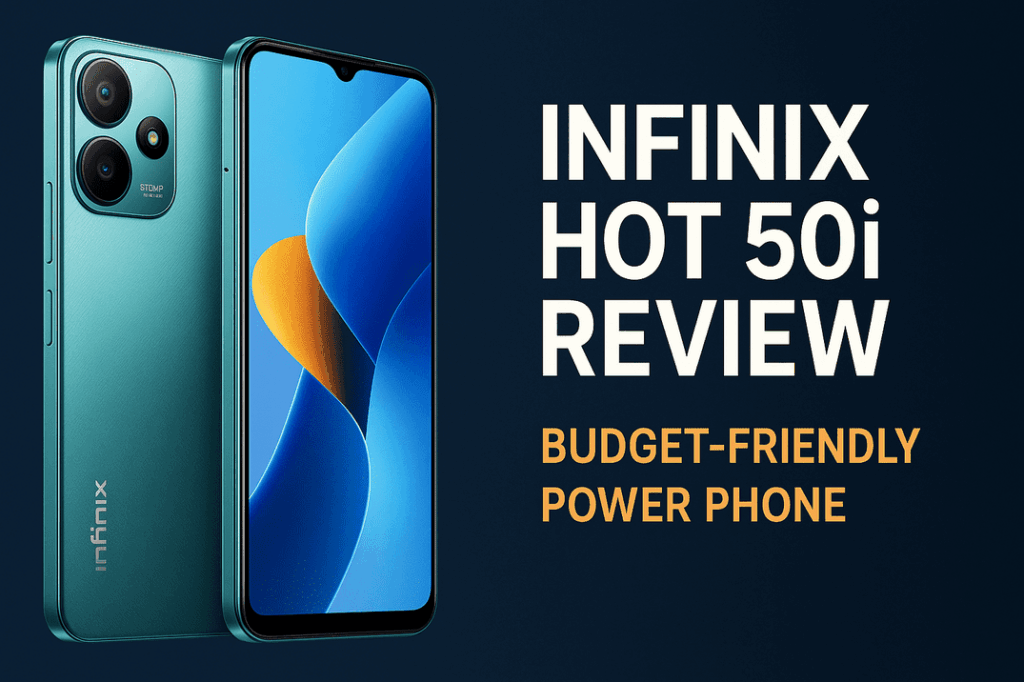
This guide breaks down OLED, AMOLED, and LTPO displays in simple terms, compares their strengths and weaknesses, and helps you decide which screen type best suits your needs.
Why Smartphone Display Technology Matters
A smartphone screen is the component you interact with the most. Whether you are reading articles, watching videos, gaming, scrolling through social media, or attending online meetings, display quality directly impacts comfort and immersion.
Modern display technology influences:
- Image clarity and sharpness
- Color accuracy and vibrancy
- Brightness in outdoor environments
- Eye comfort during long usage sessions
- Battery consumption
- Smoothness of scrolling and animations
Understanding how OLED, AMOLED, and LTPO work helps you avoid paying extra for features you may not need — or missing out on features that would enhance your daily usage.
What Is OLED?
OLED stands for Organic Light-Emitting Diode. Unlike traditional LCD screens that rely on a backlight, OLED displays use individual organic pixels that emit their own light. Each pixel can turn on or off independently.
This self-emissive nature gives OLED several inherent advantages:
- Perfect black levels because pixels can turn off completely
- High contrast ratios
- Thin and flexible display panels
- Faster pixel response times
OLED technology is widely used in smartphones, smartwatches, TVs, and even foldable devices. When you see “OLED display” on a spec sheet, it generally refers to a basic organic LED panel without additional enhancements.
OLED displays deliver accurate colors and deep blacks, making them ideal for media consumption and dark-mode interfaces.
OLED Pros and Cons
OLED screens offer a strong balance of quality and efficiency, but they are not perfect.
Advantages include:
- Excellent contrast and true blacks
- Lower power consumption when displaying dark content
- Lightweight and slim design
- Wide viewing angles
Limitations include:
- Lower peak brightness compared to advanced AMOLED panels
- Potential for image retention over very long usage periods
- Typically limited refresh rate options
OLED is a solid choice for users who want premium visuals without paying flagship prices.
What Is AMOLED?
AMOLED stands for Active Matrix Organic Light-Emitting Diode. It is an advanced version of OLED that uses an active matrix system to control individual pixels more efficiently.
In AMOLED displays, each pixel is controlled by thin-film transistors (TFTs), allowing faster refresh rates, better brightness control, and improved color performance. This makes AMOLED ideal for smartphones that require responsive touch input and smooth animations.
AMOLED displays are most commonly associated with Samsung, but many other manufacturers now use AMOLED panels sourced from different suppliers.
AMOLED Advantages Over OLED
AMOLED builds on OLED technology and introduces enhancements that make it superior in most scenarios.
- Higher brightness levels for outdoor visibility
- More vibrant colors
- Better support for high refresh rates
- Lower power usage during active display states
- Improved responsiveness for gaming and scrolling
AMOLED panels are commonly used in mid-range and flagship smartphones because they offer a premium feel without extreme power consumption.
However, AMOLED displays may oversaturate colors depending on calibration, which some users love and others prefer to adjust.
What Is LTPO?
LTPO stands for Low-Temperature Polycrystalline Oxide. Unlike OLED and AMOLED, LTPO is not a display type by itself — it is a backplane technology used in advanced OLED and AMOLED panels.
LTPO allows displays to dynamically adjust refresh rates depending on what is happening on the screen. Instead of running constantly at 120Hz or 144Hz, an LTPO display can scale down to extremely low refresh rates when content is static.
For example:
- 1Hz when displaying a static clock or notification
- 10–30Hz while reading text
- 60Hz for standard apps
- 120Hz or higher during gaming or scrolling
This adaptive behavior significantly improves battery efficiency without sacrificing smoothness when performance is needed.
Why LTPO Displays Are Considered Premium
LTPO displays are typically found in high-end flagship smartphones because they are more complex and expensive to manufacture. They combine the visual benefits of AMOLED with intelligent power management.
Key benefits include:
- Longer battery life due to adaptive refresh rates
- Smoother animations without constant high power draw
- Better always-on display efficiency
- Reduced heat generation during extended use
LTPO technology is especially useful for users who keep their screens on for long periods, such as students, professionals, and gamers.
OLED vs AMOLED vs LTPO: Visual Quality Comparison
In terms of pure visual quality, all three technologies deliver excellent results. However, subtle differences exist.
OLED offers natural color tones and excellent contrast. AMOLED increases vibrancy and brightness, making visuals pop more, especially outdoors. LTPO retains AMOLED quality while adding adaptive smoothness.
For watching movies and series:
- OLED and AMOLED both perform exceptionally well
- LTPO adds no direct visual advantage unless refresh rates are involved
For scrolling and gaming:
- AMOLED and LTPO feel noticeably smoother
- LTPO excels in balancing smoothness and battery usage
Battery Life Differences Explained
Battery consumption is one of the most important real-life differences between these display types.
OLED screens consume less power when displaying dark content but lack advanced refresh control. AMOLED improves efficiency but still runs at fixed refresh rates in many devices.
LTPO displays are the most efficient overall because they intelligently reduce refresh rates during low-motion scenarios. This can extend battery life by several hours in daily use.
If battery longevity is a priority, LTPO is the clear winner.
Gaming and Performance Considerations
For mobile gamers, display responsiveness and refresh rates are critical. High refresh rate AMOLED and LTPO panels deliver smoother animations and faster touch response compared to standard OLED screens.
LTPO displays shine in gaming because they:
- Maintain high refresh rates during gameplay
- Reduce power draw when menus or static screens appear
- Help keep device temperatures lower
Competitive gamers and esports enthusiasts benefit most from LTPO-equipped phones.
Always-On Display and Productivity Use
Always-on display features are increasingly popular for showing time, notifications, and calendar events. OLED and AMOLED displays support this well, but LTPO enhances efficiency dramatically.
LTPO displays can run always-on elements at extremely low refresh rates, minimizing battery impact while keeping information visible.
For productivity-focused users, this means:
- Less need to wake the phone
- Lower background power drain
- Better standby endurance
Durability and Longevity
All three display technologies use organic materials, meaning they can degrade over many years of heavy use. However, modern manufacturing improvements have significantly reduced burn-in risks.
AMOLED and LTPO panels generally include better pixel management and compensation algorithms, making them more resistant to long-term wear.
With normal usage, users are unlikely to experience serious issues regardless of display type.
Which Display Type Is Best for You?
Choosing the right screen depends on how you use your phone.
- Choose OLED if you want premium visuals at a lower cost
- Choose AMOLED if you want brighter colors and smoother performance
- Choose LTPO if you want the best balance of performance and battery life
Casual users may not notice huge differences between OLED and AMOLED, but power users will appreciate LTPO’s efficiency over time.
Future of Smartphone Display Technology
Display technology continues to evolve rapidly. Manufacturers are experimenting with micro-OLED, tandem OLED layers, and even hybrid LTPO advancements that push efficiency further.
As production costs decrease, LTPO displays will likely appear in more mid-range devices, making adaptive refresh rates a standard feature rather than a luxury.
Final Thoughts
OLED, AMOLED, and LTPO displays all represent significant advancements over older LCD technology. Each serves a different type of user, budget, and performance expectation.
If you want excellent visuals without overspending, OLED delivers. If you crave vibrant colors and smooth scrolling, AMOLED is a strong upgrade. If battery efficiency and adaptive performance matter most, LTPO is the ultimate choice.
Understanding these differences empowers you to choose a smartphone display that enhances your daily experience rather than simply following marketing labels. In the end, the best screen is the one that fits your lifestyle, usage habits, and long-term needs.