Until recently, satellite phones were reserved for hikers, sailors, journalists, or military personnel operating in remote areas. But with global connectivity becoming a mainstream expectation—and emergencies showing no regard for urban or rural settings—satellite communication is finding its way into everyday smartphones. In this comprehensive 2,500-word guide, we’ll explore the best emergency-ready smartphones equipped with satellite capabilities in 2025, what makes them essential, and whether it’s worth upgrading to one.
Why Satellite Connectivity Matters in 2025
From climate disasters to power outages and rural travel, the ability to communicate without relying on cell towers is a lifeline. With the global uptick in extreme weather events and political instability, even casual users are considering satellite communication a necessity. Smartphones with built-in satellite tech are now seen not as luxury gadgets but as vital tools for survival, travel, and peace of mind.
How Satellite Phones Work in Modern Smartphones
Satellite phones communicate via low-earth orbit (LEO) or geostationary satellites instead of traditional cell towers. In 2025, major networks like Starlink, Iridium, and Globalstar have enabled wider, faster, and more reliable satellite connections for smartphones. Most consumer models don’t require bulky antennas anymore, as new chipsets allow for compact integration, including emergency-only or two-way text support.
Top Emergency-Ready Smartphones with Satellite Connectivity
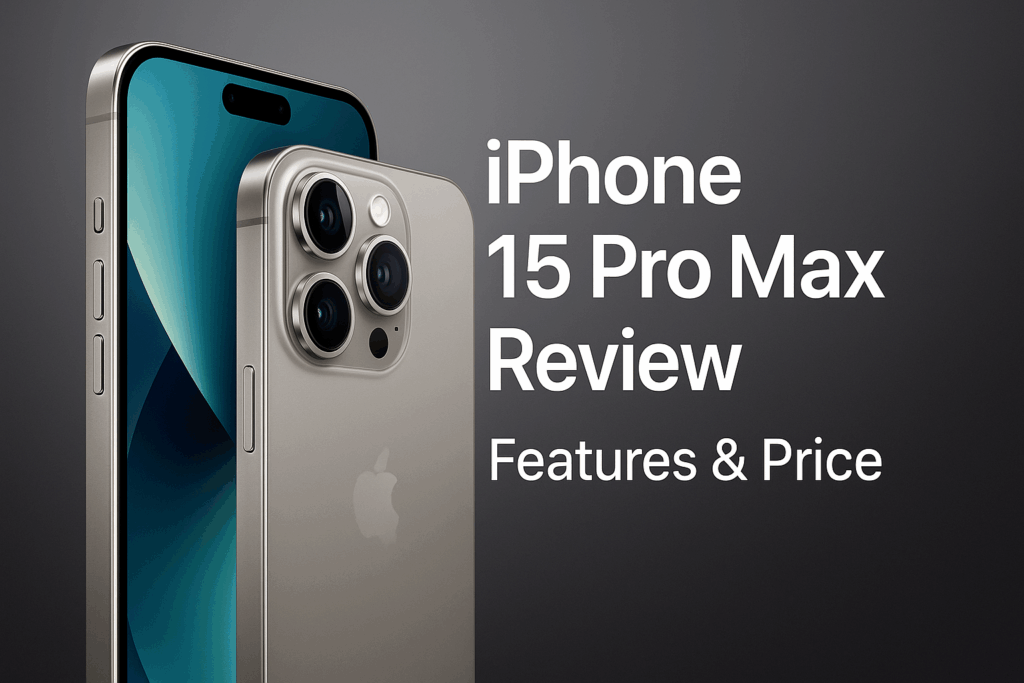
1. iPhone 15 Pro & iPhone 16 Series (Emergency SOS via Satellite)
Apple set the bar in 2023 with Emergency SOS via satellite, and the iPhone 15 Pro and newer models continue to refine it. In 2025, iPhones now support limited two-way texting, emergency calls, and location sharing via satellite. It’s perfect for travelers, hikers, and anyone caught in a cellular blackout.
2. Samsung Galaxy S25 Ultra (Expanded Satellite Messaging)
Samsung stepped into the satellite space with the Galaxy S24 and has improved significantly in the S25 Ultra. The 2025 model includes real-time satellite messaging via the Globalstar network and auto-triggered alerts during environmental disasters.
3. Huawei Mate 70 Pro+ (Two-Way Satellite Calling)
Huawei continues to lead satellite integration with the Mate 70 Pro+, which allows two-way voice and text communication over China’s BeiDou satellite system. While mostly China-centric, it’s a game-changer in terms of hardware integration and battery efficiency.
4. Motorola Defy 2 with Bullitt Satellite Messenger
This rugged phone features a dedicated satellite chip using the Bullitt Satellite Messenger platform. It’s perfect for adventurers and supports off-grid messaging even when no cellular or Wi-Fi is available. Its subscription model makes it ideal for serious off-grid users.
5. CAT S75
Like the Defy 2, the CAT S75 focuses on durability and satellite messaging for explorers. Built like a tank, it can withstand drops, water, and dirt while ensuring reliable off-grid communication. Ideal for search and rescue professionals or frequent wilderness trekkers.
6. Google Pixel 9 (Rumored Satellite Connectivity)
Although not yet confirmed, the Pixel 9 is expected to include emergency satellite messaging thanks to Android’s new Emergency Satellite API. If true, it will offer a stock Android experience with reliable safety features integrated directly into the OS.
Pros and Cons of Satellite Smartphones
Advantages
- Always-On Safety: Satellite SOS ensures help can be summoned even in remote deserts or mountains.
- Independence from Cell Towers: Ideal for rural living, international travel, and disaster preparedness.
- Peace of Mind: Family and friends know they can reach you even when networks fail.
Limitations
- Limited Bandwidth: You can’t stream or browse over satellite—at least not yet.
- Subscription Costs: Some devices require a satellite service plan.
- Emergency-Only Use: In most models, functionality is restricted to emergencies or texts.
Who Should Consider a Satellite-Enabled Phone?
These phones are ideal for:
- Frequent travelers and backpackers
- Off-grid lifestyle enthusiasts
- Emergency responders and aid workers
- Journalists operating in conflict zones
- Anyone living in disaster-prone areas
How Much Do They Cost?
Satellite-ready smartphones in 2025 range from $499 to $1,299, depending on brand, ruggedness, and satellite capabilities. Add in monthly service plans ranging from $5 to $30 for extended use. Some providers offer free emergency-only service, while others require a subscription.
Best Budget Satellite Phones
If you’re looking to stay under $600, consider the Motorola Defy 2 or CAT S75. Both provide basic two-way satellite messaging and are rugged enough for harsh conditions. They’re more than sufficient for hiking trips, off-grid adventures, or backup emergency devices.
Do You Really Need One?
If you live in a city and never travel, satellite connectivity may not seem necessary. But the reality is that cellular networks go down during natural disasters, large events, or technical failures. Having satellite support could be the difference between safety and danger.
What to Look for in a Satellite-Ready Phone
- Supported Networks: Globalstar, Iridium, or Starlink integration
- Battery Life: Should last at least 24 hours under normal use
- Durability: Especially for outdoor or professional users
- Ease of Use: Native integration is better than third-party apps
- Subscription Flexibility: Emergency-only or pay-as-you-go options preferred
2025 Market Trends in Satellite Phones
Tech giants like Google and Samsung are doubling down on satellite communications. Qualcomm’s Snapdragon Satellite initiative means more Android phones will support this tech natively. Starlink’s direct-to-smartphone service is also rolling out globally, which could bring full satellite browsing within a few years.
What’s Next for Satellite Phone Technology?
Expect broader coverage, smaller antennas, better data speeds, and even encrypted two-way audio via satellites. As networks expand and pricing improves, satellite phones are becoming less niche and more mainstream—especially with AI now supporting smart emergency routing and multilingual help services.
Final Verdict: Should You Buy a Satellite Phone in 2025?
Absolutely—if you value safety, travel often, or want peace of mind. The newest models no longer sacrifice style or performance for satellite connectivity. Whether it’s the polished iPhone 16 or the rugged CAT S75, there’s a smart emergency-ready phone for every user type and budget.
Investing in a satellite-enabled smartphone today means staying prepared tomorrow—no matter where life takes you.