Manufacturers now invest heavily in stronger materials, reinforced frames, water resistance technologies, and military-grade testing standards. But how do these claims hold up in real-world situations? This article explores the most durable smartphones currently available, tested against common everyday accidents. From accidental drops on concrete to water immersion and long-term wear, we examine which devices truly stand the test of time.
What Makes a Smartphone Durable
Durability in smartphones is not defined by a single feature. Instead, it is the result of several design and engineering choices working together. The most durable phones combine strong exterior materials with internal reinforcement and protective technologies.
One of the most important elements is the display glass. Modern smartphones often use advanced glass solutions such as Gorilla Glass Victus or Ceramic Shield, which are designed to resist cracking and scratches. These materials are tested against drops from various heights and surfaces.
Another critical factor is the phone’s frame. Aluminum and stainless steel frames offer rigidity, while reinforced polymer frames absorb shock better during impacts. Some rugged phones go a step further by adding rubberized edges and corner bumpers to minimize damage from falls.
Water and dust resistance ratings also play a major role. An IP68 rating, for example, indicates that a phone can survive submersion in water and resist fine dust particles. Finally, internal design choices such as shock-mounted components and sealed ports contribute to long-term durability.
Testing Smartphones Against Everyday Accidents
To evaluate real-world durability, smartphones are commonly tested against a range of everyday accidents rather than extreme or unrealistic scenarios. These include accidental drops from pocket height, exposure to rain or spills, contact with dust and sand, and prolonged daily usage.
Drop tests typically involve falls from waist height onto hard surfaces such as concrete or tile. Water resistance is tested through splashes, rain exposure, and short periods of submersion. Scratch resistance is evaluated by contact with keys, coins, and abrasive surfaces commonly found in bags or pockets.
While no smartphone is completely indestructible, these tests provide valuable insights into how well a device can survive normal daily mishaps without requiring immediate repairs or replacements.
Samsung Galaxy S24 Ultra
The Samsung Galaxy S24 Ultra stands out as one of the most durable flagship smartphones available today. Built with a titanium frame and protected by Gorilla Glass Victus on both the front and back, it offers excellent resistance to drops and scratches.
In everyday drop tests, the Galaxy S24 Ultra performs exceptionally well, often surviving multiple falls from waist height with minimal cosmetic damage. The flat display design also reduces the risk of edge cracking compared to curved screens.
With an IP68 rating, the device handles water exposure with ease. Rain, accidental spills, and brief submersion do not affect performance. Long-term usage tests show that the phone maintains its structural integrity even after months of daily handling.
Apple iPhone 15 Pro
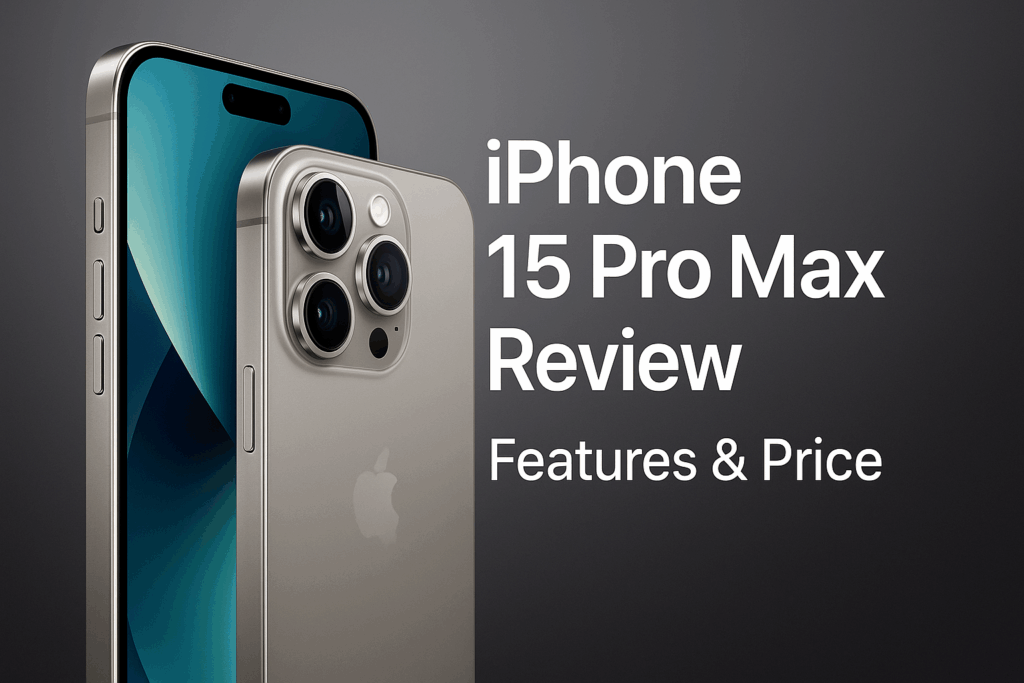
Apple’s iPhone 15 Pro introduces a titanium frame paired with Ceramic Shield glass, making it one of the toughest iPhones ever produced. Apple claims that Ceramic Shield is tougher than any other smartphone glass, and real-world testing supports this assertion.
During everyday drop tests, the iPhone 15 Pro resists cracking better than previous generations. While scratches may still occur over time, the structural durability remains impressive.
The phone’s IP68 water resistance allows it to survive spills, rain, and accidental drops into water. Combined with Apple’s tight internal engineering, the device continues functioning reliably even after repeated exposure to challenging conditions.
Google Pixel 8 Pro
The Google Pixel 8 Pro balances premium design with practical durability. It features Gorilla Glass Victus protection and a reinforced aluminum frame designed to absorb impact energy.
In drop tests, the Pixel 8 Pro performs consistently, with the flat display helping reduce shattering risks. The matte glass back also hides scratches better than glossy finishes.
Water resistance is rated at IP68, ensuring reliable performance in wet conditions. While it may not be the toughest phone in extreme scenarios, it handles everyday accidents confidently and remains a solid choice for durability-conscious users.
CAT S62 Pro
For users who prioritize durability above all else, the CAT S62 Pro is built specifically for harsh environments. Designed to meet military-grade standards, this rugged smartphone is engineered to survive drops, vibrations, dust, and water exposure.
The reinforced body and rubberized exterior absorb shock effectively, allowing the phone to survive repeated drops onto concrete without significant damage. It is also resistant to extreme temperatures and chemical exposure.
With an IP68 and IP69 rating, the CAT S62 Pro can withstand high-pressure water jets and full submersion. While it lacks the sleek design of flagship devices, it excels in durability and reliability.
Samsung Galaxy XCover 6 Pro
The Samsung Galaxy XCover 6 Pro is designed for professionals who work in demanding environments. It combines a rugged build with modern smartphone features, making it suitable for both work and daily use.
The device features reinforced corners and a removable back cover that enhances shock absorption. Drop tests show that it survives falls that would damage most standard smartphones.
Its IP68 rating ensures protection against water and dust, while its military-grade certification confirms resistance to vibrations, humidity, and temperature extremes. This makes it a practical choice for users needing reliability in challenging conditions.
OnePlus 12
The OnePlus 12 may not be marketed as a rugged phone, but it offers impressive durability for a flagship device. Protected by advanced Gorilla Glass and housed in a sturdy aluminum frame, it handles everyday accidents well.
Drop tests reveal that the phone maintains structural integrity after falls from moderate heights. The curved display, however, remains a potential weak point compared to flat screens.
With an IP65 rating, the OnePlus 12 can handle splashes and light rain, though it is less water-resistant than some competitors. Overall, it offers a good balance between durability and premium design.
How to Improve Smartphone Durability
Even the most durable smartphones benefit from additional protection. Using a high-quality case and tempered glass screen protector significantly reduces the risk of damage from everyday accidents.
Avoid placing phones in pockets with sharp objects such as keys or coins, and keep them away from extreme temperatures whenever possible. Regular cleaning of ports and speakers also helps maintain long-term performance.
Investing in protective accessories is often far more cost-effective than repairing or replacing a damaged smartphone.
Conclusion
Durability has become a defining factor in smartphone design, and manufacturers continue to push the limits of materials and engineering. From premium flagships like the iPhone 15 Pro and Galaxy S24 Ultra to rugged specialists like the CAT S62 Pro, there are durable options available for every type of user.
While no smartphone is completely immune to damage, choosing a device designed to withstand everyday accidents can save money, reduce stress, and extend the lifespan of your investment. By understanding durability features and selecting a phone that matches your lifestyle, you can enjoy greater peace of mind in daily use.