For the better part of two decades, our relationship with our smartphones has followed a predictable pattern. We have a task in mind, we unlock the device, we scan a grid of colourful icons to find the right application, and then we tap our way through its menus to get the job done. The phone, for all its power, has been a largely reactive tool—a brilliant container for apps, waiting for our direct command. But in 2025, a quiet but profound revolution is reaching its tipping point. The very philosophy of how a smartphone should work is changing. We are entering the era of the “AI-First” smartphone.
This isn’t just about adding a new “AI” feature to the camera or making a virtual assistant slightly better at answering trivia. This is a fundamental shift from a device that holds your apps to a device where Artificial Intelligence becomes the primary interface, a proactive partner that anticipates your needs and streamlines your digital life. The latest flagship phones from giants like Google, Samsung, and Apple are being built around this new paradigm. So, what does this shift actually mean for your daily life in a bustling, dynamic city like Lagos? Is it a genuine revolution in usability that will save you time and effort, or just a new layer of complex technology? It’s time to decode the rise of the AI-First smartphone and explore what it really means for you.
From App-First to AI-First: A Fundamental Change in How We Interact
To grasp the significance of the AI-First model, we must first appreciate the “App-First” world we’ve lived in for so long. In this model, the phone’s intelligence is siloed, trapped within individual applications. The apps don’t talk to each other very well, and the phone’s operating system acts more like a simple launchpad than an intelligent coordinator.
Consider a simple, everyday scenario for a professional in Nigeria. A colleague sends you a WhatsApp message: “Hi, can we meet to discuss the project proposal at Terra Kulture at 2 PM on Friday?” In the App-First world, the workflow is entirely manual. You read the message, mentally note the details, and then you leave WhatsApp. You find and open your Calendar app. You manually create a new event, type in “Meeting re: project proposal,” set the location to “Terra Kulture,” and set the time and date. You might then open Google Maps to check the likely traffic from your office in Ikeja to VI for a Friday afternoon, and then set a separate reminder to leave by 12:30 PM. This involves switching between three or four different apps and manually transferring information between them.
In the new AI-First world, the phone’s central intelligence acts as a layer *above* the apps. It can understand context and intent, and orchestrate actions across multiple services. In this new paradigm, when you receive that same WhatsApp message, the on-device AI understands the key entities: an event, a location, a time, and a date. A small, proactive suggestion might pop up at the bottom of your screen: “Create a calendar event for this?” with all the details pre-filled. With a single tap, you can confirm it. The AI might then add, “Based on typical Friday traffic, I recommend you leave by 12:30 PM. Shall I set a reminder?” This entire multi-step, multi-app process is reduced to two simple taps, all initiated by the phone’s proactive assistance.
This is the essence of the AI-First shift: moving from a reactive tool that you command to a proactive partner that assists you.
The Technology Powering the Shift
This futuristic experience isn’t magic; it’s the result of two key technological breakthroughs that have matured in 2025.
1. The Powerful On-Device NPU
The heart of an AI-First phone is its specialized processor. For years, the focus was on the CPU (Central Processing Unit) for general tasks and the GPU (Graphics Processing Unit) for gaming. Now, the NPU (Neural Processing Unit) has become just as important. NPUs are custom-designed processors built for one purpose: to run the complex calculations of AI and Machine Learning models with extreme speed and efficiency. The latest chips, like Google’s Tensor G-series and Qualcomm’s Snapdragon 8 Gen 4, feature incredibly powerful NPUs that can perform trillions of operations per second while using a fraction of the power of a traditional CPU.
2. On-Device Large Language Models (LLMs)
The technology that powers services like ChatGPT, known as Large Language Models, used to require massive data centers to run. In 2025, these models will have become efficient enough to run directly on your smartphone. This is the key to “on-device AI.” By running these models locally, your phone can understand complex language, summarize text, and generate responses without needing to send your data to the cloud. This has three huge benefits for the Nigerian user: it’s incredibly fast (no internet lag), it works even when you have a poor or no data signal, and it’s far more private because your personal information stays on your device.
The AI-First Champions of 2025: Who is Leading the Way?
While almost all brands are incorporating AI, a few are truly building their entire philosophy around it.
The Pioneer: Google Pixel Series
Google’s Pixel line is the purest expression of the AI-First concept. The very existence of their custom Tensor chip is proof of this commitment. From day one, Tensor was designed to be the ultimate vehicle for Google’s world-leading AI. On the Pixel 10 Pro, this manifests in features that feel years ahead of the competition. The Proactive Assistant, which surfaces relevant information and suggests actions based on your context, is the core of the experience. The camera’s AI is legendary, with tools like Magic Editor allowing for generative AI-powered edits that can recompose a photo with a few taps. For a Pixel user, the AI isn’t just a feature; it is the operating system.
The Mainstream Giant: Samsung with “Galaxy AI”
Samsung, with its massive market share in Nigeria, has aggressively integrated its own “Galaxy AI” suite into the Galaxy S25 series. Their approach is slightly different, focusing on applying AI to enhance their already powerful productivity and creativity tools. Features like Live Translate for phone calls, which can translate a conversation in real-time, are incredibly powerful for business users. Note Assist in Samsung Notes can automatically format and summarize your handwritten notes. Their camera’s AI focuses on scene optimization and powerful editing tools. Samsung’s strength lies in using AI to make its feature-rich environment even more powerful.
The Subtle Integrator: Apple’s iPhone
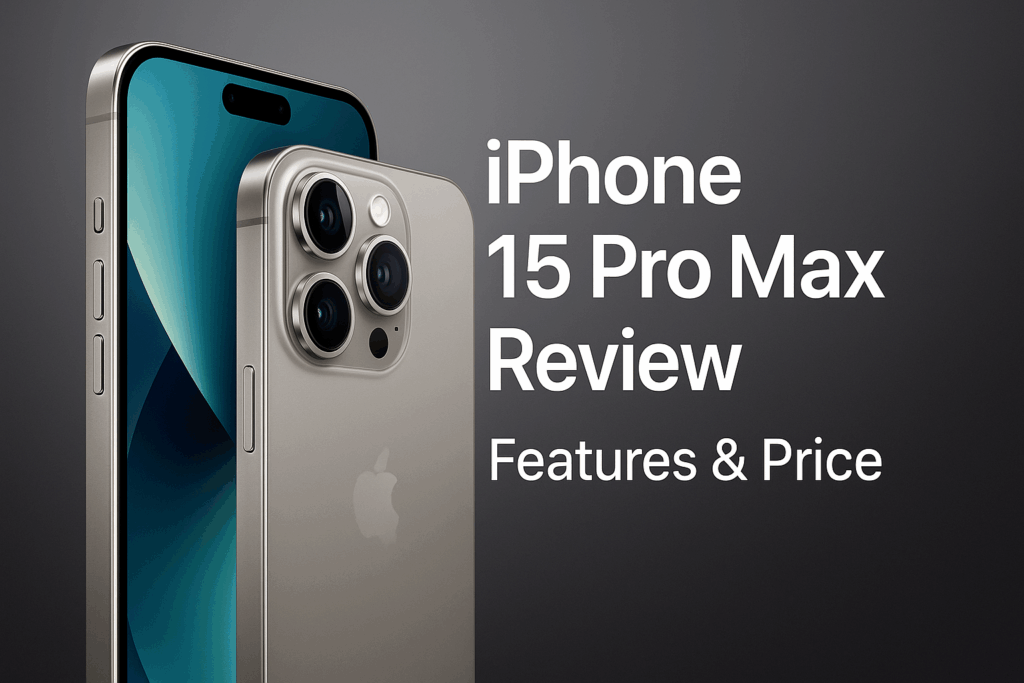
Apple rarely uses the “AI” buzzword, preferring terms like “Machine Learning” and “Computational Intelligence.” Their approach is more subtle but just as deep, with a relentless focus on privacy by keeping as much processing on-device as possible. Powered by the incredibly strong Neural Engine in their A-series chips, iOS is filled with proactive intelligence. It’s in the smart suggestions in messages, the automatic curation of photos, and a Siri that can perform increasingly complex actions within apps. While less flashy in its presentation, Apple’s version of the AI-First world is deeply integrated, powerful, and built on a foundation of user privacy.
What AI-First Means for Your Daily Life in Nigeria
This all sounds very futuristic, but what are the tangible benefits for you?
- A True Personal Assistant: For the busy Lagos entrepreneur, an AI-First phone is a game-changer. It’s a device that helps manage your schedule proactively, summarizes long email chains so you can get the key points quickly, and transcribes your voice notes into text automatically. It’s about saving time and reducing mental clutter.
- Breaking Language Barriers: With on-device Live Translate, communicating with international business partners or consuming content in other languages becomes seamless. It’s a powerful tool for a globally-connected city like Lagos.
- Enhanced Creativity: AI-powered camera and editing tools act as your creative director. They can suggest the best photo from a burst of shots, automatically remove distractions from the background of a perfect picture taken at the Lekki Conservation Centre, and even help you create professional-looking videos with intelligent editing.
- Smarter Resource Management: The on-device AI learns your app usage patterns. It can intelligently allocate resources and optimize background processes to improve performance and, crucially, extend battery life. This can mean the difference between your phone lasting through a power outage or dying when you need it most.
Conclusion: Your Smartphone is Finally Getting a Brain
The rise of the AI-First smartphone is not just another yearly update; it’s the most significant evolution in mobile computing since the dawn of the app store. It marks the transition of our phones from being simple, reactive tools to becoming truly intelligent, proactive partners. This shift, powered by incredible advancements in on-device processors and AI models, is making our devices more personal, more helpful, and more seamlessly integrated into our lives.
For the user in Nigeria, this means a future where your device understands your unique needs, helps you be more productive in a demanding environment, and works more efficiently to conserve precious resources like data and battery life. The question we ask when choosing a new phone is about to change. It will no longer be “what apps can it run?” but rather, “how smart is it?” In 2025, we are finally getting the first, knowledgeable answers.