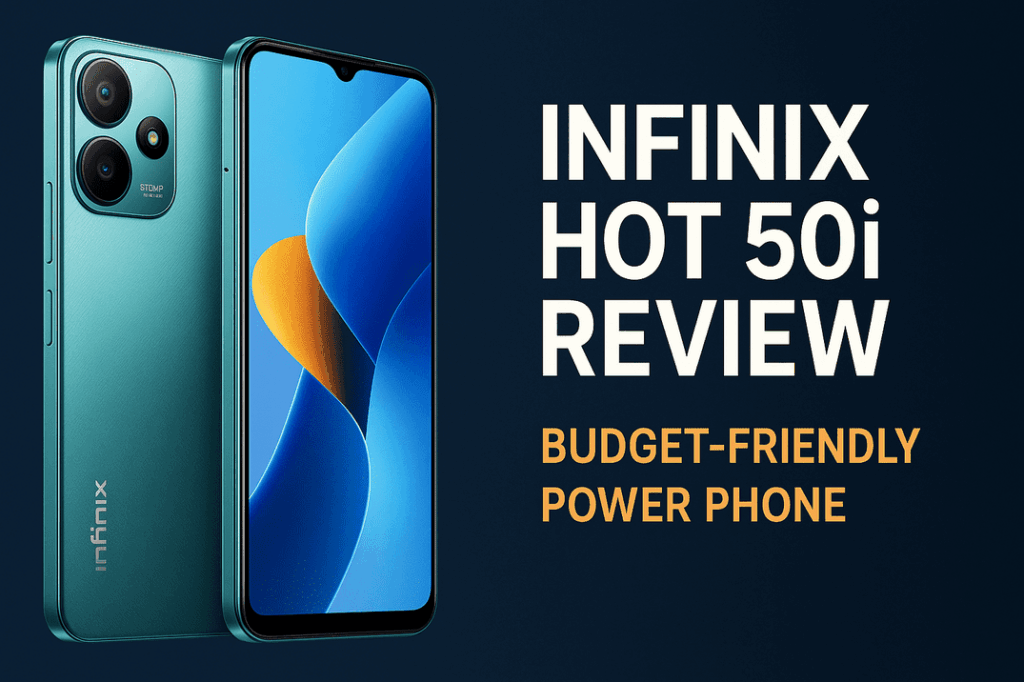
We all know the feeling. That creeping, low-grade anxiety that starts the moment the battery icon on our phone turns red. It’s a modern-day malady. We dim our screens, we close our apps, we frantically search for a charging port, tethered to the wall like a digital ball and chain. The term “all-day battery life” is thrown around by every smartphone manufacturer, but what does it really mean? A day of light texting and the occasional phone call? That’s not our reality. Our days are a non-stop marathon of video calls, social media, streaming, gaming, and work. Our phones are not just accessories; they are the command centre of our lives.
So, when a new device like the [Phone Name] lands on our desk, promising not just an “all-day” battery but true multi-day endurance, we’re skeptical. The spec sheet boasts a colossal battery and a hyper-efficient processor, but we’ve heard those promises before. There’s only one way to know for sure. Not with synthetic benchmarks or controlled lab tests, but with a real-world trial by fire. A single, continuous, brutal 18-hour gauntlet designed to push the battery to its absolute breaking point.
The mission was simple: to subject the [Phone Name] to the most demanding day we could imagine, from the crack of dawn to the stroke of midnight. No chargers. No power banks. No mercy. We wanted to see if this phone could not only survive but thrive under the kind of pressure that would turn most flagships into useless bricks by dinner time. Does the ultimate all-day phone truly exist? We’re about to find out.
The Contender and The Rules of Engagement
Before we begin our descent into this battery torture test, let’s meet our champion. The [Phone Name] is equipped with a massive [e.g., 6000mAh] battery, which is significantly larger than the average smartphone. It’s powered by the [Processor Name, e.g., Snapdragon 8 Gen 2] chipset, renowned for its performance-per-watt efficiency. The software also includes several battery optimization features designed to learn user habits and conserve power intelligently.
To ensure a fair and brutal test, we established a strict set of rules:
- The test begins at 6:00 AM with the phone at a full 100% charge.
- Screen brightness is set to 75% adaptive brightness for the entire duration.
- Wi-Fi, Bluetooth, and Mobile Data will remain on at all times.
- No charging of any kind is permitted. Power banks are strictly forbidden.
- The phone’s built-in low-power or battery-saver mode cannot be enabled until the charge drops to a critical 10%.
- The test ends at precisely 12:00 AM (midnight). The goal is to finish the day with power still left in the tank.
The stage is set. The clock is ticking. Let the gauntlet begin.
The Gauntlet: An 18-Hour Battery Breakdown
Phase 1: The Morning Rush (6 AM – 10 AM)
6:00 AM (100%): The alarm rings. The phone is unplugged. The test starts now. The first hour is a classic morning ritual: disabling the alarm, scrolling through overnight notifications, and diving deep into social media. We spend 30 minutes on X (Twitter), another 30 on Instagram Reels, and catch up on news feeds. This is followed by responding to a flood of WhatsApp messages and work emails that came in from different time zones.
8:00 AM: Time for the simulated commute. We plug in a pair of Bluetooth earbuds and stream a one-hour podcast on Spotify, followed by 30 minutes of high-resolution YouTube videos to properly wake up. The screen is on, the data is flowing, and the battery is already working hard.
10:00 AM Battery Check: 88%. A 12% drop after four hours of continuous, heavy morning usage is an incredibly strong start. Most phones would be closer to 80% by now. The [Phone Name] is barely breaking a sweat.
Phase 2: The Workday Grind (10 AM – 2 PM)
10:00 AM (88%): The workday begins in earnest, and the phone transforms into a productivity powerhouse. The first task is a one-hour, high-definition video conference on Google Meet. Video calls are notorious battery killers, using the camera, microphone, speaker, and processor simultaneously.
11:30 AM: Immediately following the call, we activate the mobile hotspot feature and tether the phone to a laptop for a solid hour of work. The phone is now providing a stable internet connection for a larger device, another incredibly demanding task. During this time, we’re also actively using Slack and Google Docs on the phone itself, pushing its multitasking capabilities.
2:00 PM Battery Check: 69%. The workday grind took a significant 19% chunk out of the battery, which was expected. The video call and hotspotting were the biggest culprits. However, to still be at nearly 70% after eight hours of this abuse is remarkable. We haven’t even had lunch yet, and this phone already has more power left than many devices have after a full day.
Phase 3: The Entertainment Break (2 PM – 6 PM)
2:00 PM (69%): With the heavy work done, it’s time to see how the phone handles some serious entertainment. We launch Call of Duty: Mobile, set the graphics to high, and play for one intense, uninterrupted hour. The processor heats up, the speakers are blasting, and the screen is rendering complex graphics. This is a true GPU stress test.
3:30 PM: After the gaming session, we transition to a movie. We fire up Netflix and stream a 2-hour action movie in Full HD, with the audio playing through the phone’s stereo speakers. This tests the display’s power efficiency and the phone’s media consumption capabilities over a long period.
6:00 PM Battery Check: 45%. A 24% drop for four hours of intense gaming and movie streaming. This was the most demanding phase so far, but the [Phone Name] handled it like a champion. To have nearly half the battery left at 6 PM is unheard of in our experience. Battery anxiety has not even begun to set in.
Phase 4: The Evening Out (6 PM – 10 PM)
6:00 PM (45%): Time to simulate a social evening. We start by using Google Maps for navigation for 30 minutes, with the screen on the entire time. GPS is another silent battery killer.
7:00 PM: We arrive at a dimly lit restaurant, the perfect environment to test the camera. Over the next hour, we take around 50 photos in various lighting conditions, including extensive use of the demanding Night Mode. We also record about 15 minutes of 4K video to capture the ambiance. The camera’s post-processing is a heavy computational load.
8:30 PM: The evening continues with social calls. We make a 30-minute regular voice call, followed by a 30-minute video call on WhatsApp to show off the location. Throughout this period, we’re also intermittently uploading photos to Instagram and browsing social media.
10:00 PM Battery Check: 22%. The evening’s activities, especially the camera and GPS usage, drained another 23%. After 16 hours of relentless punishment, we are finally in the yellow zone. Most phones would have died hours ago. The [Phone Name] is still going.
Phase 5: The Final Stretch (10 PM – Midnight)
10:00 PM (22%): We are on the home stretch. We settle in for some late-night media consumption. We spend an hour scrolling through the endless video feeds of TikTok and YouTube Shorts, a surprisingly draining activity due to the constant loading and screen activity.
11:15 PM (10%): Finally. After more than 17 hours, the battery hits the critical 10% mark. As per our rules, we are now allowed to enable the phone’s ultra power-saving mode. The screen dims, and background activities are limited.
11:15 PM – 12:00 AM: In this low-power state, we continue to use the phone for light web browsing and listening to music.
12:00 AM (Midnight) Final Battery Percentage: 7%. It made it. After 18 hours of the most brutal, non-stop usage we could conjure, the [Phone Name] not only survived but did so with 7% of its life still intact. The total Screen-On Time (SOT) for the day was an absolutely staggering 11 hours and 42 minutes.
Conclusion: The Undisputed King of Endurance
The results speak for themselves. The [Phone Name] didn’t just pass the test; it obliterated it. It endured a day that would require at least two, if not three, recharges for the average smartphone. It took on video conferencing, hotspotting, hours of gaming, 4K video recording, and non-stop social media without flinching.
This isn’t just a phone with a big battery; it’s a testament to incredible hardware and software synergy. The efficiency of the processor, combined with intelligent battery management, creates a device that offers something truly rare in modern technology: freedom. Freedom from the charger. Freedom from the power bank. Freedom from the constant, nagging anxiety of a dying battery.
For the power user, the frequent traveler, the professional working on the go, or simply anyone living in a place with an unreliable power grid, the value of this endurance cannot be overstated. The [Phone Name] has definitely earned its title. It is, without a doubt, the ultimate all-day phone, and it has set a new, incredibly high benchmark for what we should expect from our most essential device.