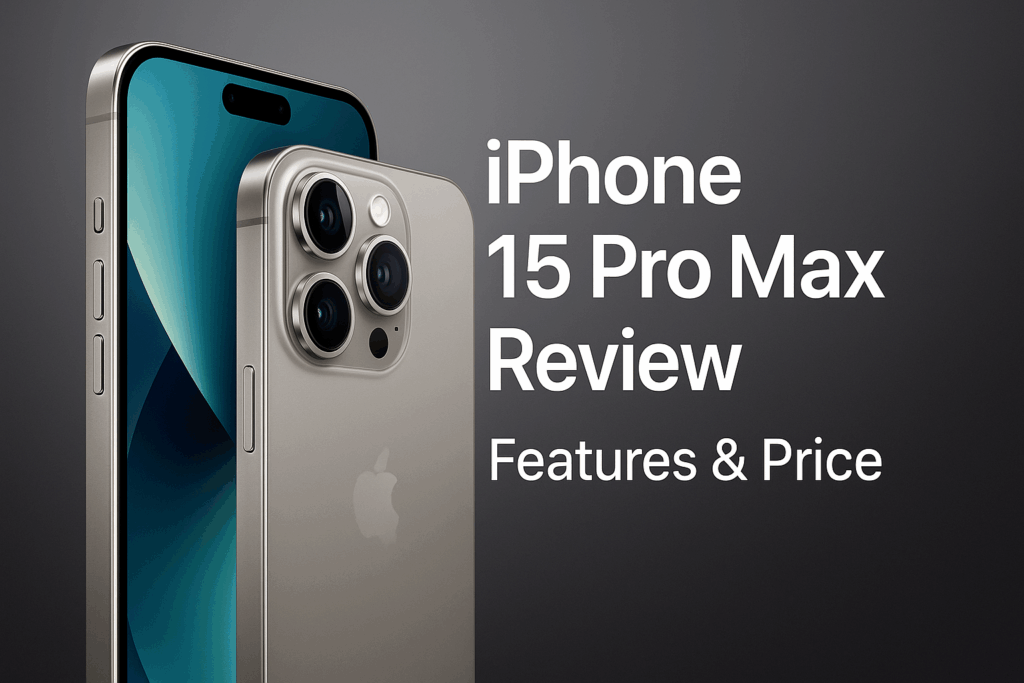
From foldable displays and transparent elements to modular components and AI-driven interfaces, 2025 has delivered some of the most daring and imaginative smartphone designs to date. This article ranks the most innovative smartphone designs of 2025, focusing on how each device rethinks form, function, and user experience rather than raw specifications alone.
What Makes a Smartphone Design Truly Innovative
Innovation in smartphone design goes beyond aesthetics. A truly innovative design solves real user problems, introduces new ways of interaction, or reimagines how hardware and software work together. It often involves a balance between visual appeal, practicality, durability, and comfort.
In 2025, innovation is driven by factors such as flexible displays, sustainable materials, thinner internal components, AI-assisted interfaces, and improved one-handed usability. Phones that successfully integrate these elements without compromising reliability or everyday convenience rise to the top of this ranking.
Ranking Criteria for 2025 Smartphone Designs
The smartphones ranked in this article are evaluated based on originality, practicality, build quality, long-term usability, and influence on the industry. Devices that introduce meaningful changes rather than gimmicks score higher, as do designs that are likely to shape future trends.
With these criteria in mind, let’s explore the most innovative smartphone designs of 2025, ranked from impressive to truly groundbreaking.
Rank 10: Xiaomi Mix Fold 4
The Xiaomi Mix Fold 4 earns its place on this list by refining the foldable phone concept with a thinner profile and improved hinge design. While foldables are no longer entirely new, Xiaomi’s approach focuses on making the device feel more like a traditional smartphone when folded.
The near-invisible crease, lightweight materials, and improved durability make it more practical for everyday use. Its design innovation lies in subtle refinement rather than radical reinvention, which is why it ranks lower despite being well executed.
Rank 9: OnePlus Open 2
The OnePlus Open 2 improves on its predecessor by combining premium materials with thoughtful ergonomics. Its slim foldable design emphasizes balance and comfort, making it easier to hold for long periods.
OnePlus focuses on minimizing compromises associated with foldables, such as weight distribution and awkward proportions. While it does not introduce an entirely new concept, it demonstrates how foldables can mature into mainstream designs.
Rank 8: Google Pixel 9 Pro
The Google Pixel 9 Pro stands out for its design philosophy rather than radical hardware changes. Google emphasizes clean lines, soft-touch materials, and a distinctive camera bar that has become instantly recognizable.
What makes the Pixel 9 Pro innovative is its deep integration of AI into the design experience. Subtle haptic feedback, adaptive interface elements, and context-aware visuals make the phone feel intelligent and responsive in ways that go beyond appearance.
Rank 7: Samsung Galaxy Z Flip 6
The Galaxy Z Flip 6 continues Samsung’s refinement of the flip-style foldable. Its compact clamshell design appeals to users who want a powerful smartphone that fits easily into pockets and small bags.
The larger and more functional cover display allows users to perform many tasks without opening the phone, changing how people interact with their devices. The design innovation here lies in usability and convenience rather than visual novelty alone.
Rank 6: Sony Xperia Concept Alpha
Sony’s Xperia Concept Alpha, released in limited markets, brings modular design elements back into the spotlight. It features interchangeable camera modules and audio components that cater to content creators and enthusiasts.
While modular phones have struggled in the past, Sony’s execution is more refined, focusing on core features rather than excessive customization. This design challenges the sealed, non-upgradable norm of modern smartphones.
Rank 5: Apple iPhone 17 Air
The iPhone 17 Air represents Apple’s boldest design shift in years. Prioritizing extreme thinness and lightweight construction, this model redefines premium minimalism.
Apple achieves this through redesigned internal components, a reinforced titanium-aluminum hybrid frame, and advanced battery layering. While the design remains familiar, its engineering sophistication and attention to tactile experience push it into the top five.
Rank 4: ASUS ROG Phone 9 Ultimate
The ASUS ROG Phone 9 Ultimate proves that gaming phones can be innovative without being overly flashy. Its design incorporates advanced cooling channels, pressure-sensitive touch zones, and customizable lighting integrated tastefully into the chassis.
What sets it apart is how form follows function. Every design element serves a purpose, whether improving grip during gaming or enhancing heat dissipation during extended sessions.
Rank 3: Motorola Rollable X 2025
Motorola’s Rollable X 2025 introduces a rollable display that expands vertically at the push of a button. This design allows the phone to remain compact while offering a larger screen when needed.
Unlike foldables, the rollable mechanism eliminates creases and hinges, creating a smoother visual experience. This innovation has the potential to influence future smartphone form factors significantly.
Rank 2: Samsung Galaxy Z Fold 6 Ultra
The Galaxy Z Fold 6 Ultra pushes foldable design closer to perfection. Its thinner hinge, improved durability, and tablet-like inner display blur the line between smartphone and productivity device.
Samsung’s advancements in multitasking, stylus integration, and seamless app transitions make this design feel purposeful rather than experimental. It represents the most refined foldable experience available in 2025.
Rank 1: Nothing Phone Vision
Taking the top spot is the Nothing Phone Vision, the most daring and innovative smartphone design of 2025. Building on the brand’s transparent design language, this device introduces a semi-transparent back with interactive light zones and contextual notifications.
The phone reimagines how users interact with notifications, charging status, and alerts through subtle visual cues rather than constant screen checks. Its bold aesthetic, combined with meaningful functionality, sets it apart from all competitors.
The Nothing Phone Vision proves that innovation can be both visually striking and genuinely useful, earning its place as the most innovative smartphone design of the year.
Design Trends Shaping Smartphones in 2025
Several key design trends emerge from this ranking. Foldable and rollable displays continue to evolve, becoming thinner and more durable. Sustainability also plays a growing role, with manufacturers using recycled materials and longer-lasting components.
User-centric design is another major trend. Phones are increasingly designed around how people actually use them, with better ergonomics, smarter interfaces, and reduced reliance on constant screen interaction.
Why Smartphone Design Matters More Than Ever
As performance differences narrow, design becomes a crucial differentiator. Innovative designs can improve productivity, reduce distractions, and enhance comfort, directly impacting how users experience their devices every day.
In 2025, smartphone design is not just about looking different but about thinking differently. The most successful designs are those that integrate creativity with real-world practicality.
Conclusion
The most innovative smartphone designs of 2025 demonstrate that the industry is far from stagnant. From rollable screens to transparent interfaces and ultra-thin engineering, manufacturers are exploring new directions with confidence and creativity.
While not every innovation will become mainstream, each of these designs contributes to the evolution of smartphones as versatile, personal, and intelligent devices. As competition continues to drive creativity, users can expect even more exciting and unconventional designs in the years ahead.