In an increasingly connected world, mobile devices have become our primary gateway to information, communication, banking, and entertainment. With public Wi-Fi hotspots, cellular networks, and IoT integrations, smartphones face a variety of threats—from man-in-the-middle attacks on unsecured networks to ISP tracking and data harvesting. A Virtual Private Network (VPN) is one of the most effective tools for encrypting your mobile traffic, masking your IP address, and preserving your privacy. But not all phones are built equally when it comes to VPN performance, hardware security, and seamless software integration.
In this comprehensive guide, we’ll explore the best VPN-ready phones of 2025. We’ll cover the criteria for selecting a VPN-friendly device, review the top contenders across Android and iOS, compare their performance and security features, and offer practical tips for optimizing VPN use on your mobile device. Whether you’re a privacy enthusiast, remote worker, or frequent traveler, this article will help you choose the ideal smartphone for secure, private browsing.
Why VPN Matters on Mobile
VPNs create an encrypted tunnel between your device and a remote server operated by the VPN provider. This ensures that:
- Your data is encrypted: Even if a hacker intercepts your mobile traffic on public Wi-Fi, they cannot read your data without the encryption key.
- Your IP address is hidden: Websites and services see the VPN server’s IP, not your real one, adding a layer of anonymity.
- Your location is masked: You can bypass geo-restrictions and access content from different regions.
- Your ISP cannot track your browsing: Your Internet Service Provider sees only an encrypted connection to the VPN server, not the sites you visit or services you use.
Mobile devices are especially vulnerable because users frequently connect to unsecured Wi-Fi networks in airports, cafes, hotels, and other public spaces. A VPN on your smartphone mitigates these risks and safeguards your sensitive activities—banking, business communications, and personal conversations.
Key Criteria for Selecting a VPN-Ready Phone
Not all smartphones handle VPNs the same way. Here are the features and specifications to look for:
- Powerful Processor & RAM: Encryption and decryption can be resource-intensive. A fast CPU and sufficient RAM ensure smooth VPN performance without significant battery drain or lag.
- Hardware Security: Secure Enclaves (Apple’s Secure Enclave, Google’s Titan M, Samsung Knox) protect VPN credentials, certificates, and keys from being tampered with or extracted.
- Long Battery Life: Continuous VPN use consumes additional power. Large batteries and efficient power management help maintain all-day privacy protection.
- Software Integration: Native VPN settings, support for IKEv2/IPsec and WireGuard protocols, and compatibility with leading VPN apps (ExpressVPN, NordVPN, Surfshark) make setup and daily use effortless.
- Regular Security Updates: Timely OS patches close vulnerabilities that could be exploited to bypass VPN tunnels or compromise the device.
- Network Performance: Wi-Fi 6/6E and 5G connectivity enable faster VPN throughput and lower latency, ensuring streaming and browsing remain smooth.
- Ease of Use: Intuitive VPN toggle in quick settings, per-app VPN routing, and split tunneling support enhance usability.
Top VPN-Ready Phones of 2025
Below are six smartphones—across Android and iOS—that excel in CPU power, hardware security, software support, and network performance for VPN users.
1. Apple iPhone 15 Pro
Key Specs:
- Chipset: A17 Pro with 6-core CPU and 6-core GPU
- RAM: 8 GB
- Storage: 128 GB / 256 GB / 512 GB / 1 TB
- Battery: 3,200 mAh
- Connectivity: 5G Sub-6 + mmWave, Wi-Fi 6E
- Security: Apple Secure Enclave, iOS 18 with 6 years of updates
Why It’s VPN-Ready:
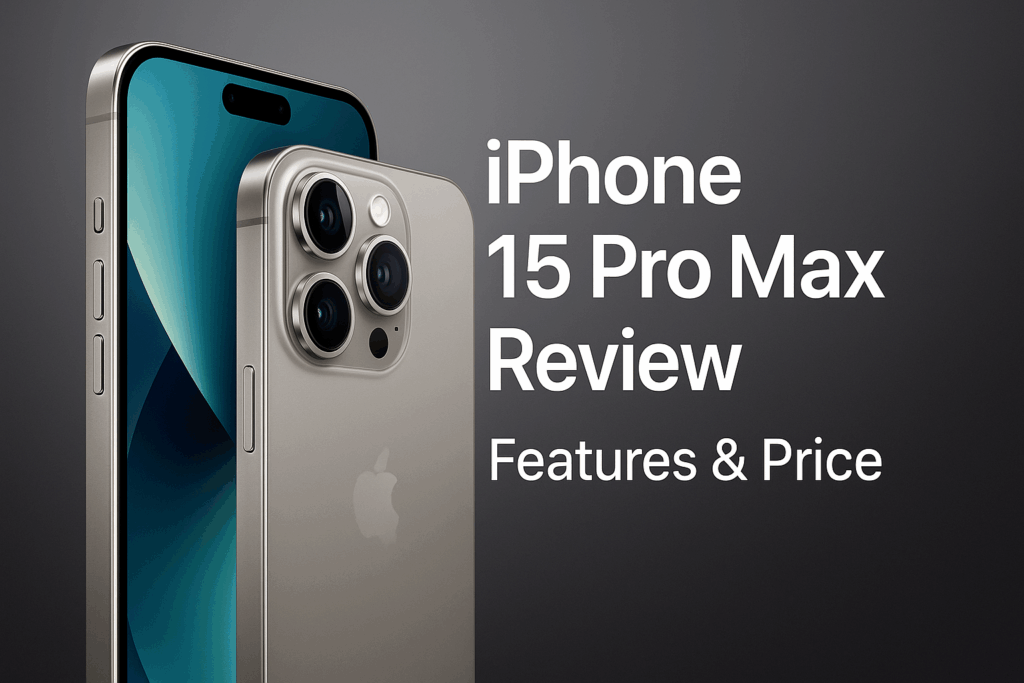
The iPhone 15 Pro’s Secure Enclave safeguards VPN credentials and encryption keys in a hardware-isolated environment. iOS 18 natively supports IKEv2/IPsec and L2TP, while top VPN providers offer seamless apps with WireGuard support. The A17 Pro’s powerful NPU and optimized power efficiency ensure that running a VPN in the background has minimal impact on battery life and performance. Apple’s regular security patches and long update window make it one of the most future-proof choices for privacy-focused users.
2. Google Pixel 8 Pro
Key Specs:
- Chipset: Google Tensor G3 with Titan M2 security chip
- RAM: 12 GB
- Storage: 128 GB / 256 GB / 512 GB
- Battery: 5,050 mAh
- Connectivity: 5G Sub-6 + mmWave, Wi-Fi 7
- Security: Titan M2 security module, Android 15 guaranteed updates for 5 years
Why It’s VPN-Ready:
Pixel 8 Pro includes Google’s Titan M2 chip, which stores VPN certificates, keys, and authentication tokens in a hardened environment separate from the main OS. Android 15’s VPN integration in Settings allows instant toggling and per-app VPN routes. Tensor G3’s NPU accelerates cryptographic tasks, delivering smooth VPN performance without overheating. Google’s commitment to five years of OS and security updates ensures a secure foundation for years of private browsing.
3. Samsung Galaxy S23 Ultra
Key Specs:
- Chipset: Snapdragon 8 Gen 2 for Galaxy
- RAM: 12 GB / 16 GB
- Storage: 256 GB / 512 GB / 1 TB
- Battery: 5,000 mAh
- Connectivity: 5G Sub-6 + mmWave, Wi-Fi 6E
- Security: Samsung Knox Vault, 4 years OS updates + 5 years security patches
Why It’s VPN-Ready:
Samsung Knox Vault isolates sensitive data—including VPN credentials—in a dedicated secure environment. One-tap VPN connection shortcuts can be added to the Edge Panel or Quick Settings. The Snapdragon 8 Gen 2’s AI Engine optimizes encryption workloads, and Samsung’s large battery ensures prolonged VPN sessions remain practical. Samsung’s extensive update policy keeps the phone hardened against emerging threats.
4. OnePlus 11
Key Specs:
- Chipset: Snapdragon 8 Gen 2
- RAM: 8 GB / 16 GB
- Storage: 128 GB / 256 GB / 512 GB
- Battery: 5,000 mAh
- Connectivity: 5G Sub-6 + mmWave, Wi-Fi 7
- Security: OxygenOS 13.1 with secure app sandboxing, two years OS + three years security updates
Why It’s VPN-Ready:
OnePlus 11’s OxygenOS enables easy VPN activation via Quick Settings and supports WireGuard for high-speed, low-latency connections. The Snapdragon 8 Gen 2 handles encryption tasks with ease. Although OnePlus offers a shorter update window, the phone’s combination of speed, price, and solid VPN app compatibility makes it a strong contender for cost-conscious privacy seekers.
5. Fairphone 5
Key Specs:
- Chipset: Snapdragon 7 Gen 3
- RAM: 8 GB
- Storage: 256 GB expandable via microSD
- Battery: 4,200 mAh removable
- Connectivity: 5G Sub-6, Wi-Fi 6
- Security: Modular design with replaceable security module, three years OS + five years security patches (Android 13 upgradeable)
Why It’s VPN-Ready:
Fairphone 5’s ethical design extends to privacy features. Its removable battery and modular components allow users to replace parts without losing VPN configurations stored on a secure module. Fairphone partners with privacy-focused OS communities (e.g., /e/OS) that offer de-googled, VPN-friendly builds. While not as powerful as flagship chips, the Snapdragon 7 Gen 3 chipset and 5G connectivity provide adequate VPN speeds for most users.
6. Google Pixel 7a (with GrapheneOS)
Key Specs:
- Chipset: Google Tensor G2
- RAM: 8 GB
- Storage: 128 GB
- Battery: 4,385 mAh
- Connectivity: 5G Sub-6, Wi-Fi 6
- Security: Titan M2, up to four years of GrapheneOS updates
Why It’s VPN-Ready:
Flashing GrapheneOS onto the Pixel 7a transforms it into a privacy-hardened device. GrapheneOS enforces strict sandboxing, hardened kernel policies, and blocks trackers by default. Built-in support for WireGuard, strong encryption libraries, and regular security patches make it an ideal platform for VPN users who demand maximum control and transparency. GrapheneOS also integrates VPN activation triggers, enabling automatic protection when joining untrusted networks.
Comparison Table
| Phone | Processor | Security Module | VPN Protocol Support | Battery | Update Policy |
|---|---|---|---|---|---|
| iPhone 15 Pro | A17 Pro | Secure Enclave | IPsec/IKEv2, L2TP, PPTP, WireGuard (third-party) | 3,200 mAh | 6 years iOS & security |
| Pixel 8 Pro | Tensor G3 | Titan M2 | IPsec/IKEv2, WireGuard, OpenVPN | 5,050 mAh | 5 years Android & security |
| Galaxy S23 Ultra | Snapdragon 8 Gen 2 | Knox Vault | IPsec/IKEv2, WireGuard, OpenVPN | 5,000 mAh | 4 years OS, 5 years security |
| OnePlus 11 | Snapdragon 8 Gen 2 | OxygenOS sandbox | WireGuard, OpenVPN | 5,000 mAh | 2 years OS, 3 years security |
| Fairphone 5 | Snapdragon 7 Gen 3 | Modular secure chip | IPsec/IKEv2, OpenVPN, WireGuard | 4,200 mAh (removable) | 3 years OS, 5 years security |
| Pixel 7a (GrapheneOS) | Tensor G2 | Titan M2 | WireGuard, OpenVPN, IPsec | 4,385 mAh | 4 years GrapheneOS |
Tips for Optimizing VPN Performance on Your Phone
- Choose the Right Protocol: Use WireGuard for modern, high-speed performance and battery efficiency or IKEv2/IPsec for stability on mobile networks.
- Select Nearby Servers: Connecting to a geographically close VPN server reduces latency and improves throughput.
- Enable Split Tunneling: Route only sensitive apps through the VPN while allowing others to use the direct connection for faster speeds.
- Use Always-On VPN: On Android and iOS, enable Always-On or per-profile VPN settings to ensure secure browsing whenever you’re online.
- Monitor Battery & Temperature: Prolonged encryption tasks can heat up the device. Close background apps and avoid resource-intensive tasks during long VPN sessions.
- Keep Apps and OS Updated: VPN apps and the operating system receive performance and security improvements—install updates promptly.
Conclusion
Choosing the right VPN-ready phone involves balancing hardware power, security architecture, software integration, and update commitments. Apple’s iPhone 15 Pro and Google’s Pixel 8 Pro stand out for their robust secure enclaves and long support cycles. Samsung’s Galaxy S23 Ultra combines flagship power with Knox Vault security, while OnePlus 11 and Fairphone 5 offer compelling choices for cost-conscious privacy enthusiasts. For the ultimate in control, a GrapheneOS-flashed Pixel 7a delivers unmatched hardening and transparency.
By selecting one of these top devices and following best practices—choosing optimal protocols, leveraging Always-On VPN, and keeping software current—you can ensure your mobile browsing remains private, secure, and unrestricted by location or network.
Which VPN-ready phone will you choose for your secure browsing needs? Share your thoughts and experiences in the comments below!