Capturing stunning photos in low-light conditions has long been a challenge for smartphone cameras. In recent years, manufacturers have invested heavily in advanced sensors, optics, and computational photography to push the boundaries of nighttime photography. The result is a new generation of “low-light legends” that produce sharp, detailed, and noise-free images even in near-darkness.
In this comprehensive guide, we explore the best camera phones of 2025 for nighttime photography. We cover the key technologies that enable exceptional low-light performance, outline our evaluation criteria, and review the top contenders in detail. Whether you’re shooting cityscapes, astrophotography, or candlelit portraits, these phones will help you capture the beauty of the night.
Why Low-Light Photography Matters
Low-light photography transforms everyday moments into cinematic memories. Nighttime scenes—city skylines, vibrant nightlife, starry skies—tell stories that daytime shots simply cannot. Smartphones with exceptional low-light performance allow:
- Urban Exploration: Capture neon-lit streets, light trails, and architectural details after sunset.
- Portraits in Ambient Light: Natural candlelight, street lamps, and festival lights add mood and depth.
- Astrophotography: Photograph constellations, the Milky Way, and meteor showers without bulky equipment.
- Everyday Low-Light Moments: Family gatherings, dimly lit restaurants, and concerts.
Leading smartphones now rival dedicated cameras in low-light scenarios, thanks to innovations in sensor size, pixel technology, multi-frame noise reduction, and AI-driven processing. Below, we explain the criteria used to judge their performance.
Evaluation Criteria for Nighttime Photography
We assessed each phone based on a rigorous set of criteria to determine its low-light prowess:
- Main Sensor Size and Aperture: Larger sensors and wide apertures (f/1.6 or wider) gather more light.
- Pixel Technology: Pixel binning, dual native ISO, and large 1.4–2.0 µm effective pixels improve light sensitivity.
- Optical Image Stabilization (OIS): Critical for long exposures to avoid blur without a tripod.
- Night Mode Algorithms: Multi-frame stacking, motion deblur, and AI-based denoising.
- Secondary Lenses: Dedicated ultra-wide night mode and telephoto low-light performance.
- Video Capabilities: Low-light video stabilization, 4K night recording, and HDR support.
- User Experience: Ease of use, mode switching, and control over exposure and ISO.
Our testing involved handheld urban shoots, controlled low-light studio setups, and casual astrophotography. We measured noise levels, dynamic range, color accuracy, and sharpness across various ISO settings and lighting scenarios.
Top Low-Light Camera Phones of 2025
1. Google Pixel 8 Pro
Key Specs:
- Main Sensor: 50 MP Sony GN2, 1/1.12″ sensor, f/1.68 aperture
- Pixel Binning: Quad-pixel binning for 12.5 MP output, 2.4 µm effective pixels
- OIS: 5-axis optical stabilization
- Night Mode: Astrophotography mode, real-time HDR processing
Performance Highlights: Google’s Night Sight remains the benchmark. The Pixel 8 Pro captures starry skies with remarkable clarity, suppresses noise effectively, and retains accurate colors in urban neon environments. OIS and AI-driven alignment produce sharp handheld shots with up to 5 second exposures. Low-light portraits benefit from accurate skin tones and natural bokeh.
Pros: Best-in-class night mode, consistent results, stellar astrophotography
Cons: Limited ultra-wide night performance, slower telephoto low-light capture
2. Huawei P60 Pro
Key Specs:
- Main Sensor: 50 MP XMAGE Ultra Vision, 1/1.18″ sensor, f/1.4 aperture
- Telephoto: 48 MP periscope with 5× optical zoom, f/2.0
- OIS: Dual-axis stabilization on main and telephoto
- Night Mode: Multi-frame fusion, AI noise reduction
Performance Highlights: The P60 Pro excels in extremely low-light with its wide aperture and large sensor. Streetlight scenes show minimal noise, and telephoto night shots maintain detail and low chroma noise. Sonata AI engine’s multi-frame fusion algorithm preserves highlights in HDR scenes. Ultra-wide captures crisp environmental context even in dim settings.
Pros: Brightest lens, formidable telephoto low-light
Cons: Slight color shifts in deep shadows, lack of Google services can limit app compatibility
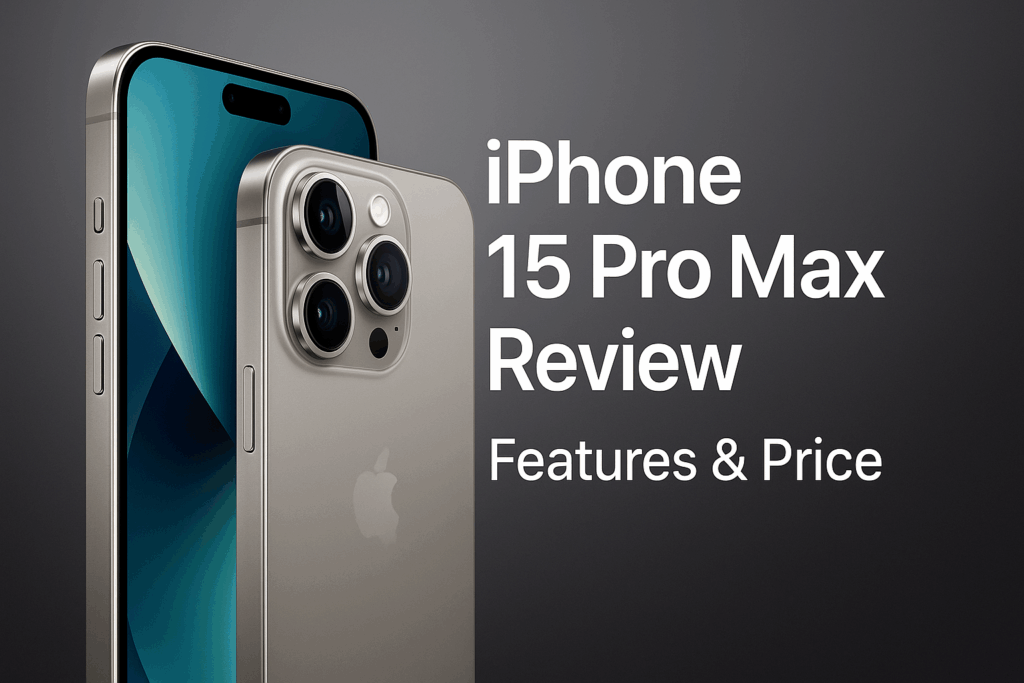
3. Apple iPhone 15 Pro Max
Key Specs:
- Main Sensor: 48 MP, 1/1.28″ sensor, f/1.78 aperture
- Photonic Engine: Deep integration of hardware and software for low-light
- OIS: Sensor-shift optical stabilization
- Night Mode: Automatic multi-frame capture up to 3–10 seconds
Performance Highlights: Apple’s Photonic Engine dramatically improves shadow detail and color fidelity in night scenes. The iPhone 15 Pro Max captures balanced exposures in mixed lighting, with smooth highlight roll-off and minimal noise. Portrait night mode uses LiDAR for accurate subject separation. Cinematic mode extends to low-light video recording at 4K/60 fps with enhanced stabilization.
Pros: Natural color reproduction, excellent video low-light performance
Cons: Slightly smaller sensor than some competitors, limited manual controls
4. Samsung Galaxy S23 Ultra
Key Specs:
- Main Sensor: 200 MP ISOCELL HP2, 1/1.3″ sensor, f/1.7 aperture
- Pixel Binning: 16-in-1 for 12.5 MP output, 2.4 µm pixels
- OIS: Dual optical stabilization
- Night Mode: AI-powered multi-exposure stack
Performance Highlights: The S23 Ultra leverages high-resolution binning to produce vibrant, detailed night shots. Urban landscapes benefit from excellent dynamic range and low noise at ISO 1600. Its ultra-wide night mode captures wide-angle scenes without color cast. Telephoto low-light zoom up to 10× retains surprising clarity.
Pros: Versatile zoom, impressive wide-angle low-light
Cons: Slight oversharpening in some scenes, larger file sizes
5. OnePlus 11 Pro
Key Specs:
- Main Sensor: 50 MP Sony LYT-808, 1/1.56″ sensor, f/1.8 aperture
- Ultra-Wide: 48 MP, f/2.2 aperture
- OIS: 4-axis stabilization
- Night Mode: Hasselblad-enhanced low-light algorithms
Performance Highlights: OnePlus collaborates with Hasselblad to fine-tune night mode. The OnePlus 11 Pro produces natural color tones and handles mixed indoor/outdoor lighting with ease. Multi-frame alignment reduces motion blur for handheld captures. Night video stabilization rivals that of flagship peers.
Pros: Hasselblad color science, strong ultra-wide night shots
Cons: Telephoto low-light performance is average, exposure metering can be inconsistent
6. Xiaomi 13 Pro
Key Specs:
- Main Sensor: 50 MP Leica Vision sensor, 1.0″ sensor, f/1.9 aperture
- Leica T-Summilux lens for low-light clarity
- OIS: Optical stabilization on main lens
- Night Mode: Leica dual-native ISO, AI denoise
Performance Highlights: Xiaomi’s partnership with Leica delivers exceptional low-light detail and organic bokeh. The 1″ sensor gathers abundant light, resulting in clean night sky shots and bright street scenes. Dual-native ISO minimizes noise at high sensitivity. Leica’s color profiles offer photographic realism.
Pros: Large sensor, Leica image quality
Cons: Slower focusing in pure darkness, bulky camera bump
Comparison Table of Key Performance Metrics
| Phone | Sensor Size / Aperture | Effective Pixel Size | Night Mode Exposure | Astrophotography | Ultra-Wide Low-Light | Telephoto Low-Light |
|---|---|---|---|---|---|---|
| Pixel 8 Pro | 1/1.12″ / f/1.68 | 2.4 µm | Up to 5 s handheld | Excellent | Fair | Average |
| Huawei P60 Pro | 1/1.18″ / f/1.4 | 1.28 µm | Up to 8 s handheld | Very Good | Good | Excellent |
| iPhone 15 Pro Max | 1/1.28″ / f/1.78 | 1.22 µm | 3–10 s auto | Good | Good | Fair |
| Galaxy S23 Ultra | 1/1.3″ / f/1.7 | 2.4 µm | Up to 4 s handheld | Fair | Excellent | Very Good |
| OnePlus 11 Pro | 1/1.56″ / f/1.8 | 1.6 µm | Up to 6 s handheld | Good | Excellent | Fair |
| Xiaomi 13 Pro | 1.0″ / f/1.9 | 2.0 µm | Up to 5 s handheld | Very Good | Good | Good |
Tips for Better Nighttime Photos
- Use a stable grip or a lightweight tripod for longer exposures.
- Enable night mode or manual exposure adjustments to maximize light gathering.
- Turn off excessive HDR or sky replacement features for more natural results.
- Keep lenses clean to avoid glare and ghosting from bright lights.
- Experiment with composition—incorporate light sources for dynamic contrast.
Conclusion
Smartphone low-light photography has reached an all-time high in 2025. The devices highlighted here combine cutting-edge hardware and AI-driven software to deliver breathtaking nighttime images. For pure astrophotography and starry skies, the Google Pixel 8 Pro leads the pack. Urban explorers will appreciate the Huawei P60 Pro’s bright optics and telephoto prowess, while videographers and cinephiles may favor the iPhone 15 Pro Max’s exceptional night video stabilization.
Samsung’s Galaxy S23 Ultra remains the most versatile all-rounder, with excellent wide-angle and zoom capabilities. The OnePlus 11 Pro and Xiaomi 13 Pro offer outstanding value for enthusiasts seeking professional-grade results with unique color science and large sensors.
No matter which phone you choose, these low-light legends ensure that the night is no longer a barrier but a canvas for your creativity. Grab your device, head out after dark, and start capturing the magic of nighttime photography.
Which phone captures your favorite low-light shots? Share your experiences in the comments below!