For a university student in Nigeria in 2025, a smartphone is not a luxury; it’s an essential survival tool. It’s your lecture hall for online classes, your library for late-night research, your notepad for capturing lecture slides, your social hub for staying connected, and your lifeline to family. Choosing the right phone is one of the most critical decisions you’ll make, an investment that can genuinely impact your academic success and social life. But in a market flooded with endless options from brands like Tecno, Infinix, Samsung, and Xiaomi, how do you find the perfect device that balances power, reliability, and, most importantly, a student-friendly budget?
The “best” phone isn’t the one with the biggest price tag or the flashiest design. The best student phone is a reliable partner. This device can endure long days on campus, survive unpredictable power supply, and handle every academic and social task you throw at it without breaking the bank. Forget the hype; this is the ultimate, no-nonsense 2025 buying guide, built from the ground up for the specific needs of students across Nigerian universities. 🇳🇬🎓
What *Really* Matters in a Student Phone in Nigeria? (The Criteria)
Before we dive into specific models, it’s crucial to understand the priorities. When you’re on a student budget, every Naira counts. Here are the six key features that should be at the top of your checklist.
1. Marathon Battery Life (The #1 Priority)
This is non-negotiable. Your day might start with an 8:00 AM lecture and end with a late-night study session in a common room with no available outlets. A phone that dies by 4 PM is a liability. You need a device that can confidently last a full day of heavy use—browsing, research, taking photos of notes, and social media. Look for a phone with a minimum battery capacity of **5,000mAh**, with 6,000mAh being the gold standard.
2. Blazing-Fast Charging
Fast charging is the perfect partner to a big battery. When NEPA decides to bless you with light for a short window, you need to make every minute count. A phone with fast charging (33W or higher) can give you hours of power from just a 30-minute charge. It’s a lifesaver that dramatically reduces battery anxiety.
3. A Big, Bright Screen
Your phone screen is your textbook, your cinema, and your research portal. A small, dim screen will strain your eyes. Look for a large display (6.6 inches or bigger) with a Full HD+ resolution. An AMOLED display will give you more vibrant colours, but a good quality LCD is perfectly fine. The crucial factor is brightness, ensuring you can read lecture notes even when sitting outside on campus.
4. Solid, Reliable Performance
You don’t need a top-of-the-line flagship processor, but you do need a phone that runs smoothly. Lagging and stuttering are frustrating when you’re trying to quickly look up information or switch between a PDF and your notes. Look for a phone with a capable mid-range processor (like a good MediaTek Helio G-series or Snapdragon 6-series chip) and, crucially, at least **6GB of RAM** to handle multitasking without constantly closing your background apps.
5. A “Good Enough” Camera
You’re a student, not a professional photographer. You need a main camera that is clear and sharp enough to capture whiteboard notes, scan documents, and take decent photos for your social media. Don’t be fooled by phones with four or five gimmicky lenses. A single, high-quality main sensor (48MP or higher) is far more valuable than extra 2MP macro or depth sensors you’ll never use.
The 2025 Champions: Best Phones for Every Student Budget
Category 1: The Budget Champions (Under ₦150,000)
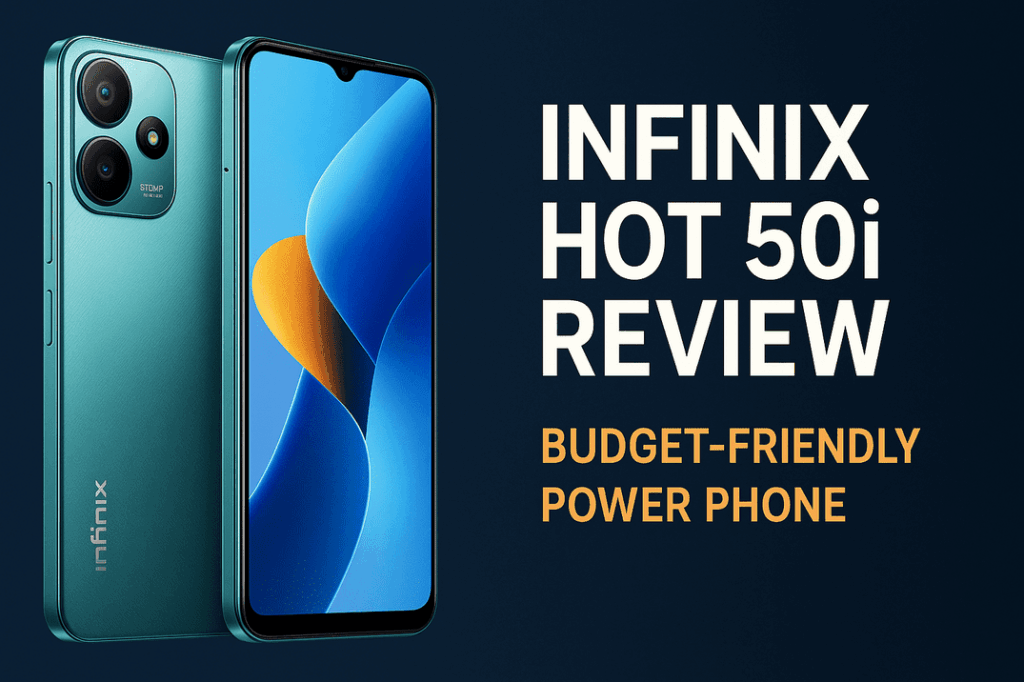
Top Pick: Infinix Hot 50 / Tecno Spark 21 Pro
Why they’re great for students: In this price range, Tecno and Infinix are the undisputed kings of value, and their latest Hot and Spark series models are built for student life. Their primary focus is on the absolute essentials. You can expect a **massive 6,000mAh battery** that will easily power you through two full days of moderate use. They also feature huge 6.8-inch displays, perfect for media and reading. Performance from their MediaTek processors is more than adequate for all your daily academic and social media tasks. They are the workhorses of the student world.
The One Compromise: To keep the price this low, the compromises come in the build and camera. The body is typically all-plastic, and the camera, while decent in good light, will struggle in challenging low-light conditions. But for pure battery endurance and value, they are unbeatable.
Category 2: The Mid-Range All-Stars (₦150,000 – ₦300,000)
This is the sweet spot of the market, where you get the best balance of features and price. You have two excellent philosophies to choose from.
Top Pick 1: Xiaomi Redmi Note 14
Why it’s great for students: The Redmi Note series is legendary for a reason. This is where you get your first real taste of a premium experience. The Note 14 will likely feature a stunning **120Hz AMOLED display** that feels incredibly smooth and looks far more expensive than it is. It will also have a much more capable **108MP main camera** for significantly better photos, and very fast charging (at least 33W, often 67W). It’s a phone that feels like a flagship in the areas you interact with most: the screen and the camera.
The One Compromise: Xiaomi’s MIUI/HyperOS software can be a bit busy for some, with pre-installed apps and occasional ads in the UI, which you can usually disable.
Top Pick 2: Samsung Galaxy A36
Why it’s great for students: The Galaxy A36 is the choice for the student who values software and polish. You get Samsung’s beautiful Super AMOLED display and a very reliable main camera. But its biggest advantage is the software. Samsung’s **One UI is clean, intuitive, and bloat-free.** Crucially, Samsung offers the best long-term software support in the Android world, with years of OS and security updates. This makes the A36 a smart, secure, and long-lasting investment that will stay modern throughout your university years.
The One Compromise: To get that polished software and long-term support, you usually sacrifice a bit on raw specs. The processor and charging speed on the Galaxy A36 will likely be a step behind what the Redmi Note 14 offers at a similar price.
Category 3: The “Affordable Flagship” Powerhouses (₦300,000 – ₦500,000)
Top Pick: Tecno Camon 30 / Infinix Note 50 Pro
Why they’re great for students: For the student who is also a serious content creator, gamer, or just wants more power, this is the category to watch. The latest Camon and Note Pro series devices from Tecno and Infinix offer an incredible package. You can expect a more premium **glass and metal design**, a near-flagship level processor that will handle any game you throw at it, and a much more advanced camera system, often with **Optical Image Stabilization (OIS)** for clearer photos and smoother videos. The charging speeds here are also phenomenal, often exceeding 70W.
The One Compromise: The price is a significant step up, and while the hardware is top-notch, the software experience might not feel as refined as what you get from a Samsung at a similar price.
Special Mention: What About a Used iPhone?
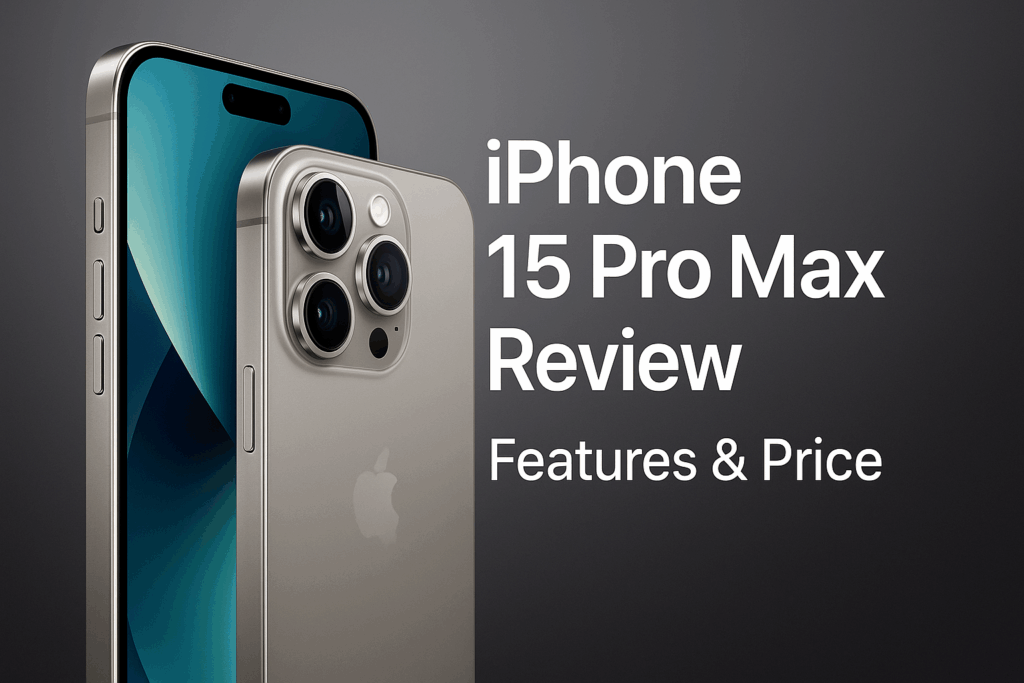
The allure of the Apple logo is strong, and a used iPhone 12 or 13 can often be found within the “Affordable Flagship” price bracket. The pros are obvious: the incredibly smooth iOS, a fantastic camera, and the status symbol. However, for a student in Nigeria, this is a **high-risk, low-reward strategy.** The biggest issue is **battery health**. A two or three-year-old iPhone will likely have a degraded battery that will struggle to last a full day. Furthermore, repair costs are exorbitant, and the risk of buying a stolen or faulty device from an unofficial seller is very high. For the vast majority of students, a **new, reliable Android with a fresh battery and a full one-year warranty is the smarter, safer, and more practical choice.**
Conclusion: Making the Smart Choice for Your University Journey
Your phone is a critical tool for your success as a student. The best choice is not the flashiest or the most expensive, but the most reliable partner for your academic journey. By focusing on the fundamentals—a massive battery, fast charging, a great screen, and solid performance—you can find an incredible device that will serve you well for years without breaking the bank. The Nigerian market in 2025 is filled with fantastic options that prove you don’t need a flagship budget to get a flagship experience where it truly counts. Choose wisely, and your phone will be one of your most valuable assets in achieving your university dreams.