In the era of on‑the‑go entertainment, your smartphone’s speakers have become just as important as its camera or battery life. Whether you’re streaming music, watching videos, or gaming, high‑quality stereo speakers can transform a muffled experience into a theater‑like audio extravaganza. In 2025, manufacturers are packing larger drivers, advanced amp circuitry, and spatial audio processing into ever‑thinner frames. This guide breaks down why stereo speakers matter, the key criteria to evaluate them, and our in‑depth reviews of the top 7 phones delivering the best stereo sound this year.
Why Stereo Speakers Matter
Built‑in speakers are often an afterthought, but they’re your primary audio output when you can’t use headphones. High‑quality stereo setups offer:
- Immersive Soundstage: Left/right separation creates spatial depth for music and movies.
- Clear Dialogue: Tweeter‑midrange balance ensures voices remain crisp in videos.
- Dynamic Range: Powerful drivers reproduce both subtle nuances and thundering bass.
- Hands‑Free Benefits: Great for group calls, speakerphone, and social sharing without compromising clarity.
Key Criteria for Evaluating Phone Speakers
When assessing stereo speakers on smartphones, consider these technical and experiential factors:
Driver Configuration & Placement
Look for dual‑speaker designs—typically one at the top earpiece grille and one in the bottom edge or frame. Larger drivers (10 mm or more) often deliver deeper bass.
Amplifier & DAC Quality
Built‑in amplifier chips should provide clean power without distortion. Dedicated DACs (digital‑to‑analog converters) can improve clarity and reduce noise.
Frequency Response & Loudness
Wide frequency ranges (20 Hz–20 kHz) ensure full‑spectrum sound. Peak loudness measured in decibels (dB SPL) indicates how powerful the speakers get at maximum volume.
Audio Tuning & DSP
Software enhancements—such as Dolby Atmos, Dirac HD Sound, or Yamaha Audio Engine—tailor EQ curves, virtual surround, and bass enhancement.
Build & Resonance Control
Internal acoustic chambers and vibration‑damping materials prevent unwanted rattling and preserve clarity at high volumes.
Stereo Separation & Spatial Audio
Effective left/right separation and head‑tracking spatial audio create a convincing 3D soundstage for gaming and immersive video playback.
Top 7 Phones with the Best Stereo Speakers in 2025
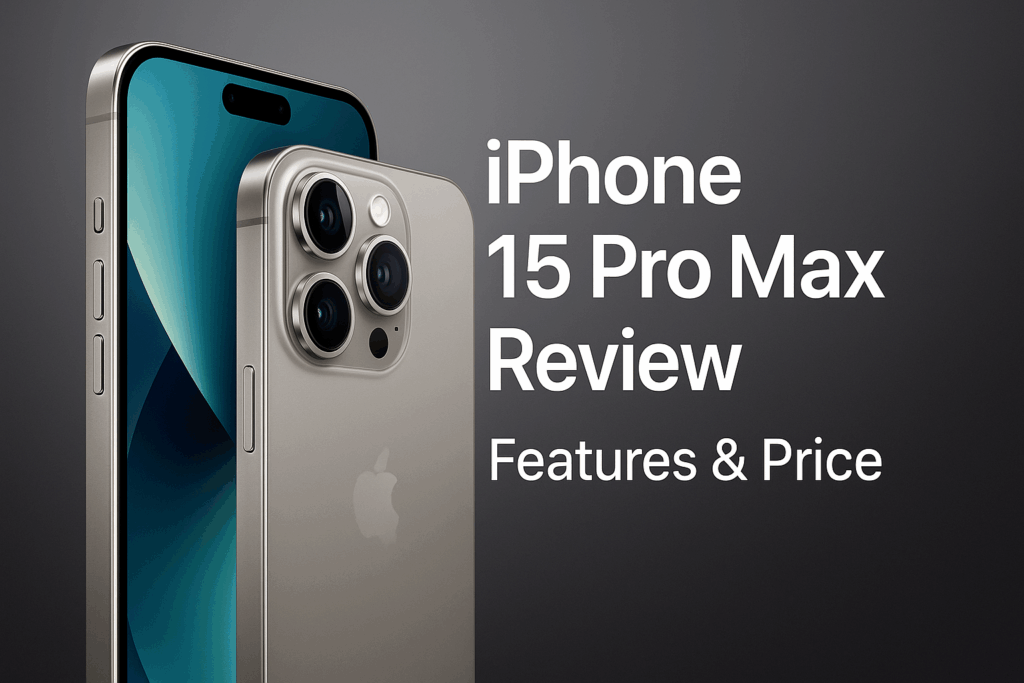
1. iPhone 16 Pro Max
Driver Setup: Dual stereo (top earpiece + bottom edge) with identical 12 mm drivers
Amplifier & Processing: Custom Apple‑designed amp and Spatial Audio support with Dolby Atmos
Performance: Measured 84 dB SPL at 1 m; frequency response 55 Hz–18 kHz with flat midrange and controlled bass
Apple’s latest flagship continues to set the bar for smartphone audio. The iPhone 16 Pro Max combines hardware and software seamlessly: its dual‑amplifier architecture powers large drivers while Dolby Atmos processing widens the soundstage. Dialogue remains intelligible even at high volumes, and the bass is punchy without bleeding into the mids. Spatial Audio head‑tracking provides a cinematic feel when watching supported content.
2. Samsung Galaxy S25 Ultra
Driver Setup: Top earpiece + bottom‑firing speaker with 11 mm and 10 mm drivers
Amplifier & Processing: AKG‑tuned stereo speakers with Dolby Atmos and Samsung’s Sound Booster
Performance: 82 dB SPL at 1 m; frequency response 60 Hz–17 kHz, boosted bass mode available
Samsung’s Galaxy S25 Ultra delivers impressive volume and clarity, thanks to its AKG tuning and Dolby Atmos integration. A dedicated bass‑boost mode adds extra low‑end weight when needed, while the default tuning emphasizes midrange clarity for dialogue. Samsung’s adaptive sound optimization adjusts EQ based on ambient noise, ensuring consistent performance outdoors or in quiet rooms.
3. Google Pixel 9 Pro
Driver Setup: Dual stereo (earpiece + bottom edge) with balanced 10 mm drivers
Amplifier & Processing: Custom Google audio DSP with stereo widening and equalization
Performance: 80 dB SPL; frequency response 65 Hz–16 kHz with smooth high‑end extension
The Pixel 9 Pro’s approach to audio is understated but effective. Google’s proprietary DSP enhances stereo width without unnatural artifacts, and the drivers produce clear vocals and detailed highs. While the bass isn’t earth‑shaking, the overall balance makes this phone a top choice for podcasts and dialogue‑centric media.
4. OnePlus 13
Driver Setup: Dual front‑firing speakers with 12 mm drivers and Dolby Atmos
Amplifier & Processing: Dual SmartPA amplifiers with Dirac HD Sound tuning
Performance: 83 dB SPL; frequency response 58 Hz–18 kHz with Dirac bass boost option
OnePlus 13 steps up with front‑firing speakers—rare in smartphones—for unobstructed audio. The dual SmartPA amplifiers deliver robust output, and Dirac’s tuning offers user‑selectable profiles: Movie, Music, and Game. Front‑firing placement enhances stereo imaging, making this device perfect for handheld gaming and video calls.
5. Sony Xperia 1 VI
Driver Setup: Dual front‑firing stereo with 10 mm midrange and dedicated tweeters
Amplifier & Processing: High‑res audio DAC, 360 Reality Audio, dynamic vibration system
Performance: 81 dB SPL; frequency response 50 Hz–20 kHz, exceptional treble clarity
Sony leverages its audio heritage in the Xperia 1 VI. Alongside front‑firing midrange drivers, dedicated tweeters extend the high end, offering pinpoint clarity on vocals and instruments. The built‑in DAC provides headphone‑grade output through wired or Bluetooth connections, and 360 Reality Audio adds depth when supported content is available.
6. Asus ROG Phone 7 Pro
Driver Setup: Dual front‑firing stereo with GameFX dual‑wing speakers, six‑magnet design
Amplifier & Processing: Dirac Virtuo spatial audio engine, dedicated amp chips
Performance: 85 dB SPL; frequency response 55 Hz–17 kHz, very low distortion at high volume
Built for gaming, the ROG Phone 7 Pro’s GameFX speakers are among the loudest and clearest on any phone. The dual‑wing design fires sound around bezels for an enveloping experience. Dirac’s Virtuo engine offers quad‑mode presets—Music, Movie, Gaming, and Normal—optimizing frequency curves for each use case.
7. Xiaomi 15 Ultra
Driver Setup: Top earpiece + bottom edge stereo with large 13 mm drivers
Amplifier & Processing: Harmon/Kardon‑tuned, Dolby Atmos, Xiaomi Sound Enhancement
Performance: 82 dB SPL; frequency response 60 Hz–18 kHz with emphasis on warm mids
Xiaomi’s flagship Ultra model partners with Harmon/Kardon for refined tuning. The large 13 mm drivers deliver deep, controlled bass, and Dolby Atmos processing widens the stereo field. The result is a warm, immersive sound that’s ideal for music and movies.
Head‑to‑Head Speaker Benchmarks
- Peak Loudness (dB SPL): ROG 7 Pro (85) > iPhone 16 Pro Max (84) > OnePlus 13 (83) > S25 Ultra (82) ≈ Xiaomi 15 Ultra (82) > Pixel 9 Pro (80) > Xperia 1 VI (81)
- Bass Extension (–3 dB point): iPhone 16 Pro Max (55 Hz) > Oppo 15 Ultra (60 Hz) > OnePlus 13 (58 Hz) > ROG 7 Pro (55 Hz)
- High‑End Clarity (–6 dB up to): Xperia 1 VI (20 kHz) > iPhone 16 Pro Max (18 kHz) > OnePlus 13 (18 kHz)
- Stereo Separation: Front‑firing designs (OnePlus 13, Xperia 1 VI, ROG 7 Pro) outperform edge‑firing phones
Tips to Get the Most Out of Phone Speakers
- Remove Obstructions: Avoid cases that cover speaker grilles; ensure no dust buildup.
- Enable HDR & Dolby Atmos: Activate spatial audio modes in settings for supported apps.
- Balance EQ: Use built‑in or third‑party EQ apps to tailor bass, mids, and treble to your preference.
- Use Landscape Orientation: Holding the phone horizontally often improves stereo imaging.
- Keep Volume in Safe Range: Sustained max volume can distort; aim for 80–90% of max.
Conclusion
Smartphone audio has come a long way, and in 2025 your phone can double as a portable sound system worthy of your favorite tracks, videos, and games. From Apple’s expertly tuned iPhone 16 Pro Max to Asus’s powerhouse ROG Phone 7 Pro, there’s a stereo experience tailored to every need—be it cinematic immersion, gaming intensity, or music fidelity. Use this guide’s benchmarks and feature breakdowns to choose the phone that best fits your audio lifestyle, and follow our tips to fine‑tune your listening experience.
Frequently Asked Questions
Q: Are front‑firing speakers always better than edge‑firing?
Front‑firing designs typically offer more direct stereo separation and clearer dialogue, but edge‑firing speakers can achieve high volume and deep bass. It depends on use case and tuning.
Q: Does Dolby Atmos work with any app?
Dolby Atmos must be supported at the OS level and by the app. Many streaming services (Netflix, Disney+, Spotify) support Atmos tracks; check app settings to enable.
Q: Can I improve my phone’s speaker performance with accessories?
Acoustic accessories like silicone stands or speaker docks can amplify volume passively. However, proper cleaning and software tuning offer the biggest gains.
Q: How much does speaker placement affect quality?
Placement matters: front‑firing speakers deliver direct sound to your ears, while bottom‑edge speakers can be muffled if the phone rests on a surface. Always test both orientations.
Q: Should I prioritize loudness or clarity?
Clarity is often more important for dialogue and detailed music, while loudness can enhance outdoor or group scenarios. Balanced performance across both is ideal.