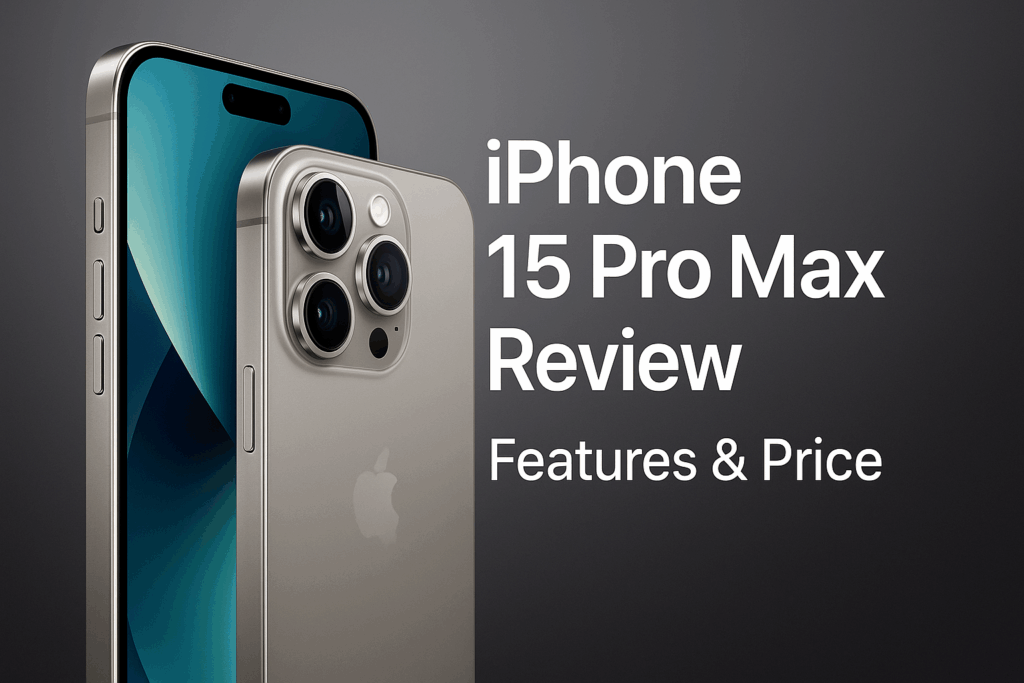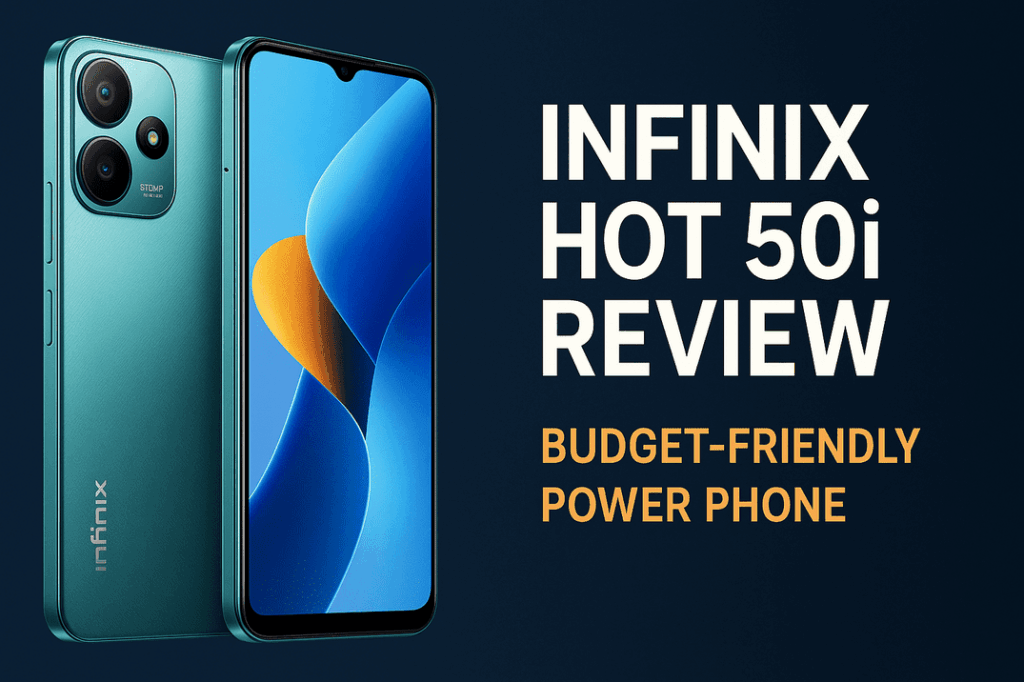
The word “Pro” has been hijacked. It once signified a clear distinction, a tool for professionals who genuinely needed the extra power or specialized features. Today, it’s a marketing buzzword slapped onto everything from earbuds to smartphones, creating a confusing landscape for consumers. In the Nigerian smartphone market, you can find a “Pro” phone for ₦350,000 and another for a staggering ₦1.5 million. The implication is that they both offer a professional, elevated experience. But is that reality?
This raises the ultimate consumer question: Does spending more money actually buy a proportionally better phone? When you climb the price ladder from a mid-range “Pro” to an ultra-premium “Pro,” what are you truly paying for? Is it tangible, day-to-day improvement, or are you just paying for bragging rights and features you’ll never use? We decided to settle this debate by pitting three distinct tiers of “Pro” phones against each other. Let’s dissect the real-world differences and find out where the smart money lies in the great battle of the “Pro” models.
Round 1: Raw Performance – The Engine Under the Hood
Performance is often the first metric people look at, but the story here is one of diminishing returns.
The Ultra-Premium “Pro” (e.g., iPhone 17 Pro Max, Samsung S25 Ultra): This is the pinnacle of mobile processing. Powered by chips like Apple’s A19 Bionic or Qualcomm’s Snapdragon 8 Gen 4, these phones are absurdly powerful. They can edit multiple streams of 4K video, run console-quality games at the highest settings without breaking a sweat, and handle any app you throw at them for the next five years. The performance is absolute, uncompromising, and for most users, completely overkill.
The “Flagship Killer” Pro (e.g., OnePlus 13T, Samsung S25 FE): This tier makes a smart play. It often uses the very same top-tier processor as the ultra-premium models, or perhaps the flagship chip from the previous year. For 99% of all tasks—from gaming to heavy multitasking—the real-world performance is virtually indistinguishable from its more expensive sibling. The only place you might notice a difference is in highly specialized tasks like processing 8K video, which very few people actually do.
The Mid-Range “Pro” (e.g., Redmi Note 15 Pro, Samsung A76): Here, the “Pro” name signifies it’s the best of its family. It uses a capable upper mid-range chipset, like a MediaTek Dimensity 8000 series. For the vast majority of smartphone users in Nigeria, this is the performance sweet spot. It flies through all the apps that matter: WhatsApp, Instagram, TikTok, banking apps, and streaming services. It can even handle popular games like Call of Duty Mobile smoothly at medium to high settings. You only feel its limits when pushing the most graphically intensive titles at their absolute maximum.
The Nigerian Context Verdict: For an average user in Lagos whose daily digital life revolves around social media, communication, and content consumption, the performance difference between a ₦400k phone and a ₦1.5M phone is purely academic. The mid-range “Pro” is more than powerful enough. The true value of the ultra-premium processor isn’t its day-one speed, but its longevity—it will still feel fast in four or five years. However, for sheer performance-to-price ratio, the “Flagship Killer” tier offers the most sensible investment for power users.
Round 2: The Camera – A Battle of Sensors, Lenses, and Software
If performance is a story of diminishing returns, the camera is where spending more money yields the most visible and tangible benefits.
The Ultra-Premium “Pro”: This is where your money goes. These phones don’t just have a “good” camera; they have a versatile camera system. This includes a large, state-of-the-art main sensor that excels in all lighting conditions, especially at night. But the real difference lies in the secondary lenses. A powerful telephoto lens with 5x or 10x optical zoom allows you to capture crisp, detailed shots from a distance—perfect for concerts, events, or capturing architectural details. The ultrawide camera is also top-quality, with excellent colour consistency that matches the main lens. Add in professional-grade video formats and advanced computational photography, and you have a tool that can genuinely replace a dedicated camera for many creators.
The “Flagship Killer” Pro: This tier typically inherits the excellent main camera sensor from the premium models, meaning in good daylight, your photos can look just as stunning. The compromise is almost always with the secondary cameras. The telephoto lens might be a lower-quality 2x or 3x zoom, and the ultrawide sensor is usually a significant step down in detail and low-light performance. The camera system is less consistent but still excellent for point-and-shoot photography.
The Mid-Range “Pro”: The strategy here is “shock and awe.” These phones often boast a massive 108MP or 200MP main camera. In bright, sunny conditions, they can produce incredibly detailed and vibrant photos that look amazing on Instagram. However, their smaller sensors and less sophisticated software struggle with consistency. Dynamic range can be a challenge, and low-light photos are noticeably softer and noisier than the more expensive tiers. The secondary cameras are often afterthoughts—a low-resolution ultrawide and a virtually useless 2MP macro lens to pad the spec sheet. The zoom is purely digital and falls apart quickly.
The Nigerian Context Verdict: This depends entirely on your needs. For the average person sharing photos of their life and outings on social media, the main camera on a modern mid-range “Pro” is fantastic. However, if you are a content creator, a parent who wants to zoom in on their child playing, or anyone who values photographic consistency in tricky lighting (like an evening wedding or a dimly lit restaurant), the ultra-premium “Pro” offers a genuinely superior and more reliable creative tool. More money absolutely buys a better, more versatile camera system.
Round 3: Display and Build – The Things You See and Feel
The experience of using a phone is deeply tied to the quality of its screen and the materials in your hand.
The Ultra-Premium “Pro”: You are paying for the best of the best. This means the most advanced display technology (like LTPO, which allows for a variable refresh rate to save battery), the highest peak brightness for outdoor visibility, perfect colour accuracy, and the toughest glass (like Apple’s Ceramic Shield). The build materials are exotic and durable, like titanium and surgical-grade stainless steel. It feels every bit as expensive as it is.
The “Flagship Killer” Pro: The display is still excellent—almost always a high-quality AMOLED panel with a 120Hz refresh rate. The key differences are subtle: the peak brightness might be a notch lower, and it might lack the advanced LTPO technology. The build materials are a step down but still premium, typically an aluminum frame and strong Gorilla Glass.
The Mid-Range “Pro”: Surprisingly, the display is often a standout feature. To attract customers, manufacturers put bright, fluid 120Hz AMOLED screens even on these more affordable models. To the casual eye, it can look just as good as a phone costing three times as much. The major cost-cutting measure is the build. You’ll almost always find a plastic frame and less durable glass on the front and back. It doesn’t feel as dense or as premium in the hand.
The Nigerian Context Verdict: In terms of pure viewing pleasure, the mid-range “Pro” offers incredible value. However, the superior peak brightness of the ultra-premium models is a significant practical advantage under the intense Lagos sun, making the phone much easier to use outdoors. Furthermore, the more durable build materials and glass on expensive phones could mean the difference between surviving a drop and facing a screen repair bill that costs as much as a new mid-range phone. Durability is a feature worth paying for.
Round 4: Battery and Charging – The Everyday Survival Test
This is a category where the hierarchy gets turned on its head, and the results might surprise you.
The Ultra-Premium “Pro”: These phones have good, all-day battery life, thanks to highly efficient processors and software. However, they are often surprisingly conservative with charging speeds. The latest iPhone, for example, still maxes out at speeds that are dwarfed by its cheaper competitors.
The “Flagship Killer” Pro: This tier often makes fast charging a key selling point. It’s common to see speeds of 80W, 100W, or even 120W, allowing a full charge in well under 30 minutes. Battery life is typically robust as well.
The Mid-Range “Pro”: This is often their ace in the hole. To stand out, these phones frequently combine a massive battery (5000mAh is standard) with incredibly fast charging (67W or 120W). They are built for endurance and rapid recovery.
The Nigerian Context Verdict: In a country where the power supply is anything but guaranteed, charging speed is not a luxury—it’s an essential survival feature. The ability to get 80-100% of your battery back in the 25 minutes that the generator is on is profoundly more useful than wireless charging. In this crucial, real-world metric, the mid-range and “flagship killer” “Pro” models are not just better; they are overwhelmingly superior. Here, spending less money often gets you a more practical feature.
The X-Factor: Ecosystem, Software, and Status
A phone is more than a collection of specs. The long-term experience is shaped by software, support, and other intangibles.
The Ultra-Premium “Pro”: This is their undisputed trump card. An iPhone offers 5-7 years of consistent software updates, meaning the device stays secure and gets new features for far longer. The Apple ecosystem is a powerful, seamless experience if you own other Apple products. Furthermore, the device is a powerful status symbol and holds its resale value remarkably well.
The “Flagship Killer” Pro: Software support is getting better, with many brands now offering 3-4 years of updates. However, the ecosystem is less integrated, and the resale value is only moderate.
The Mid-Range “Pro”: This is their greatest weakness. Software support is often the first thing to be cut to save costs. You might only get 2 years of major updates. The software can also be cluttered with pre-installed apps (bloatware). The resale value after two years is typically very low.
The Nigerian Context Verdict: This is a massive win for the ultra-premium tier. The long-term software support means that a three-year-old iPhone is often a more secure and reliable device than a three-year-old mid-ranger. For those who view their phone as a long-term investment, the higher initial cost can be justified by its longevity and superior resale value. And in a society where perception matters, the status of owning a flagship iPhone or Samsung is a powerful, if unquantifiable, feature for many.
The Final Calculation: Is More Money “Better”?
So, we return to our original question. The answer is a nuanced “yes, but…”
Yes, spending more money gets you a phone that is objectively better in several key areas. The ultra-premium “Pro” models have demonstrably more versatile camera systems, more durable and luxurious builds, brighter screens, and a far longer lifespan thanks to superior software support. These are not imaginary differences.
However, it does not always buy a better day-to-day experience for every user. For the core smartphone functions—communication, social media, browsing, and watching videos—the experience on a ₦400k “Pro” is 95% identical to that on a ₦1.5M “Pro”. And in some locally crucial metrics, like charging speed, the cheaper phone is often the champion.
The “best” phone is not the one with the highest price tag; it’s the one whose premium features align with your personal needs.
- Buy the Mid-Range “Pro” if: You are a pragmatic user who wants the best value for your money. You want a great screen, a reliable main camera for daylight shots, and a battery that lasts forever and charges in minutes. This is the smartest financial choice for most people.
- Buy the “Flagship Killer” Pro if: You are a power user or a gamer. You want the absolute best performance for the lowest possible price and are willing to sacrifice some camera versatility and build quality to get it.
- Buy the Ultra-Premium “Pro” if: You are a content creator, business professional, or photography enthusiast who will leverage the superior, versatile camera system. It’s also for the user who values long-term software support, ecosystem integration, and plans to keep their device for 3+ years, or for whom the phone is an important status symbol.
Conclusion: Define Your “Pro”
The word “Pro” has lost its singular meaning. It now exists on a spectrum. The ultimate lesson from this battle is the importance of self-awareness. Before you get swayed by marketing, you must first define what a “professional” or “premium” experience means to you. Is it the flexibility to capture a clear photo of a bird from 50 feet away? Or is it the peace of mind of getting a full charge before the power goes out? Is it the longevity of five years of security updates, or the financial freedom of saving a million Naira?
The most expensive phone is the undisputed champion of specs, but it is not the undisputed champion of value. The best “Pro” phone is the one that is pro at solving your problems. For a growing number of people, the answer to that problem is found much further down the price list.