Navigating university life in Nigeria in 2025 is a digital affair. Whether you’re a student at the University of Lagos, Obafemi Awolowo University, the University of Nigeria, Nsukka, or any other tertiary institution across the nation, your smartphone is an indispensable tool. It’s your mobile library, your connection to classmates and study groups via WhatsApp, your source of entertainment during those long commutes or downtime in the hostel, and your gateway to vital information and online resources.
However, as a student, your budget is likely a key consideration. The dream of owning the latest, top-of-the-line flagship might be tempting, but practicality often dictates a more value-conscious approach. The good news is that in 2025, the smartphone market offers a plethora of excellent devices that cater specifically to the needs of students, delivering a fantastic balance of performance, features, and affordability.
This comprehensive buying guide is designed to cut through the noise and help you identify the best smartphone for your academic journey and social life in Nigeria. We’ll explore the key features that matter most to students and highlight some of the top contenders in 2025 that offer the most bang for your Naira.
What Matters Most to Students in a Smartphone?
When choosing a smartphone, students typically prioritize the following features:
- Affordability: This is often the most crucial factor. Students need a phone that fits within their limited budget without compromising too much on essential features.
- Battery Life: Long days filled with lectures, study sessions, and social activities demand a phone that can last from morning till night without needing a recharge, especially considering potential power outages in hostels or during commutes.
- Performance for Everyday Tasks: The phone needs to be capable of handling note-taking apps, research, video calls for online classes, social media, and light multitasking without lag or slowdowns.
- Decent Camera: A good camera is essential for capturing lecture slides, taking photos with friends, and documenting campus life for social media.
- Reliability and Durability: Student life can be demanding, and phones might endure a few bumps and scrapes. A phone that is built to last and can withstand everyday wear and tear is a significant plus.
- Storage: Sufficient storage is needed for apps, notes, assignments, photos, videos, and downloaded study materials.
- Connectivity: Reliable Wi-Fi and strong cellular connectivity are vital for accessing online resources and staying connected with peers.
Top Smartphone Categories for Students in 2025
To cater to different needs and budgets, we’ve broken down our recommendations into a few key categories:
1. The Ultimate Value Champions (Budget-Friendly Powerhouses)
These phones deliver the absolute most for your money, offering a surprisingly good experience without breaking the bank.
- Xiaomi Redmi Note Series (e.g., Redmi Note 14): Xiaomi’s Redmi Note series has consistently impressed with its aggressive pricing and well-rounded feature sets. Expect a large, vibrant display, a capable processor for everyday tasks and some light gaming, a decent camera, and a large battery with fast charging. These phones often pack features that are typically found on more expensive devices.
- Tecno Camon Series (e.g., Camon 30): Tecno has made significant strides in recent years, focusing on camera quality and battery life in their budget-friendly offerings. The Camon series often boasts impressive camera systems for their price range, along with large batteries that can easily last a full day.
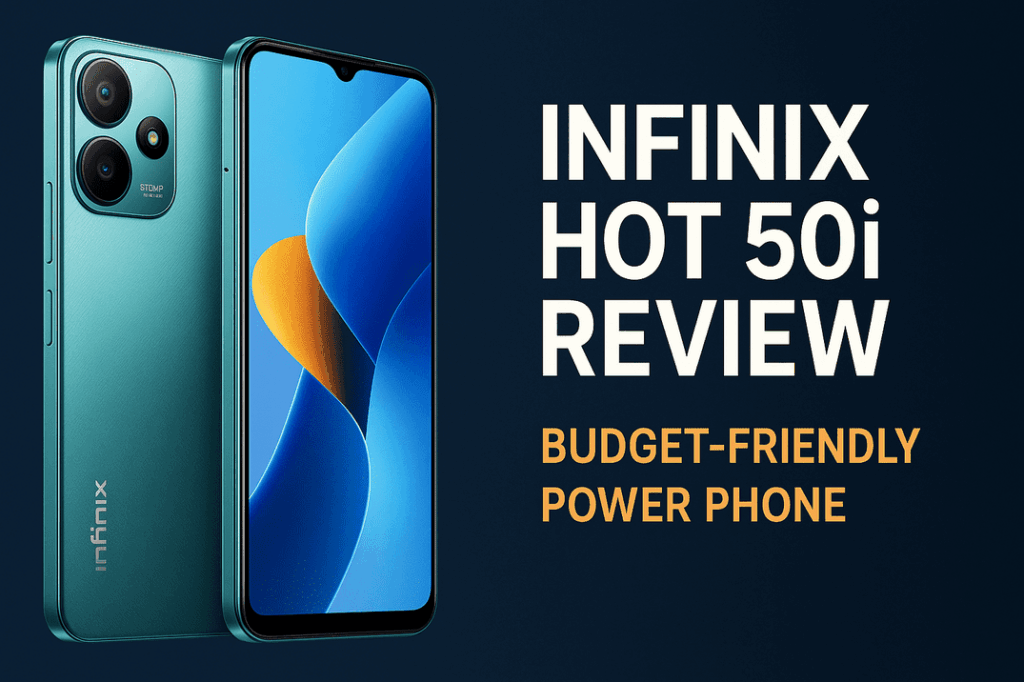
- Infinix Hot Series (Top-End Models): The higher-spec variants in Infinix’s Hot series often offer a compelling combination of large displays, decent performance, and stylish designs at very competitive prices. Keep an eye out for models with larger RAM and storage configurations.
Why these are great for students: These phones prioritize affordability without sacrificing essential features like battery life, a decent camera for capturing notes and memories, and sufficient performance for student tasks. Their widespread availability in Nigeria also makes them easily accessible.
2. The Balanced Performers (Great All-Round Experience)
These phones offer a step up in performance, camera quality, and overall refinement while still remaining relatively affordable.
- Samsung Galaxy A Series (e.g., Galaxy A36): Samsung’s Galaxy A series strikes an excellent balance between features, performance, and price. You can expect a vibrant Super AMOLED display, a capable camera system, smooth performance for multitasking, and a reliable battery. Samsung’s commitment to software updates is also a significant advantage.
- Realme Number Series (e.g., Realme 13): Realme focuses on delivering stylish phones with smooth performance and fast charging at competitive prices. Their number series often features high-refresh-rate displays, capable processors, and quick charging capabilities, which are great for students on the go.
- Poco M Series (e.g., Poco M7 Pro): Another sub-brand from Xiaomi, Poco’s M series focuses on delivering strong performance for its price segment. These phones often boast powerful processors and large batteries, making them great for gaming and extended use.
Why these are great for students: These phones offer a more premium experience than the budget champions, with better cameras for capturing higher-quality photos and videos, smoother performance for more demanding apps and games, and often more refined designs.
3. The Photography Focused (Capturing Campus Life in Style)
For students who prioritize mobile photography and videography for social media or personal projects.
- Google Pixel a Series (e.g., Pixel 8a): While slightly more expensive, the Google Pixel a series offers a flagship-level camera experience at a more accessible price. Its computational photography capabilities are renowned, delivering exceptional image quality, especially in challenging lighting conditions. The clean Android experience and timely updates are also significant benefits.
- Xiaomi Mi Series (Older Generations): If you can find slightly older but well-maintained models from Xiaomi’s Mi series (e.g., Mi 12, Mi 13), they often offer excellent camera hardware and software at a reduced price compared to the latest flagships.
- Select Tecno Camon or Infinix Zero Models: Some higher-end models within the Tecno Camon and Infinix Zero series boast impressive camera specifications and features that can rival more expensive phones. Research specific models for their camera capabilities.
Why these are great for students: These phones excel in capturing high-quality photos and videos, allowing students to document their university experience with impressive clarity and detail. The computational photography on Pixel phones is particularly forgiving and produces great results even for beginners.
Key Features to Look For:
- Processor: For smooth multitasking and handling student apps, look for a Snapdragon 600/700 series or a MediaTek Helio G80/Dimensity 700 series or higher.
- RAM: Aim for at least 4GB of RAM for smooth multitasking, 6GB or 8GB is recommended for a better experience.
- Storage: 128GB should be the minimum, but 256GB offers more breathing room for apps, media, and study materials. Consider if the phone has a microSD card slot for expandable storage.
- Display: A Full HD+ resolution display will provide a sharp and clear viewing experience for reading and media consumption. Consider the size that best suits your needs and portability.
- Battery: A 5000mAh battery is ideal for all-day use. Look for phones that support fast charging for quick top-ups between classes.
- Camera: Check the main camera’s megapixel count (12MP or higher is good), aperture (lower f-number for better low-light performance), and if it offers features like OIS (Optical Image Stabilization). Also consider the front-facing camera quality for video calls.
- Operating System: Android is the dominant operating system, offering a wide range of apps and customization options. Consider the manufacturer’s skin and if it’s user-friendly and doesn’t include excessive bloatware. Check for the brand’s track record on software updates.
Where to Buy Smartphones in Nigeria:
- Official Brand Stores: Many brands like Samsung, Tecno, Infinix, and Xiaomi have official stores or authorized dealers across major cities in Nigeria, offering genuine products and warranties.
- Online Marketplaces: Popular e-commerce platforms like Jumia and Konga offer a wide selection of smartphones from various brands, often with competitive prices.
- Mobile Phone Retail Outlets: Numerous independent mobile phone retailers can be found in markets and shopping malls across Nigeria. Ensure you purchase from reputable sellers.
- Carrier Stores: Mobile network providers like MTN and Airtel sometimes offer smartphone deals and financing options.
Final Thoughts:
Choosing the best smartphone for your student life in 2025 doesn’t have to be a stressful endeavor. By understanding your priorities, setting a budget, and considering the key features outlined in this guide, you can find a device that perfectly complements your academic pursuits and social experiences. The smartphones highlighted here represent some of the top contenders that offer exceptional value for money, empowering you to stay connected, productive, and entertained throughout your university journey in Nigeria. Remember to do your research, compare specifications, read reviews, and choose the phone that best fits your individual needs and budget. Happy studying (and snapping)!