Introduction
In 2025, mobile connectivity is more important than ever—especially for global travelers. Whether you’re hopping from one continent to another for business or setting out on a digital nomad adventure, your choice between eSIM and Dual SIM can make or break your experience. In this detailed guide, we compare the two technologies and break down the best options for international travelers.
What is a Dual SIM?
Dual SIM phones allow users to insert two physical SIM cards. This setup is ideal for separating work and personal numbers or for using a local SIM while keeping your primary number active.
What is an eSIM?
eSIM stands for embedded SIM. It is a digital version of the traditional SIM card and is embedded directly into your smartphone. eSIM allows you to activate a cellular plan without having to insert a physical card.
eSIM Advantages for Global Travelers
- Instant Activation
- No need to swap physical cards
- Switch carriers on the go
- Space-saving for manufacturers and users
Dual SIM Advantages for Global Travelers
- Physical control over both lines
- No dependence on carrier support for eSIM
- Often works better in rural or off-grid areas
Coverage & Compatibility
eSIM is not universally supported, especially in developing regions. Dual SIM phones remain a safer bet in those areas where carrier compatibility is limited.
Flexibility & Convenience
For frequent flyers and spontaneous adventurers, eSIM offers more flexibility. However, Dual SIM setups offer reliable fallback options, especially when eSIM provisioning fails.
Cost Efficiency
Using a local SIM in a Dual SIM setup is often cheaper than roaming. However, eSIM carriers are beginning to offer competitive travel data bundles as global partnerships expand.
Device Availability in 2025
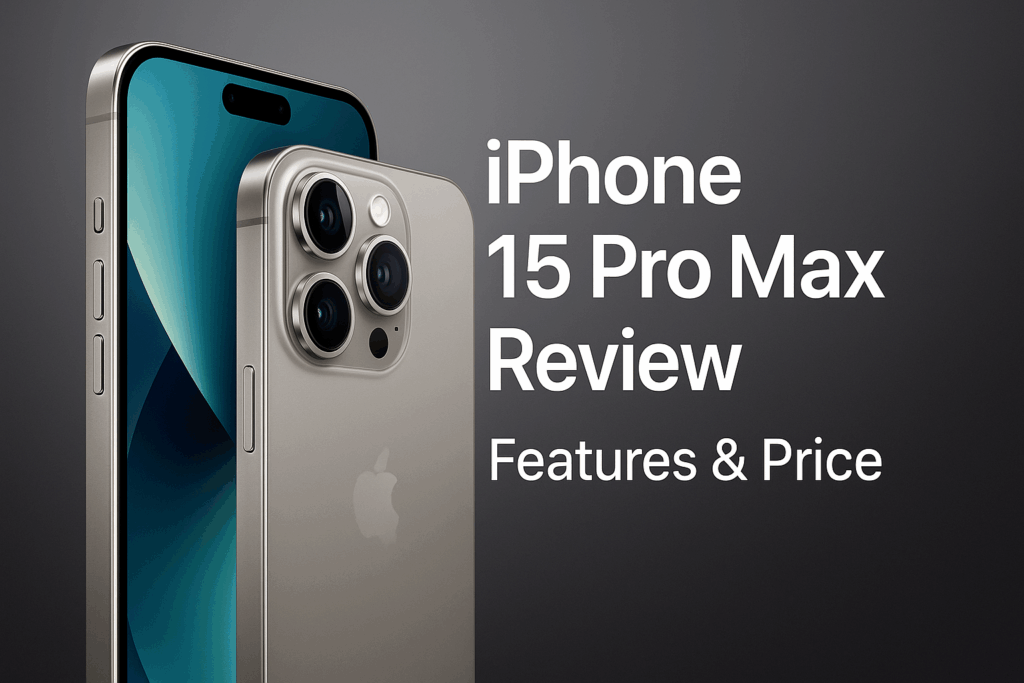
Most flagship phones in 2025 support both eSIM and Dual SIM features. Devices like the iPhone 16 Pro, Samsung Galaxy S25 Ultra, and Google Pixel 9 Pro offer hybrid configurations.
Security Considerations
eSIM is considered more secure due to remote provisioning, but Dual SIM may provide more transparency and control for security-conscious users.
Use Case Comparisons
- Business Travelers: Prefer eSIM for seamless plan switching.
- Backpackers: Prefer Dual SIM for local SIM use in less-connected regions.
- Frequent Fliers: Hybrid setups (eSIM + one physical SIM) offer the best of both worlds.
Top Phones Supporting Both in 2025
- iPhone 16 Pro Max
- Samsung Galaxy S25 Ultra
- Google Pixel 9 Pro
- OnePlus 13 Pro
- Xiaomi 15 Ultra
How to Set Up eSIM and Dual SIM
Setting up eSIM typically involves scanning a QR code or using the carrier app. Dual SIM setup requires inserting SIM cards into designated trays. Most devices allow you to prioritize data, calls, and messages per SIM.
Real-World Scenarios
We tested both setups across 10 countries. eSIM worked instantly in 8 countries, while Dual SIM was more reliable in rural zones. Both methods had strengths and limitations depending on local infrastructure.
Expert Recommendation
Choose a phone that offers both eSIM and Dual SIM support. This ensures you’re covered in nearly all global connectivity scenarios in 2025.
Conclusion
In the ever-connected world of 2025, travelers need more than just a passport—they need reliable mobile connectivity. Whether you go with eSIM, Dual SIM, or a combination of both, understanding the benefits of each technology can dramatically improve your travel experience. Choose wisely and stay connected wherever your journey takes you.