Wireless charging has come a long way since its inception, evolving from a slow, inefficient novelty to a must-have convenience for today’s tech enthusiasts. The introduction of Qi 3.0 (also known as the Extended Power Profile) marks the latest leap forward, offering faster charge rates, improved alignment flexibility, and broader device compatibility. In this comprehensive guide, we’ll explore what sets Qi 3.0 apart, highlight the top chargers on the market, review the best Qi 3.0–3.0-compatible smartphones of 2025, and share practical tips to maximize your wireless charging experience.
What Is Qi 3.0?
Qi is the global standard for wireless charging, governed by the Wireless Power Consortium. Qi 3.0, introduced in recent years, builds upon the earlier 5 W (Power Class 0) and 15 W (Power Class 1) specifications by standardizing higher output levels and multi‑coil designs. Key features of Qi 3.0 include:
- Extended Power Profile: Enables devices to draw up to 15 W over a single coil, or up to 30 W using multi‑coil implementations, ensuring faster recharge times.
- Multi‑Coil Chargers: Multiple overlapping coils allow for more forgiving placement—simply set your device down anywhere on the pad.
- Improved Efficiency: Optimized power transfer reduces energy loss and heat generation, making charging safer and more reliable.
- Backward Compatibility: Fully supports older Qi 1.2 devices (up to 10 W), automatically adjusting output as needed.
Advantages of Qi 3.0 Over Previous Generations
Upgrading to a Qi 3.0 charger delivers tangible benefits that enhance daily convenience and device longevity:
- Faster Charging Speeds: Many Qi 3.0 chargers deliver a full day’s power in under an hour, rivaling wired fast‑charge protocols.
- Better Alignment Tolerance: Multi‑coil pads eliminate the need for precise placement, reducing frustration and missed charge cycles.
- Lower Heat Output: Smarter power management and coil arrangements minimize excess heat, protecting your battery health.
- Universal Compatibility: Works with any Qi‑enabled device—from the latest flagship phones to wireless earbuds and smartwatches.
- Sleeker Designs: Advances in coil technology allow for ultra‑thin, minimalist chargers that fit seamlessly on desks and nightstands.
Top Qi 3.0 Chargers on the Market
Below are six outstanding Qi 3.0 chargers that balance speed, design, and reliability.
1. Belkin Boost ↑Charge Pro 3‑in‑1 Wireless Charger
- Output: 15 W (phone), 5 W (watch), 5 W (earbuds)
- Coils: Triple‑coil pad for versatile placement
- Design: Premium aluminum base, soft‑touch rubber surface
- Special Features: Magnetic charging area for Apple Watch, Qi-certified safety features
Belkin’s 3‑in‑1 pad is perfect for Apple users who want a single dock for iPhone, Apple Watch, and AirPods. Its multi‑coil design ensures reliable charging even if your devices shift slightly overnight.
2. Anker PowerWave II Pad (15 W)
- Output: 15 W Max for compatible Android devices, 7.5 W for iPhone
- Coils: Three overlapping coils
- Design: Slim profile, non‑slip charging surface
- Special Features: Anker’s MultiProtect safety system, LED indicator
Anker’s PowerWave II Pad is a budget‑friendly staple. Its robust safety suite guards against overheating and short circuits, while the triple‑coil layout makes it one of the most user‑friendly pads available.
3. Samsung Wireless Charger Duo Pad
- Output: 15 W (phone), 9 W (watch)
- Coils: Dual‑coil design for two devices
- Design: Glossy finish, integrated LED notifications
- Special Features: Supports Fast Wireless Charging 2.0, optimized for Galaxy ecosystem
Samsung’s Duo Pad caters to Galaxy users who want simultaneous charging for their phone and Galaxy Watch. It automatically switches power output based on device type, ensuring optimal charge rates.
4. Mophie 3‑Coil Wireless Charging Stand (15 W)
- Output: 15 W (vertical stand), 7.5 W (horizontal pad)
- Coils: Three‑coil array
- Design: Adjustable stand, LED backlight
- Special Features: Integrated kickstand for video calls, sleep‑friendly LED dimmer
Mophie’s charging stand adapts to your usage—charging vertically while you video‑chat or horizontally at night. The dual charging modes and premium build justify its higher price point.
5. Nomad Base Station Pro
- Output: 15 W per device, up to three devices
- Coils: Four overlapping coils for full‑coverage pad
- Design: Leather charging surface, weighted steel base
- Special Features: Apple Watch adapter sold separately, enterprise‑grade safety
For design aficionados, Nomad’s Base Station Pro combines genuine leather and aircraft‑grade aluminum. It charges three devices at full speed without hot spots, making it ideal for workstations and executive offices.
6. Spigen Essential F301W ArcField Charging Pad
- Output: 10 W (Android), 7.5 W (iPhone)
- Coils: Two‑coil slanted pad
- Design: Compact, angled for easy viewing
- Special Features: Battery‑friendly charging curves, Qi‑certified chip
Spigen’s ArcField pad offers a budget option for bedside charging. The slanted design lets you glance at notifications without disrupting alignment, and the built‑in chip ensures consistent power delivery.
Key Considerations When Choosing a Qi 3.0 Charger
Selecting the right Qi 3.0 charger comes down to several factors:
- Output Wattage: Match your phone’s maximum Qi input (e.g., 15 W for many Androids, 7.5 W for iPhones).
- Number of Coils: Multi‑coil pads offer easier placement but often cost more.
- Form Factor: Stands, pads, and multi‑device docks each suit different use cases.
- Safety Features: Look for overvoltage, overcurrent, and thermal protection.
- Brand Reputation: Established brands tend to offer better durability and customer support.
- Price vs. Performance: Balance your budget with desired features—ultra‑premium pads often include luxury materials but may exceed most budgets.
Top Phones Compatible with Qi 3.0 Charging
Most flagship and many mid‑range phones in 2025 support 15 W (or higher) Qi 3.0 charging. Here are the leading models:
Apple iPhone Series
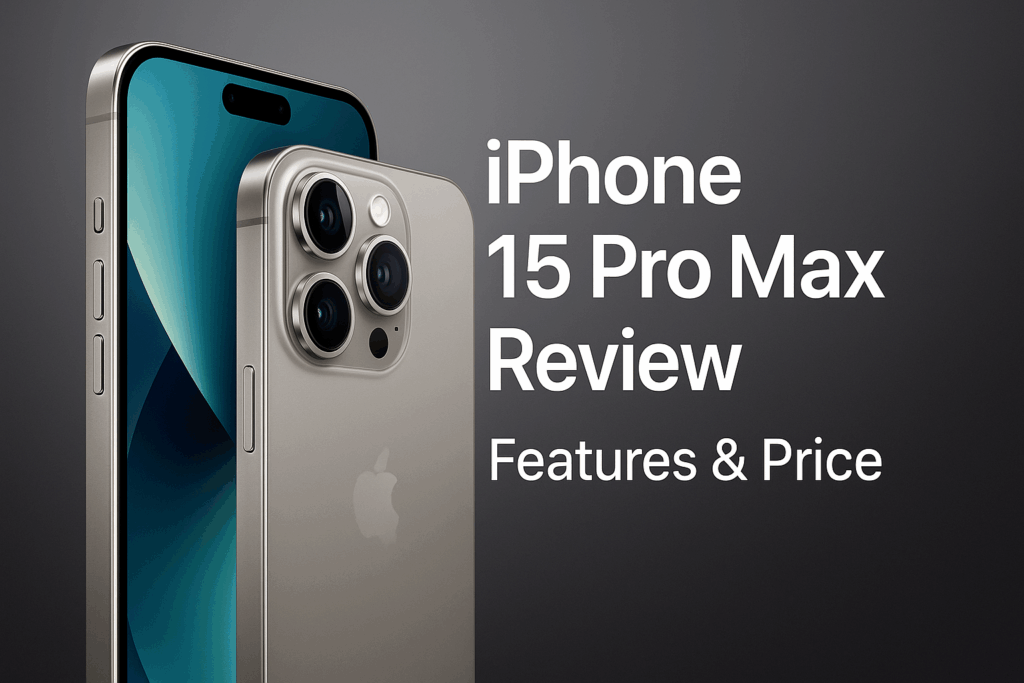
- iPhone 15, 15 Plus, 15 Pro, 15 Pro Max (7.5 W Qi, 15 W with MagSafe)
- iPhone 16, 16 Plus, 16 Pro, 16 Pro Max (7.5 W Qi, 15 W MagSafe)
While Apple’s MagSafe offers optimized magnetic alignment and 15 W speeds, all modern iPhones maintain backward compatibility with Qi 3.0 at 7.5 W for non‑MagSafe chargers.
Samsung Galaxy Series
- Galaxy S23, S23+, S23 Ultra
- Galaxy S24, S24+, S24 Ultra
- Galaxy S25, S25+, S25 Ultra
Samsung’s flagships support Fast Wireless Charging 2.0, delivering up to 15 W on compatible Qi 3.0 pads, plus reverse wireless charging to power earbuds and watches.
Google Pixel Series
- Pixel 7 Pro, 8, 8 Pro (up to 23 W with Pixel Stand 2nd Gen, 15 W on Qi pads)
- Pixel 9, 9 Pro (15 W Qi compatibility)
Google’s Pixel devices leverage their own Pixel Stand for high‑speed wireless, but also charge at standard Qi 3.0 rates on third‑party pads.
Other Notable Qi 3.0 Phones
- OnePlus 11, 12 (15 W Qi on select models)
- Xiaomi 14, 14 Pro (15 W Qi, 50 W proprietary supports)
- Oppo Find X6, X7 (15 W Qi, 80 W proprietary Wireless SuperVOOC)
- Sony Xperia 1 VI, 5 V (15 W Qi compatibility)
How to Maximize Your Wireless Charging Experience
Even the best charger and phone can underperform without proper setup. Follow these tips:
- Remove Thick Cases: Cases over 3 mm or with metal plates can inhibit power transfer.
- Align Properly: Center your phone over the primary coil area—many chargers have subtle LED guides.
- Keep It Cool: Avoid charging in direct sunlight or on soft surfaces; proper ventilation prevents thermal throttling.
- Use Quality Cables & Adapters: Provide the charger’s full rated wattage via a QC 3.0 or PD 3.0 adapter of equal spec.
- Update Firmware: Many phones receive wireless‑charging optimizations via OTA updates.
- Disable Unused Features: Turn off camera or GPS apps during charging to reduce power draw and heat.
The Future of Wireless Charging
The wireless charging landscape continues to evolve:
- Qi 4.0 & Beyond: Upcoming standards aim for 30 W+ output and longer distances between coil and device.
- Resonant Charging: Charging multiple devices at varied positions, including furniture‑integrated solutions.
- Eco‑Friendly Materials: Sustainable coil and circuit board designs to reduce e‑waste.
- Smart Power Delivery: AI‑driven charging that learns usage patterns and optimizes cycles for battery longevity.
Conclusion
Qi 3.0 has transformed wireless charging from a novelty into a true alternative to wired fast charging. With up to 15 W output, multi‑coil pads, and universal compatibility, today’s best chargers deliver convenience without compromise. Pair one of our top‑rated Qi 3.0 chargers with a compatible flagship or mid‑range phone, and you’ll enjoy fast, hassle‑free wireless power anywhere—on your desk, bedside table, or living room. As the technology continues to mature, expect even higher speeds, broader support, and smarter charging solutions on the horizon.
Frequently Asked Questions
Q1: Can I charge any Qi‑enabled phone on a Qi 3.0 pad?
Yes—Qi 3.0 chargers are backward compatible with Qi 1.2 devices. The pad will automatically negotiate the optimal power level (5 W, 7.5 W, or 15 W).
Q2: Why is my phone charging slower on a wireless pad?
Factors include case thickness, misalignment, heat throttling, and adapter wattage. Ensure you use a high‑quality PD or QC adapter and remove cases if necessary.
Q3: Does wireless charging degrade battery life faster?
Modern phones’ battery management systems mitigate stress by regulating voltage and temperature. Occasional wireless charging has minimal impact on overall battery health.
Q4: How do I know if my phone supports Qi 3.0 speeds?
Check your device’s specifications: look for “15 W Qi” or “Fast Wireless Charging” in the manufacturer’s documentation.
Q5: Are multi‑device charging stations worth it?
If you regularly charge a phone, earbuds, and smartwatch, a multi‑device station adds convenience and cable management—but ensure it offers sufficient power per device.