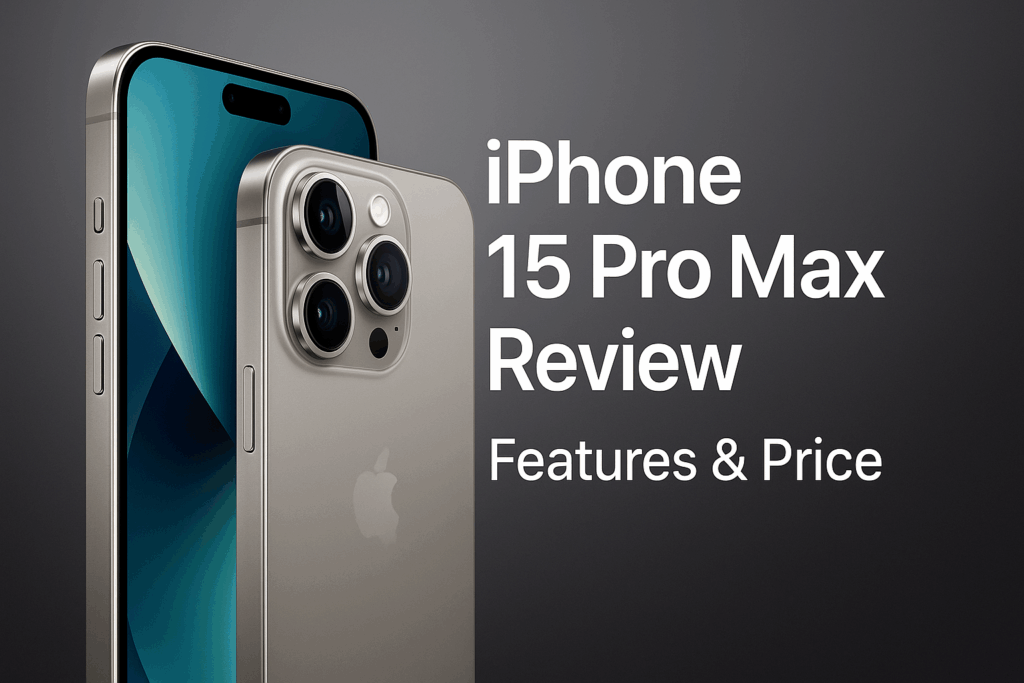
In the world of high technology, there are rivalries, and then there is the heavyweight championship bout that happens every year: Apple vs. Samsung. In the vibrant, tech-savvy, and status-conscious market of Lagos, this is more than just a consumer choice; it’s a declaration of allegiance. In one corner, we have the Apple iPhone 16 Pro Max, the long-reigning king of the iOS ecosystem, a symbol of refined power and creative prowess. In the other corner, the challenger and Android champion, the Samsung Galaxy S25 Ultra, a feature-packed powerhouse that pushes the boundaries of mobile capability. Both have been on the market for several months in August 2025, their initial hype settling into the reality of everyday use.
With price tags that soar well over the ₦2,000,000 mark, choosing between these two titans is a monumental investment for any Nigerian. The question isn’t simply “which phone is good?”—they are both magnificent pieces of technology. The real question is, which one is the *right* choice for you? Which device better serves the unique demands of a professional, creative, and social life in a city as dynamic as Lagos? We’ve spent months using both devices as our daily drivers, pushing them to their limits in real-world scenarios. This is the ultimate flagship showdown.
Round 1: Design and In-Hand Feel
A flagship phone must feel its price. It’s the first thing you notice, and it sets the tone for the entire experience. Both Apple and Samsung have perfected the art of premium construction, but they approach it with distinct philosophies.
iPhone 16 Pro Max: Understated Luxury
The iPhone 16 Pro Max continues Apple’s tradition of industrial, precise design. The titanium frame feels both incredibly strong and surprisingly light for its size. The flat edges, softened with a subtle contour, offer a secure grip. After months of use, the matte glass back has proven exceptionally resistant to fingerprints, a blessing in Lagos’s humid climate. There’s a density and solidity to the iPhone that feels like a well-crafted luxury watch. It doesn’t scream for attention with flashy elements; its statement is one of quiet, confident quality. The Ceramic Shield front glass has also proven its worth, warding off the minor scratches that inevitably come from sharing a pocket with keys.
Samsung Galaxy S25 Ultra: Unapologetic Power
If the iPhone is a luxury sedan, the S25 Ultra is a high-tech supercar. Its design is more aggressive and overtly technological. The sharp, squared-off corners create a monolithic, powerful silhouette. The massive camera array on the back is a bold declaration of its photographic intentions. The most significant design element, of course, is the integrated S Pen, nestled seamlessly into the frame. This isn’t just an aesthetic choice; it’s a functional one, signaling that this is a device built for productivity. The Armor Aluminum frame and Gorilla Glass Victus 3 construction feel equally robust and premium.
The Lagos Verdict: This round is a matter of pure taste. Both phones are impeccably built and feel every bit their premium price. The iPhone 16 Pro Max will appeal to those who prefer a minimalist, clean, and classic design. The Samsung Galaxy S25 Ultra will resonate with those who want their phone’s design to reflect its immense power and who value the unique functionality of the S Pen. It’s a draw.
Round 2: The Display Duel
Your phone’s screen is your window to the digital world. In this arena, both contenders are at the absolute peak of their game, but with subtle differences that matter.
iPhone 16 Pro Max: Perfect Calibration
Apple’s Super Retina XDR display with ProMotion is a masterpiece of colour science. Its greatest strength is its accuracy. Colours are rendered in a way that is incredibly true-to-life. For photo and video editing, this is a significant advantage. The 120Hz ProMotion (LTPO) technology is flawlessly smooth, making every scroll and swipe feel fluid while also being highly efficient on the battery.
Samsung Galaxy S25 Ultra: Dazzling Brightness
Samsung, as the world’s leading display manufacturer, reserves its very best panel for the S25 Ultra. The Dynamic AMOLED 2X screen is breathtaking. Its colours are more saturated and vibrant by default, creating a “wow” factor that is fantastic for media consumption. Its biggest advantage, however, is its peak brightness. At a rated 3000+ nits, it is the most legible screen under direct sunlight, period.
The Lagos Verdict: While both displays are phenomenal, the Samsung Galaxy S25 Ultra takes a narrow victory in this round. The iPhone’s colour accuracy is a boon for creative professionals, but the S25 Ultra’s superior peak brightness is a more universally practical advantage for everyday life in Nigeria. The ability to clearly see your screen under the intense midday sun without a struggle is a tangible benefit that all users will appreciate.
Round 3: The Ultimate Camera Showdown
This is the main event. Both phones have staked their reputations on their camera systems. We tested them across four key scenarios.
Daylight Photos: The philosophical divide is clear. The iPhone 16 Pro Max captures photos with a natural, true-to-life look. It excels at capturing subtle textures and accurate skin tones. The Galaxy S25 Ultra produces brighter, more vibrant, and more saturated images. They are instantly “Instagram-ready.” For capturing the brilliant colours of an Ankara fabric or a vibrant market scene, the Samsung often produces a more immediately pleasing shot. For a more classic, timeless portrait, the iPhone excels.
Low-Light Photos: The gap has narrowed significantly. The iPhone 16 Pro Max uses its larger sensor and Photonic Engine to capture the *mood* of a low-light scene beautifully, preserving shadows and creating a natural look. The S25 Ultra uses its massive 200MP sensor and aggressive AI processing to pull in an astonishing amount of light, often making a dark scene look much brighter than it is in reality. Samsung reveals more detail, but the iPhone often captures a more authentic feeling.
The Zoom Factor: This is not a competition. The Samsung Galaxy S25 Ultra is the undisputed champion of zoom. Its 10x optical periscope lens is in a different league to the iPhone’s 5x optical zoom. For capturing details from a distance—a ship on the horizon at Elegushi Beach, a performer on stage at a concert, or architectural details—the S25 Ultra provides a level of versatility that the iPhone simply cannot touch. This is Samsung’s killer feature.
Video Recording: The tables turn completely when it comes to video. The iPhone 16 Pro Max is the king of mobile videography. Its 4K video is consistently smoother, more stable, and has better colour science and dynamic range. Features like Cinematic Mode and ProRes video provide creative tools that are more mature and polished than Samsung’s offerings. For any content creator, vlogger, or filmmaker in Lagos, the iPhone remains the superior and more reliable tool for moving pictures.
The Lagos Verdict: This round is a split decision. For the ultimate in photographic versatility and the sheer power of its zoom lens, the **Samsung Galaxy S25 Ultra** is the winner. For anyone who prioritizes video quality and a more natural approach to still photography, the **Apple iPhone 16 Pro Max** is the champion.
Round 4: Battery, Performance, and Ecosystem
Both phones are powered by the most advanced chips of their generation—the A18 Pro for Apple and the Snapdragon 8 Gen 4 for Samsung. In day-to-day use, both are absurdly fast. Apps open instantly, and the UIs are fluid. The iPhone feels a hair more consistently smooth due to its vertical integration, while the Samsung is a multitasking monster, especially with DeX mode. For 99% of users, performance is a tie.
Battery life is also incredibly close. Both are solid all-day phones, but neither is a two-day champion for a power user navigating Lagos’s challenging network conditions and relying on mobile data. Samsung wins on charging speed, but the difference is not as dramatic as it is with other Android brands.
This brings us to the final, and perhaps most important, deciding factor: the ecosystem and special features. This is where you truly choose your path.
- The Samsung Path: The Galaxy S25 Ultra’s secret weapon is the S Pen. For the professional in Nigeria, it’s a productivity game-changer—for signing documents, taking precise notes, or sketching ideas. Combined with the power of DeX and the open, customizable nature of Android, the S25 Ultra is a tool of immense flexibility.
- The Apple Path: The iPhone 16 Pro Max’s secret weapon is the seamless, secure, and incredibly polished iOS ecosystem. The way it works with an Apple Watch, AirPods, and a MacBook is a form of technological magic. Features like iMessage, FaceTime, and AirDrop are so deeply integrated and reliable that for users invested in this ecosystem, leaving it feels almost impossible.
Conclusion: Crowning the 2025 Flagship King for Nigeria
After a grueling, months-long showdown, there is no single knockout punch. The iPhone 16 Pro Max and the Samsung Galaxy S25 Ultra are two of the finest smartphones ever made, each catering to a different definition of “the best.”
The **Samsung Galaxy S25 Ultra** is the king of versatility and features. If you are a productivity powerhouse who would benefit from the S Pen, or a photography enthusiast who craves the creative freedom of an incredible zoom lens, the S25 Ultra is the more powerful and flexible tool. It is a phone that says “yes, you can do that.”
The **Apple iPhone 16 Pro Max** is the king of refined consistency and creative media. If you are a content creator who demands the best mobile video, a user who values the seamless and secure integration of the Apple ecosystem, or someone who simply wants a device that works with unerring, polished perfection, the iPhone 16 Pro Max is the more elegant and reliable partner.
Ultimately, the choice in 2025 is less about specs and more about philosophy. Which digital ecosystem best complements your personal and professional life in the unique, demanding, and vibrant environment of Nigeria? The answer to that question will reveal your true flagship champion.