In the bustling, dynamic environment of Lagos, Nigeria, our smartphones are more than just communication tools; they are essential companions that help us navigate the complexities of daily life. From dodging traffic with real-time navigation to capturing the vibrant street scenes with intelligent cameras, the underlying force powering many of these capabilities is Artificial Intelligence (AI). In 2025, AI is no longer a futuristic concept; it’s deeply embedded in the fabric of our smartphone experience, making our devices smarter, more intuitive, and more personalized. But which smartphones in the Nigerian market are truly harnessing the power of AI to deliver the best user experience? Let’s delve into the rise of AI in smartphones and explore the devices that are leading the charge.
The AI Revolution in Your Pocket: What Can It Do?
AI in smartphones manifests in a multitude of ways, often working seamlessly in the background to enhance our interactions. Here are some key areas where AI is making a significant impact:
- Photography: AI scene detection optimizes camera settings for different environments (e.g., food, portraits, landscapes). AI-powered computational photography enhances low-light performance, improves zoom quality, and creates realistic bokeh effects in portrait mode. Features like Magic Eraser (on Pixel) can intelligently remove unwanted objects from photos – incredibly useful for those unexpected photobombers in busy Lagos markets.
- Performance and Battery Management: AI algorithms learn your usage patterns to optimize CPU and GPU performance, ensuring smooth operation while conserving battery life. This is particularly valuable in a context like Lagos where power outages are common, and maximizing battery endurance is crucial.
- Personal Assistants: AI powers virtual assistants like Google Assistant and Siri, enabling voice commands for tasks such as making calls, setting reminders, playing music, and getting information – helpful when you’re stuck in traffic on the Third Mainland Bridge.
- Language and Translation: Real-time translation features break down language barriers, useful in a diverse city like Lagos or when communicating with people from different parts of Nigeria. AI also enhances keyboard predictions and autocorrect.
- Security and Biometrics: AI algorithms improve the accuracy and security of facial recognition and fingerprint scanning, providing a seamless way to unlock your device and protect your data.
- Customization and Personalization: AI learns your preferences over time to tailor recommendations for apps, news, and even settings, making your phone feel uniquely yours.
The AI Powerhouses: Which Smartphones Lead the Way?
While many smartphones incorporate AI to some extent, certain manufacturers have made it a central focus, integrating powerful Neural Processing Units (NPUs) and developing sophisticated AI algorithms. Here are some of the top contenders in the Nigerian market that excel in leveraging AI in 2025:
1. Google Pixel 9 Pro: The AI-Driven Camera and Beyond
Google’s Pixel series has consistently been at the forefront of AI in smartphones, and the Pixel 9 Pro continues this tradition. Powered by the latest generation of Google’s Tensor G4 chip, the Pixel 9 Pro boasts a dedicated NPU that significantly enhances its camera capabilities. Features like Magic Eraser, Photo Unblur, and Best Take are prime examples of AI-driven tools that deliver impressive results, allowing users to fix imperfections and capture the best possible photos effortlessly. Beyond photography, AI on the Pixel 9 Pro enhances voice typing accuracy (especially useful for composing messages in busy environments), provides intelligent call screening to filter out spam (a common issue), and offers contextual awareness through features like Now Playing (automatically identifying music playing around you). The tight integration of hardware and Google’s advanced AI algorithms makes the Pixel 9 Pro a top choice for those who value intelligent features and a seamless, AI-enhanced user experience.
Why it excels in AI: Powerful Tensor G4 chip with dedicated NPU, industry-leading computational photography features, intelligent call screening, accurate voice typing, and proactive contextual awareness.
2. Samsung Galaxy S25 Ultra: AI for Performance and Creativity
Samsung’s flagship Galaxy S series has also embraced AI in a big way. The Galaxy S25 Ultra, powered by the Snapdragon 8 Gen 4 or Exynos equivalent with a boosted NPU, offers a range of AI-powered features designed to enhance both performance and creativity. Intelligent Performance Management learns your usage patterns to optimize battery life and app loading speeds. The camera app utilizes AI scene optimization to automatically adjust settings for the best possible results, and features like Single Take leverage AI to capture multiple photos and videos simultaneously, suggesting the best options. Additionally, Samsung’s Bixby assistant has become more intelligent over time, offering improved voice control and personalized recommendations. The integration of AI across various aspects of the Galaxy S25 Ultra makes it a powerful and intuitive device.
Why it excels in AI: Powerful processors with enhanced NPUs, intelligent performance and battery management, AI-powered camera scene optimization and Single Take, and an evolving Bixby assistant.
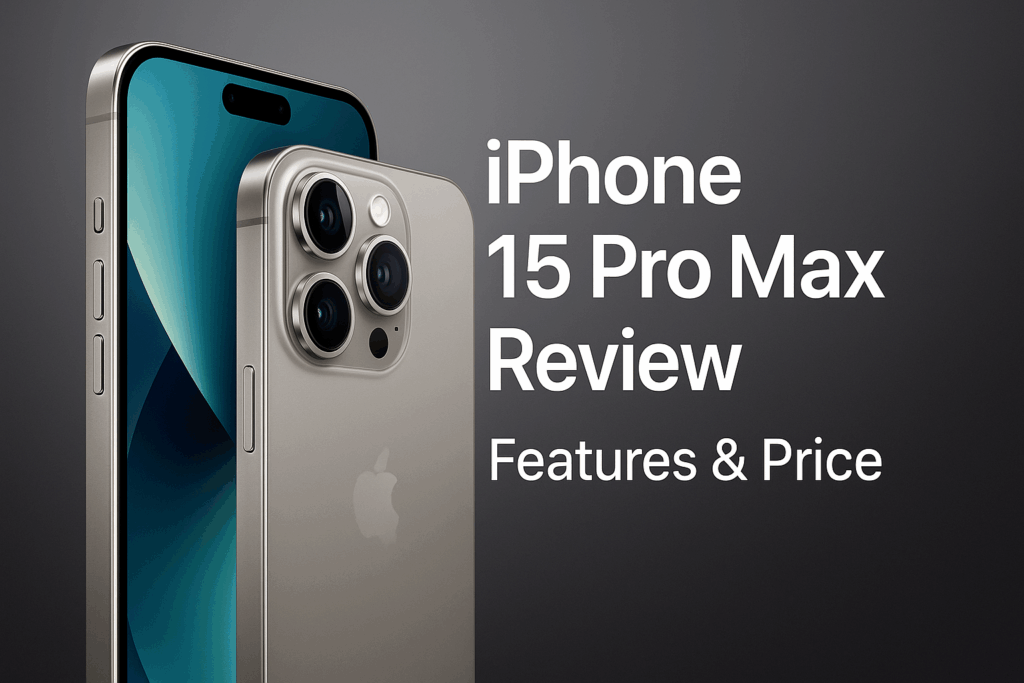
3. Apple iPhone 16 Pro/Pro Max: Seamless AI Integration
Apple’s approach to AI, while often less explicitly marketed than its Android counterparts, is deeply integrated into the iOS ecosystem and the A18 Bionic chip. The Neural Engine within the A18 Bionic powers a wide range of AI and machine learning tasks, from advanced image processing (like Photonic Engine and Cinematic mode) to on-device Siri intelligence and enhanced Face ID recognition. While Apple might not always highlight specific “AI features” in the same way, the seamless and efficient way its devices handle complex tasks like image analysis, natural language processing (in Siri), and personalized experiences demonstrates the power of its integrated AI capabilities. The focus is on a smooth and intuitive user experience, with AI working quietly behind the scenes to make everything better.
Why it excels in AI: Powerful A18 Bionic chip with a dedicated Neural Engine, seamless integration of AI across iOS for features like image processing, Siri intelligence, and Face ID, and a focus on user experience.
4. Xiaomi 15 Pro: AI for Imaging and Efficiency
Xiaomi has been rapidly advancing its AI capabilities in recent years, and the Xiaomi 15 Pro showcases these advancements. Its high-resolution camera system benefits from AI scene detection and intelligent image processing, resulting in vibrant and detailed photos. Features like AI portrait mode and AI beautification enhance your shots. Beyond the camera, AI algorithms contribute to efficient battery management and smooth performance. While Xiaomi’s approach might be more feature-driven, with explicit AI modes and enhancements, the underlying technology is becoming increasingly sophisticated, aiming to provide a competitive AI experience to its users.
Why it excels in AI: AI-enhanced camera features, including scene detection and portrait mode, intelligent battery management, and a growing focus on AI-powered user experience enhancements.
The Future of AI in Smartphones
As AI technology continues to evolve, we can expect even more sophisticated and integrated AI features in our smartphones. On-device AI processing will become more powerful, allowing for faster and more private execution of AI tasks without relying on cloud connectivity. We may see advancements in personalized health monitoring, more intuitive virtual assistants, and even more creative and powerful AI-driven tools for photography and videography. The rise of AI is fundamentally changing how we interact with our smartphones, making them increasingly intelligent and indispensable companions.
Conclusion: Embracing the Intelligent Revolution
In 2025, AI is no longer a niche feature; it’s a core component of the modern smartphone experience. The devices highlighted above represent the best examples of how AI can enhance photography, performance, convenience, and personalization. For smartphone buyers in Nigeria, understanding the AI capabilities of a device is crucial for making an informed decision and choosing a phone that will not only meet their needs today but also continue to get smarter and more helpful over time. The rise of AI in smartphones is an exciting journey, and the devices that do it best are paving the way for a more intelligent and intuitive mobile future.